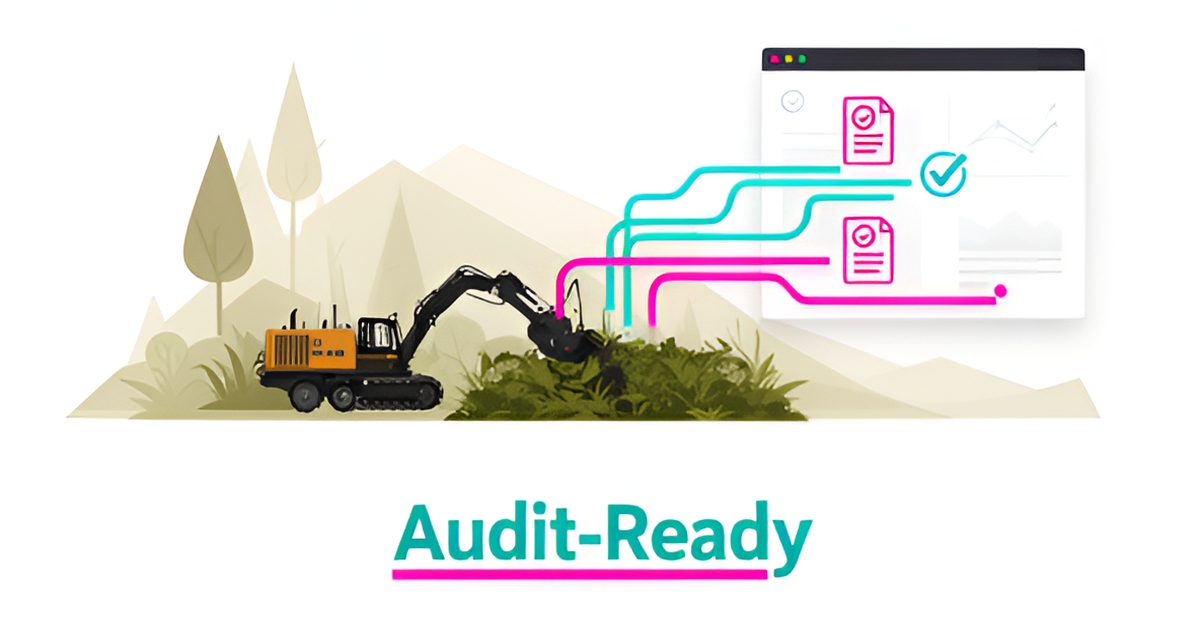
How AI Can Improve Reporting and Compliance for Mulching Businesses
Key Facts
- Automated compliance reporting is typically far more accurate than manual data entry, which is prone to transcription errors and missed fields
- AI-driven compliance workflows can process reporting workloads in hours rather than the weeks manual compilation often requires
- Real-time monitoring with AI enables proactive issue resolution by detecting compliance risks as they occur
- AI automation reduces human intervention in compliance reporting, lowering long-term costs while increasing process efficiency
- Adaptive learning models in AI-powered compliance tools evolve with changing regulations to maintain long-term compliance capabilities
- AI-driven audit trails enhance transparency and traceability, supporting governance efforts and building trust with regulators
Hire a team member that works 24/7 — for less than a part-time wage.
AI receptionists, SDRs, dispatchers and 99+ roles. Trained on your business, fully managed.
Not sure where to start? Ask our AI planner
The Compliance Burden: Why Manual Reporting Fails Mulching Operations
Mulching businesses face mounting pressure from environmental regulations, waste tracking mandates, and frequent audit requirements that demand precise, auditable reporting. Manual processes for these compliance tasks are inherently slow and error-prone, creating significant operational risks. Hand-keyed logs and transcribed field notes leave plenty of room for the kind of mistakes that trigger fines or penalties.
Processing speed is another critical weakness—manual reporting often takes weeks to compile and validate data, while AI-driven systems can handle the same workload in hours. This delay not only slows decision-making but increases the likelihood of non-compliance going undetected until it's too late to correct. AI systems, by contrast, can detect inconsistencies and potential compliance risks as data arrives, improving data integrity and enabling proactive issue resolution before small problems escalate.
- Manual methods struggle with scalability as regulatory complexity grows, limiting their effectiveness for expanding mulching operations.
- AI automation reduces human intervention, lowering long-term costs while increasing process efficiency for compliance reporting.
- Detailed audit trails from AI systems enhance transparency and traceability, supporting governance efforts and building trust with regulators.
These limitations force mulching businesses into a reactive compliance stance, where errors are discovered only during audits rather than prevented beforehand. AIQ Labs addresses this gap through AI Workflow Builds that rebuild the reporting workflow costing you the most—automating compliance logs, generating field reports, and tracking environmental standards so reporting stops being a burden and becomes a streamlined, reliable process. The result is fewer errors, faster turnaround, and the confidence that comes from knowing your compliance is always audit-ready.
How AI Automates Compliance: From Data Collection to Audit-Ready Reports
Compliance paperwork has long been the silent profit killer in mulching operations—hours lost to manual logs, missed deadlines, and the constant threat of fines. AI flips that equation by turning compliance from a reactive scramble into a continuous, automated process that runs in the background while crews focus on the job site.
The shift starts with data collection. Instead of technicians scribbling field notes that someone later transcribes, AI agents pull sensor readings, equipment telemetry, and crew inputs directly into a unified system. Automated ingestion and validation consistently outperform manual entry on accuracy, slashing the errors that trigger audits and penalties. Work that once took weeks of back-office effort can now resolve in hours, freeing entire teams from spreadsheet duty.
Real-time monitoring adds a second layer of protection. AI systems track Key Risk Indicators—soil disturbance thresholds, water runoff metrics, permit windows—and flag deviations the moment they occur. This proactive stance lets operators correct issues before they become violations, while natural-language-driven mandate interpretation keeps the system current as environmental rules evolve.
- Automated data ingestion from field sensors, GPS logs, and crew mobile inputs
- Continuous validation against permit limits and environmental standards
- Instant audit-ready reports with full traceability for regulators
- Predictive alerts that prevent non-compliance before it happens
The payoff is measurable: operations adopting AI-driven compliance typically see fewer incidents and reclaim significant administrative time each quarter. AIQ Labs builds these production-grade systems for forestry operations—200+ multi-agent systems deployed to date—embedding governance frameworks and audit trails that satisfy regulators without adding headcount. The result is compliance that runs itself: accurate, current, and always audit-ready.
Real-World Impact: AI-Driven Compliance in Forestry and Land Management
Forestry and land management teams are under growing pressure to prove compliance without adding headcount. AI-driven reporting is turning that pressure into a measurable advantage for operations that handle environmental standards daily.
Operations adopting AI for regulatory reporting typically see fewer compliance incidents compared with manual methods. The shift comes from faster processing and higher accuracy—automated approaches consistently outperform manual data entry, where transcription errors and missed fields are common.
Real-time monitoring changes how risk is managed in the field. AI enables continuous monitoring of regulatory compliance and Key Risk Indicators, allowing organizations to identify potential issues as they arise and take quick corrective actions. This proactive approach improves risk management and maintains standards by providing instant insights into compliance gaps.
Reporting speed also compresses dramatically. Manual compliance workflows typically take weeks, while AI-driven analysis completes the same workload in hours. Those speed gains pair with cost efficiency, as automation reduces ongoing labor demand.
Recent RegTech momentum reinforces these outcomes. AI-powered tools have streamlined data collection, tagging, and reporting processes, significantly reducing human intervention and the risk of errors. Adaptive learning models evolve with changing regulations, and natural language processing helps businesses decode complex mandates.
For mulching businesses, that translates into practical capabilities:
- Automated compliance logs from field equipment and site visits with validation before submission
- Real-time risk monitoring of environmental KRIs such as soil disturbance, waterway buffers, and material disposal
- Adaptive regulatory tracking for evolving disclosure and environmental reporting mandates
Regulatory direction is already moving toward automation. Regulators in North America and Europe continue to push machine-readable reporting formats and API-based filing systems, making automated, auditable data submission the new baseline rather than a nice-to-have.
AIQ Labs builds production-grade AI systems tailored to forestry operations—whether that's a single rebuilt reporting workflow or a full AI Operating System connecting field data, permits, and reporting in one layer you own outright. The result is accurate, auditable reporting that keeps operations compliant as standards evolve.
Still paying for 10+ subscriptions that don’t talk to each other?
We build custom AI systems you own outright. No vendor lock-in. Full control.
Not sure where to start? Ask our AI planner
Frequently Asked Questions
How accurate is manual compliance reporting for mulching businesses compared to AI?
How much faster can AI handle compliance reporting than doing it manually?
Can AI actually prevent violations before they happen?
What kind of reduction in compliance incidents can we expect with AI?
Is AI compliance reporting expensive to set up for a small mulching operation?
Will AI keep up as environmental regulations change?
From Compliance Burden to Competitive Advantage
The math is clear: manual compliance leaves mulching operations exposed to transcription errors, weeks of administrative lag, and a reactive posture that only catches violations after the damage is done. AI flips that equation—automated data ingestion, hour-level turnaround, and real-time risk monitoring that prevents incidents before they become fines. Operations making the shift typically report fewer compliance incidents while reclaiming significant staff time each quarter. The regulatory trajectory only reinforces the urgency: machine-readable mandates and API-based filing are making automated, auditable reporting the new baseline. For mulching businesses, the question isn't whether to automate—it's how fast you can deploy a system that handles field data ingestion, permit validation, and audit-ready output without adding headcount. AIQ Labs builds exactly that: automated compliance logs, real-time environmental KRI tracking, and adaptive regulatory intelligence that evolves with the rules. Start with the two-minute Fit Check to map your biggest compliance bottleneck, then book a free 30-minute strategy call to see what a tailored AI system could reclaim for your operation.
Make AI your competitive advantage — not just another tool.
Strategy, implementation and ongoing optimization. One partner, end to end.
Not sure where to start? Ask our AI planner