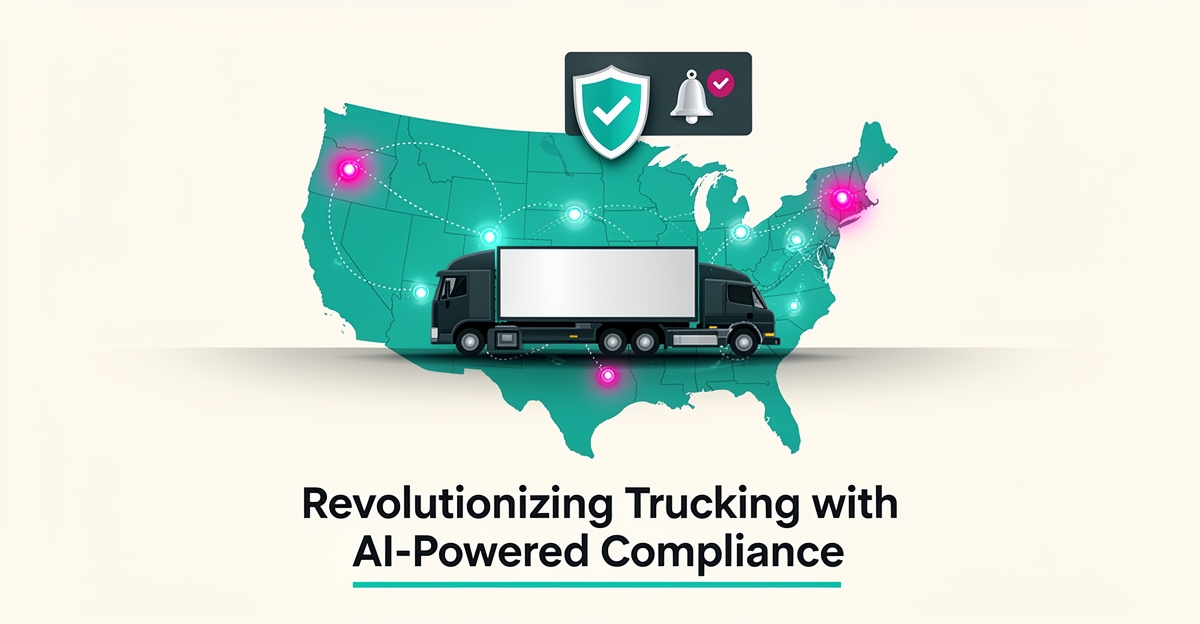
How AI Can Prevent Fines and Penalties in State-Specific Trucking Permits
Key Facts
- State permit rules vary by jurisdiction, with unique renewal cycles, fee structures, and enforcement practices that change frequently
- Permit violations typically trigger direct fines plus downtime costs from idled vehicles and delayed loads
- Manual permit tracking scales poorly with fleet growth, making oversights more likely during peak seasons
- AI monitoring systems can flag expiring permits and rule changes weeks before they become violations
- Regulatory scrutiny is intensifying across industries as enforcement increasingly moves to digital systems
Hire a team member that works 24/7 — for less than a part-time wage.
AI receptionists, SDRs, dispatchers and 99+ roles. Trained on your business, fully managed.
Not sure where to start? Ask our AI planner
The Hidden Cost of Permit Non-Compliance in Trucking
The financial impact of permit non-compliance in trucking extends far beyond the immediate fine amount, creating ripple effects that can severely damage a carrier's bottom line. When permits expire or violate state-specific rules, companies face not only direct penalties but also significant operational disruptions that erode profitability. As states increasingly digitize permit enforcement, violations are easier to detect and harder to dispute—raising the stakes for carriers still relying on manual tracking.
These hidden costs manifest in multiple ways that compound over time. Vehicle downtime while waiting for permit renewals or resolving violations can idle revenue-generating assets for days or weeks, directly impacting cash flow. Administrative burdens spike as staff scramble to rectify compliance gaps, pulling them from core revenue-generating activities like load planning and customer service. Regulatory frameworks across industries are also evolving toward steeper, tiered penalties—a trend that signals growing financial stakes for non-compliance in regulated sectors like transportation.
Beyond immediate expenses, repeated permit issues trigger cascading consequences that threaten long-term viability. Insurance premiums often rise following compliance violations, as carriers are deemed higher risk. Reputational damage with shippers and brokers can lead to lost contracts, particularly as more customers require proof of regulatory adherence before awarding freight. Perhaps most critically, the administrative burden of manually tracking hundreds of state-specific permit rules—each with unique renewal cycles, fee structures, and jurisdictional nuances—creates a compliance workload that scales poorly with fleet growth. This manual approach inevitably leads to oversights, especially during peak seasons when operational pressure is highest. Proactive permit monitoring transforms this reactive cycle into a predictable, manageable process, preventing the accumulation of small violations that eventually culminate in significant financial penalties and operational disruption. AIQ Labs builds systems that continuously validate permit status against evolving state regulations—whether as a dedicated AI Workflow Build or as part of a broader AI Operating System—turning compliance from a cost center into a competitive advantage.
How AI Proactively Monitors Permit Validity and Jurisdictional Rules
Trucking companies face a constant challenge: keeping permits current across multiple jurisdictions with varying renewal deadlines and regulatory requirements. Missing a single expiration date can trigger immediate fines, vehicle impoundment, or operational shutdowns that ripple through supply chains. AI systems eliminate this risk by continuously monitoring permit validity in real time, integrating directly with state transportation databases and internal fleet management tools to track expiry dates, renewal windows, and jurisdiction-specific rule changes as they occur.
This proactive monitoring goes beyond simple calendar alerts. AI analyzes patterns in regulatory updates, identifies states with frequent rule modifications, and predicts upcoming compliance requirements based on historical data and legislative trends. For example, when a state adjusts weight limits or introduces new emissions standards for certain routes, the system flags affected permits before the change takes effect, giving teams time to adjust operations or submit updated applications. For high-stakes regulatory environments like this, systems must operate with transparency and accountability to be truly effective—every alert should be traceable to its source and every action logged.
The financial stakes of non-compliance are substantial. In trucking, penalties typically include per-violation fines plus downtime costs from idled vehicles and delayed loads, so even a few missed renewals can quickly surpass annual software budgets. Broader regulatory trends reinforce the point: enforcement across industries is intensifying, and companies that lack systematic monitoring are the ones most exposed when rules change.
AIQ Labs builds custom monitoring systems that provide multi-layered protection through predictive alerts and automated workflow triggers. These systems typically include:
- Real-time permit status tracking with color-coded dashboards showing active, expiring, and expired permits
- Automated renewal initiation 30, 60, or 90 days before expiry based on state-specific processing times
- Jurisdictional rule change detection that scans state DOT websites and regulatory feeds for updates
- Predictive analytics that forecast compliance risks based on route patterns, seasonal regulations, and historical violation data
- Integration with dispatch systems to automatically reroute loads if a permit becomes invalid mid-trip
By transforming permit management from a reactive, manual process into a continuous, intelligent monitoring function, AI prevents the cascading costs of non-compliance. Teams receive actionable insights—not just raw data—enabling them to address potential violations before they occur. As AI adoption accelerates faster than the governance structures around it, proactive compliance monitoring becomes essential for operational resilience in regulated industries like trucking. The result is fewer fines, reduced administrative burden, and more predictable operations—turning permit compliance from a risk center into a competitive advantage.
Implementing AI-Powered Permit Compliance: From Alerts to Action
Implementing AI-powered permit compliance transforms reactive trucking operations into proactive, audit-ready systems by embedding intelligence directly into existing workflows. The process begins with seamless integration between the AI monitoring layer and current tools such as transportation management systems (TMS), permit databases, and calendar platforms—ensuring real-time synchronization of permit data without disrupting daily operations. AIQ Labs enables this through deep two-way API connections that create a unified source of truth across departments, eliminating silos that often lead to missed renewals or jurisdictional oversights.
Once integrated, the system establishes intelligent alerts tailored to state-specific regulations, using multi-agent workflows to analyze permit expiry dates, renewal windows, and jurisdictional rule changes. These aren't generic reminders—they're context-aware triggers that factor in route plans, load types, and historical compliance patterns to prioritize risks. For example, if a carrier frequently operates in California and Oregon, the AI cross-references real-time regulatory feeds to flag upcoming changes in weight restrictions or emissions permits before they take effect, giving teams time to act. Every alert is traceable and actionable, keeping humans accountable for final decisions.
To prevent fines, the system then initiates automated workflows that route alerts to the right personnel—dispatchers, compliance officers, or admin teams—with clear next steps: submit renewal applications, update vehicle registrations, or schedule inspections. By embedding human-in-the-loop controls at critical decision points, the AI supports rather than replaces human judgment, reducing operational errors while maintaining accountability. AIQ Labs builds these systems with compliance-first architecture and audit trails that meet regulatory expectations. The result is a self-improving system where each interaction refines the AI's accuracy, turning permit management from a cost center into a strategic advantage. For trucking firms aiming to scale without increasing compliance risk, this integrated approach delivers measurable protection against penalties while freeing teams to focus on core operations. To explore how this could work for your specific operations, start with a free 30-minute strategy call to map your biggest bottleneck and identify high-ROI automation opportunities.
Still paying for 10+ subscriptions that don’t talk to each other?
We build custom AI systems you own outright. No vendor lock-in. Full control.
Not sure where to start? Ask our AI planner
Frequently Asked Questions
How can AI actually prevent fines in trucking permit compliance when regulations change so frequently across states?
Is investing in AI for permit monitoring really worth it for a small trucking fleet, or is it just for large carriers?
What specific features should I look for in an AI permit compliance system to ensure it catches risks before they become fines?
Does using AI for permit compliance create new risks, especially around data privacy or algorithmic bias, that could lead to other types of penalties?
How does AI-powered permit compliance integrate with the tools trucking companies already use, like TMS or dispatch software?
Can AI really reduce the administrative burden of tracking hundreds of state-specific permits, or does it just add another layer of complexity?
From Reactive Fines to Predictable Compliance
State-specific trucking permits create a compliance workload that scales poorly with fleet growth, and manual tracking inevitably leads to expired permits, downtime, fines, and reputational damage with shippers. AI changes that equation by continuously validating permit status against evolving state regulations, predicting risks from route patterns and legislative trends, and triggering automated renewals before violations occur. The result is fewer fines, reduced administrative burden, and operations that remain audit-ready as you scale. For carriers ready to move from alerts to action, the next step is mapping where permit oversight is costing you most. AIQ Labs has deployed 200+ multi-agent systems and builds custom monitoring tools that integrate with your TMS and permit databases, providing real-time, color-coded visibility with automated workflows routed to the right team. Start the 2-minute Fit Check at https://aiqlabs.ai/apply to book a free 30-minute strategy call and identify high-ROI automation opportunities. Regulatory scrutiny is intensifying across sectors as enforcement increasingly digitizes—and carriers with systematic permit monitoring are the ones best positioned to stay ahead of it.
Make AI your competitive advantage — not just another tool.
Strategy, implementation and ongoing optimization. One partner, end to end.
Not sure where to start? Ask our AI planner