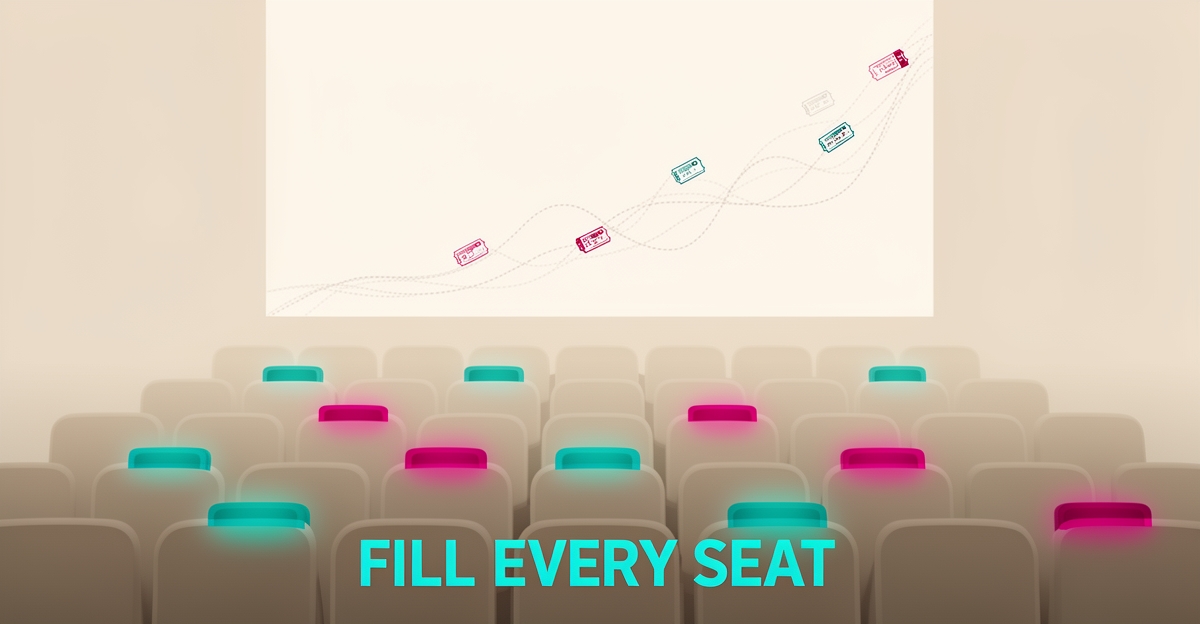
How AI Can Reduce No-Shows and Improve Ticket Sales in Movie Theaters
Key Facts
- AI ticket sales forecasting can lift revenue through better demand prediction and inventory optimization according to industry research.
- AI-personalized concession offers can boost sales by aligning incentives with individual preferences per industry statistics.
- AI predictive analytics can reduce empty seats by identifying attendance gaps before showtime industry data shows.
- AI-driven dynamic pricing can adjust ticket prices hundreds of times daily to fill at-risk seats according to theater industry research.
- AI automation typically resolves customer service tickets significantly faster than traditional methods, reducing friction that leads to no-shows customer service research reveals.
- AI-based seat selection tools can reduce customer complaints, improving satisfaction and attendance follow-through per industry statistics.
- AI predicts movie drop-off rates, enabling targeted promotions that convert at-risk bookings into actual attendance according to theater industry data.
Hire a team member that works 24/7 — for less than a part-time wage.
AI receptionists, SDRs, dispatchers and 99+ roles. Trained on your business, fully managed.
Not sure where to start? Ask our AI planner
The No-Show Problem Costing Theaters Revenue
Empty seats from no-shows represent a silent revenue leak for movie theaters, eroding not just ticket sales but also concession profits and overall capacity utilization. When patrons fail to show up for purchased tickets, theaters lose immediate box office revenue and miss opportunities to sell high-margin snacks and drinks, directly impacting per-customer spend. Beyond the direct loss, empty seats distort attendance forecasting, making it harder to optimize staffing, inventory, and pricing strategies, ultimately reducing operational efficiency and long-term planning accuracy.
AI moves beyond generic reminders by predicting which bookings are at highest risk of no-show based on viewer behavior, purchase history, and contextual factors like weather or local events. Research shows AI can predict movie drop-off rates, enabling theaters to send targeted promotions or personalized incentives—such as discounted concession offers—to convert at-risk bookings into actual attendance. This predictive capability allows for proactive intervention rather than reactive damage control, turning potential losses into recovered revenue.
- AI ticket sales forecasting can lift revenue through better demand prediction and inventory optimization.
- AI-personalized concession offers can boost sales by aligning incentives with individual preferences.
- AI predictive analytics can reduce empty seats by identifying and addressing attendance gaps before showtime.
By integrating AI-driven insights into theater operations—from dynamic pricing adjustments to personalized outreach—venues can transform no-show risk into actionable intelligence. AIQ Labs builds custom systems that analyze booking patterns and automate personalized interventions, helping theaters recover lost revenue while enhancing the customer experience through timely, relevant engagement. This shift from static reminders to predictive, behavior-based intervention creates a more resilient attendance model that protects revenue and improves resource utilization across the theater ecosystem.
Predictive Analytics to Forecast and Prevent No-Shows
No-shows quietly drain theater revenue, but AI turns booking patterns into an early-warning system for attendance risk.
AI analyzes booking history, viewer behavior and external signals to score each reservation for likelihood to attend. The model learns from past no-show patterns, time of booking, purchase channel, weather, local events and even social sentiment to flag at-risk shows before they empty.
When risk is detected, theaters can intervene with precision instead of blasts. Industry research suggests AI ticket sales forecasting can lift revenue by matching supply to real demand rather than assumptions. That same forecasting layer powers predictive no-show prevention by identifying which seats are most likely to go unused.
Dynamic pricing amplifies the effect. AI-driven dynamic pricing can adjust ticket prices many times throughout the day, allowing last-minute discounts to fill at-risk shows without eroding margin on high-demand screenings. The system can also trigger targeted promotions to loyalty members with a history of attendance, converting empty seats into revenue.
AIQ Labs builds custom AI systems that integrate with theater booking platforms to automate outreach and improve conversion rates, which means risk scores can flow directly into reminder and offer workflows. For theaters that want to start narrow, a single AI Workflow Build can rebuild the one workflow that costs the most—typically no-show recovery—before scaling further.
Predictive analytics supports no-show reduction through:
- Booking history analysis to identify repeat no-show profiles and high-risk time slots
- Viewer behavior signals such as late purchases, single-ticket buys, and mobile-only bookings
- External signals like weather forecasts, traffic conditions, and competing local events
- Movie drop-off prediction to enable targeted promotions for waning titles
Once risk is scored, AI automates the response. Personalized reminders arrive via SMS, email or app push at the optimal time, often paired with a concession incentive. If a customer is likely to miss, the system can offer a one-click reschedule or a discounted upgrade to protect the sale.
Research on AI in movie theaters notes AI predicts movie drop-off rates, enabling targeted promotions, a capability directly applied to no-show mitigation. Combined with predictive traffic analytics that reduce empty seats, theaters see both higher attendance and steadier revenue.
The result is a closed loop: forecast, intervene, learn. Each booking improves the model, making future predictions sharper and promotions more efficient.
Personalized Engagement That Drives Attendance
AI transforms ticket bookings into actual attendance by creating a personalized journey that starts the moment a seat is reserved. Instead of generic reminders, theaters can use AI to analyze past behavior—like preferred genres, snack choices, or typical showtimes—and send tailored nudges that feel relevant, not robotic. This approach turns a simple alert into a compelling reason to follow through. AI personalizes concession offers, boosting sales, proving that tailored incentives drive action. When a reminder includes a discount on a customer's favorite combo, it doesn't just reduce no-shows—it increases spend at the same time.
Beyond reminders, AI-powered recommendations deepen engagement by suggesting films aligned with individual tastes, much like a savvy concession clerk who knows your usual order. By analyzing viewing history and even social sentiment, these systems increase the likelihood of a purchase and subsequent visit. AI automation resolves customer service tickets faster than traditional methods, freeing staff to focus on high-touch interactions while AI handles routine inquiries like rescheduling or FAQs. This efficiency ensures that when a customer reaches out, they get quick, accurate help—reducing frustration that might lead to a no-show.
The result is a seamless, individualized experience that builds loyalty and turns occasional visitors into regulars. AI doesn't just fill seats; it cultivates a habit of attendance by making every interaction feel thoughtful and effortless. For theaters looking to implement such systems, AIQ Labs offers custom AI development that integrates with booking platforms to automate personalized outreach, turning data into higher show rates and stronger customer relationships. To explore how this could work for your venue, start with a free strategy call to map your biggest opportunities.
Building an Always-On AI System for Theaters
Building an always-on AI system for movie theaters begins with continuous data analysis to anticipate no-shows before they happen. AIQ Labs develops custom systems that integrate with theater booking platforms to analyze historical attendance, purchase patterns, and even real-time factors like weather or local events. This predictive capability allows theaters to identify high-risk bookings and trigger personalized interventions—such as targeted reminders or concession offers—before a ticket goes unused. According to industry research, AI ticket sales forecasting lifts revenue by optimizing inventory and pricing based on accurate demand predictions.
The system extends into automated, multi-channel outreach that feels personal rather than generic. Using AI-powered SMS and email reminders, theaters can deliver timely, behavior-based nudges—like offering a free drink upgrade to a loyalty member who frequently misses evening shows. These reminders are not static; they adapt based on customer history, seat selection, and even concession preferences, increasing the likelihood of conversion. Research shows that AI personalizes concession offers, boosting sales, proving that tailored incentives drive both attendance and spend. AIQ Labs' managed AI Employees handle this outreach 24/7, ensuring no booking falls through the cracks due to timing or staffing limits—at a fraction of the cost of adding headcount.
Beyond reminders, the always-on AI system enhances the in-theater experience to reinforce attendance habits. Intelligent seat selection tools reduce friction during booking, while AI-driven crowd monitoring helps prevent overcrowding—both factors that improve satisfaction and reduce hesitation to return. AI-based seat selection tools reduce customer complaints, contributing to a smoother, more enjoyable visit. By integrating with CRM and payment systems, AIQ Labs creates a unified platform where data flows seamlessly from prediction to action, allowing theaters to own and optimize their AI assets without vendor lock-in. For operators ready to connect forecasting, outreach, and operations in one place, an AI Operating System built in phases—and owned outright—turns no-show mitigation from a reactive tactic into a proactive, always-on operational advantage.
Still paying for 10+ subscriptions that don’t talk to each other?
We build custom AI systems you own outright. No vendor lock-in. Full control.
Not sure where to start? Ask our AI planner
Frequently Asked Questions
How does AI actually predict which ticket holders won't show up?
What kind of results can theaters expect from AI-driven ticket forecasting?
Can personalized offers really convince people to show up instead of no-showing?
Will AI reminders feel spammy or robotic to our customers?
How does dynamic pricing work with no-show prevention without hurting margins?
What's involved in implementing an AI system like this — do we need to replace our booking platform?
Turning Empty Seats into Predictable Revenue
No-shows are not an inevitable cost of doing business—they are a solvable operational gap. By moving from static reminders to predictive, behavior-based intervention, theaters can recover lost box office revenue, lift high-margin concession sales, and reduce empty seats through AI-driven analytics. The shift is strategic: forecasting demand more accurately allows for dynamic pricing that fills seats without eroding margins, while automated, personalized outreach converts at-risk bookings into confirmed attendees. This creates a closed loop where every interaction sharpens the model, making future predictions more precise and promotions more efficient. For theater operators ready to stop leaking revenue and start optimizing capacity, the next step is identifying exactly where the friction lives in your current booking journey. AIQ Labs offers a free 30-minute strategy call to map your highest-ROI automation opportunities—no obligation, just a practical assessment of what's possible with your existing systems and data.
Make AI your competitive advantage — not just another tool.
Strategy, implementation and ongoing optimization. One partner, end to end.
Not sure where to start? Ask our AI planner