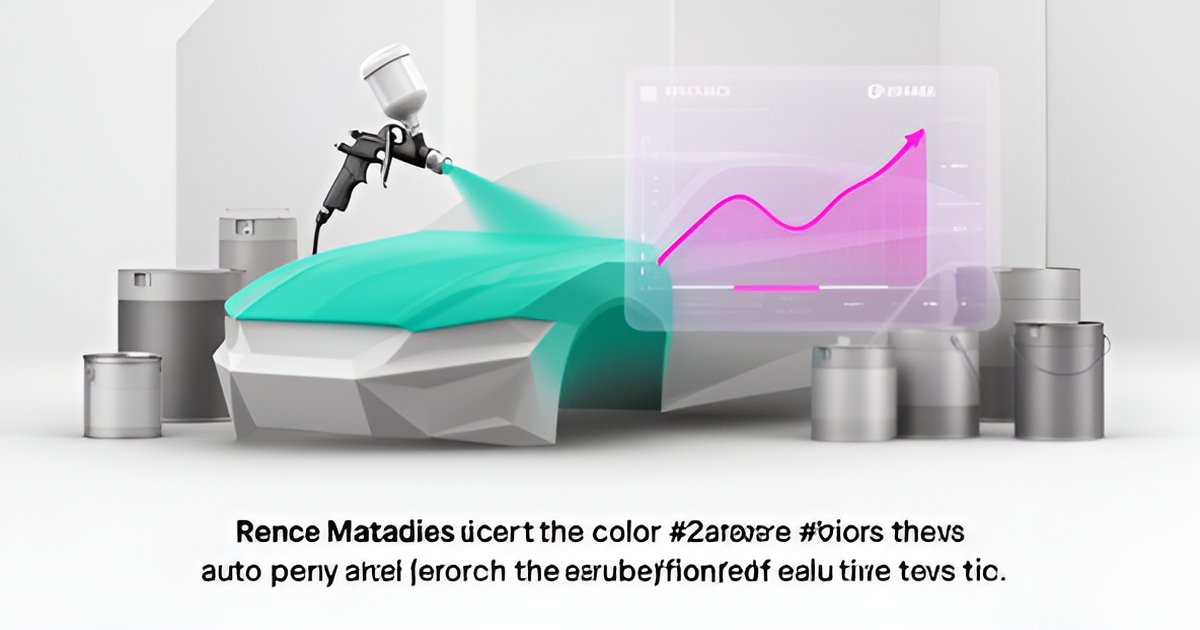
How AI Can Reduce Paint Material Waste in Auto Body Shops
Key Facts
- Most shops over-order paint because estimators default to "safe" margins rather than actual usage data
- Partial cans from color-match adjustments typically sit on shelves until they expire and require paid hazardous disposal
- Historical job data—repair type, paint code, coats applied, actual ounces sprayed—is usually enough to train a working forecast
- The most effective AI tools solve one specific problem well rather than replacing everything at once
- Phased implementation keeps technicians in the loop and builds trust without disrupting the workflow
Hire a team member that works 24/7 — for less than a part-time wage.
AI receptionists, SDRs, dispatchers and 99+ roles. Trained on your business, fully managed.
Not sure where to start? Ask our AI planner
The Hidden Cost of Paint Over-Ordering in Auto Body Shops
Every auto body shop knows the sinking feeling of opening a fresh paint can for a job that needed half the volume — or worse, realizing mid-repair that the color match requires a second emergency order. That friction isn't just annoying; it's a silent profit leak that compounds across every bay, every week.
The root of the problem is cognitive overhead. Estimators and painters juggle color codes, coverage rates, and supplier lead times while mentally calculating paint volume from damaged panel surface area — and under time pressure, they default to "safe" over-orders. Industry observers of workplace technology have long noted that professionals adopt new tools not because the technology is impressive, but because they're exhausted by the mental burden of manual tracking.
- Estimators mentally calculate paint volume from damaged panel surface area, often defaulting to "safe" over-orders
- Color-match adjustments consume partial cans that sit on shelves until they expire
- Historical job data lives in disconnected systems — invoices, paint room logs, and technician memory
- No feedback loop connects actual usage back to the ordering process
The waste isn't merely financial. Unused paint becomes hazardous material requiring paid disposal, and every extra delivery adds cost and environmental burden. The calculator didn't try to replace the accountant — it eliminated one specific source of friction and became indispensable. The same principle applies here: shops don't need a full ERP overhaul. They need a targeted system that learns from every completed job — surface area, paint code, coats applied, actual ounces sprayed — and turns that history into the next order's precision forecast.
AIQ Labs builds this capability through [AI Workflow Builds](/workflow-builds): we rebuild the one workflow that costs you the most — like paint ordering — at a fixed price, in phases. The system ingests historical job data, identifies usage patterns by repair type and paint system, and surfaces ordering recommendations before the estimator even picks up the phone. The result: less shelf waste, fewer emergency runs, and a paint room that runs on data instead of guesswork.
How AI Predicts Paint Usage to Eliminate Over-Ordering
Every over-ordered gallon of paint sitting on a shop's shelf represents money spent and space consumed. The root cause is rarely carelessness—it's guesswork. Estimators estimate, painters pad their numbers "just in case," and the surplus accumulates quietly until inventory audits reveal how much has hardened in sealed cans.
AI changes the starting point of that conversation. Instead of relying on intuition, shops can use AI to analyze historical job data—what was actually mixed and sprayed for similar repairs on similar vehicles—to generate accurate paint usage predictions before a single order is placed. A bumper respray on a mid-size sedan no longer requires a guess; it draws on the shop's own record of what that job truly consumes.
The most effective implementations stay deliberately narrow. The most useful technologies rarely arrive by replacing everything at once. The calculator didn't try to replace the accountant — it eliminated one specific source of friction and became indispensable. For a body shop, that friction is over-ordering—and it's a problem AI can solve without touching anything else in the workflow.
The same principle applies to how the technology earns adoption. The tools that succeed aren't the ones with the boldest premise; they're the ones that solve one real problem and do it well. Paint prediction fits that mold because its value fits in a single sentence: this tool exists so the shop stops buying paint it doesn't need.
Getting there requires a focused look at what data the shop already produces:
- Historical job records showing actual paint quantities used per repair type
- Vehicle make, model, and color data that drives coverage requirements
- Repair patterns that reveal which job categories consistently generate surplus
- Inventory records that show what was ordered versus what was consumed
Once those inputs are connected, the prediction engine does the mental heavy lifting. This matters more than it might seem—people adopt workflow automation not because the technology is impressive but because they're worn down by manual tracking. A system that removes the burden of usage math from estimators and painters reduces errors precisely because it reduces cognitive load.
This is the approach behind the operational dashboards AIQ Labs builds: connect the shop's existing job and inventory data, surface accurate usage forecasts, and let the over-ordering problem shrink on its own. Progress is made in practice, not promises—and a shop that can explain its AI tool's value in one sentence is a shop that will actually use it.
Implementing AI-Powered Paint Forecasting Without Disrupting Workflow
Implementing AI-powered paint forecasting doesn't require overhauling your entire shop management system. Instead, it starts with identifying where friction exists in your current paint usage tracking—whether it's inconsistent logging, guesswork on custom colors, or over-ordering for common repairs. The most useful technologies succeed by eliminating specific sources of friction rather than attempting broad replacements. For auto body shops, this means deploying AI that clearly addresses one pain point, like reducing over-ordering on routine bumper repairs, so technicians can explain its value in a single sentence.
Begin by auditing your existing data streams: job logs, paint mixing records, and inventory histories. Even basic historical data—such as vehicle make/model, repair type, and paint volume used—can train a forecasting model when structured for machine readability. The key is ensuring your data is accessible via APIs or exportable formats, without requiring workers to adopt new interfaces. This approach minimizes cognitive load, which matters because your team's attention is already stretched across every bay.
Implement the solution in phases, starting with a single workflow—like predicting clearcoat usage for hatchback repairs—before expanding to primers or custom blends. Keep technicians in the loop: let them review AI suggestions, override when needed, and provide feedback that retrains the model. This human-in-the-loop control builds trust and ensures the tool adapts to real-world variability, such as seasonal humidity effects or new paint formulations. Focus on delivering a working solution that saves time and material from day one. AIQ Labs supports this phased, low-lift integration through [AI Workflow Builds](/workflow-builds) for a single high-cost workflow, or a broader [AI Operating System](/ai-operating-systems) when shops want one connected operating layer built in phases and owned outright. Not sure where to start? A [2-minute Fit Check](/apply) is the fastest way to find out.
Still paying for 10+ subscriptions that don’t talk to each other?
We build custom AI systems you own outright. No vendor lock-in. Full control.
Not sure where to start? Ask our AI planner
Frequently Asked Questions
How does AI actually predict how much paint a repair job will need?
Do I need to replace my entire shop management system to use AI paint forecasting?
What data does my shop need to have before AI forecasting can work?
Will AI paint forecasting add more complexity for my estimators and painters?
Is over-ordering paint really costing my shop that much money?
How should I phase in AI paint forecasting without disrupting my workflow?
From Guesswork to Precision: Turning Paint Waste into Profit
Auto body shops lose money not from carelessness, but from the quiet accumulation of over-ordered paint—gallons that harden on shelves, emergency runs that disrupt workflow, and hazardous waste that adds cost and environmental burden. AI changes this by turning historical job data into precise usage forecasts, eliminating the guesswork that burdens estimators and painters. The most effective solutions don't overhaul systems; they target one friction point—like predicting clearcoat for hatchback repairs—so teams can explain the value in a single sentence. Start by auditing your job logs and inventory records—even basic data on vehicle make, repair type, and paint used can train a model that saves material from day one. Let AIQ Labs help you turn paint room guesswork into data-driven confidence with a targeted, workflow-friendly solution that pays for itself in reduced waste and fewer emergency orders. Take the [2-minute Fit Check](/apply) to see if your shop is a fit.
Make AI your competitive advantage — not just another tool.
Strategy, implementation and ongoing optimization. One partner, end to end.
Not sure where to start? Ask our AI planner