How AI Can Reduce Parent No-Shows by Tracking Behavior Patterns
Key Facts
- AIQ Labs has deployed 200+ multi-agent AI systems
- AIQ Labs runs 4 live SaaS products daily, so its systems are tested in real operations, not just demos
- AI Employees typically cost around 80% less than a comparable human hire while working 24/7/365
- AIQ Labs offers 99+ managed AI roles, including receptionists, SDRs, and dispatchers
- Flexible payment models: Start Monthly, Build in Milestones, or Own It Outright
Hire a team member that works 24/7 — for less than a part-time wage.
AI receptionists, SDRs, dispatchers and 99+ roles. Trained on your business, fully managed.
Not sure where to start? Ask our AI planner
How Predictive AI Identifies No-Show Risk Before It Happens
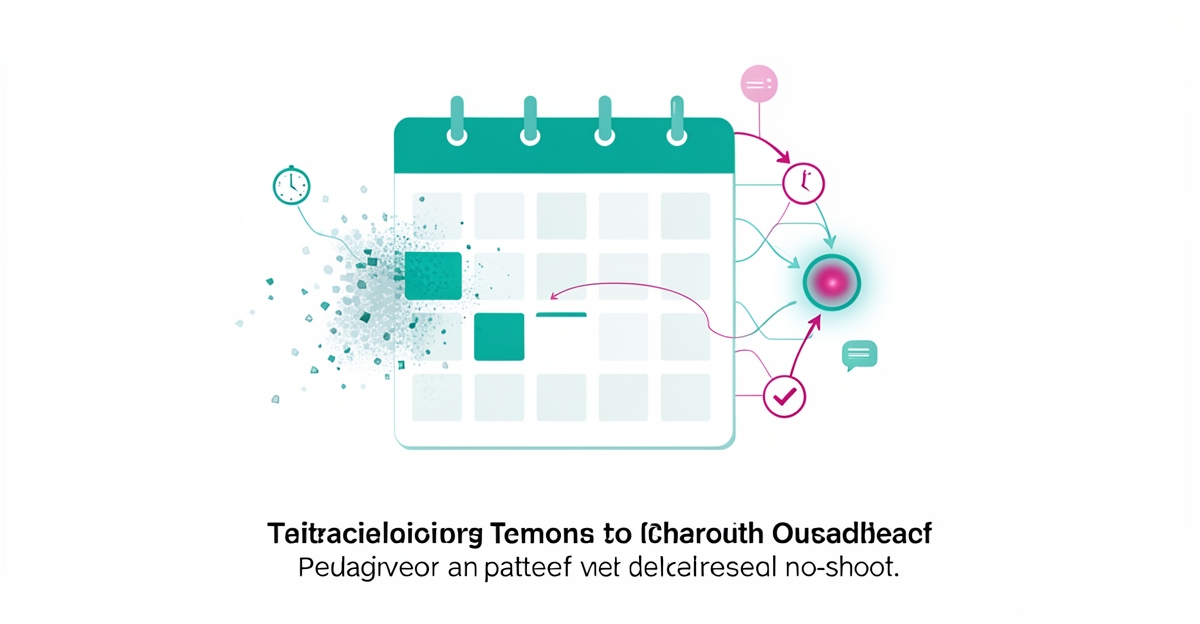
Parent no-shows rarely come out of nowhere. They follow patterns: a history of last-minute cancellations, unanswered confirmation messages, longer gaps between visits, bookings made far in advance, or shifts in how quickly a parent replies to outreach. AI systems analyze these signals across your booking history and communication logs to score each upcoming appointment for no-show risk.
Once an appointment is flagged, the system acts automatically. A high-risk booking might trigger an extra confirmation text, a personal call from an AI receptionist, an easy one-tap reschedule link, or a prompt for your staff to make a personal check-in. Low-risk appointments get lighter-touch reminders, so families aren't over-messaged.
This is exactly the kind of always-on follow-up that managed AI Employees handle around the clock, receptionists and dispatchers who confirm, remind, and reschedule without adding headcount. If the no-show problem is concentrated in one broken workflow (say, intake scheduling), a targeted AI Workflow Build can rebuild that single process end to end.
Limitations and Bias Risks in AI Prediction Systems
Predictive systems are only as good as their data, and they deserve healthy skepticism. A few things to keep in mind:
- Predictions are probabilities, not verdicts. A high-risk score is a signal to reach out, not a reason to treat a family differently or restrict their access to services.
- Watch for biased patterns. If your historical data reflects uneven access to transportation, work schedules, or communication habits, the model can learn those patterns. Regular review of who gets flagged, and why, is essential for fairness.
- Keep humans in the loop. AI should draft and trigger outreach; your team should handle anything sensitive or high-stakes, especially in family-serving contexts.
- Insist on transparency. You should be able to see why an appointment was flagged and opt out of automated messaging for any family who prefers it.
Used this way, as a triage tool with human oversight, prediction is safe and effective. Used as a black box, it creates new problems. We build with guardrails, audit trails, and human-in-the-loop controls by default.
Building a Reliable No-Show Prevention System with AIQ Labs
A durable no-show prevention system has four parts: clean booking and communication data, a risk-scoring model tuned to your history, automated outreach that adapts to the risk level, and reporting that shows whether attendance actually improved. AIQ Labs builds all four as one connected layer, an AI Operating System delivered in phases, so you see results at each step and own the system outright.
With 200+ multi-agent systems deployed and 4 live SaaS products we run ourselves every day, we build systems we depend on, not slideware. Pricing is straightforward: Start Monthly, Build in Milestones, or Own It Outright, with no hidden fees.
Still paying for 10+ subscriptions that don’t talk to each other?
We build custom AI systems you own outright. No vendor lock-in. Full control.
Not sure where to start? Ask our AI planner
Frequently Asked Questions
Can AI really reduce parent no-shows by tracking behavior patterns?
What data does a no-show prediction system need?
Could the AI unfairly flag certain families?
Will automated reminders annoy parents?
How long does it take to see results?
Is it safe to rely on AI for parent engagement tasks like reminders and follow-ups?
Turning Predictions into Parent Engagement
AI-driven behavior analysis offers a practical path to reducing parent no-shows by identifying risk patterns in booking history, communication habits, and past cancellations, enabling timely, personalized outreach that improves reliability without adding staff burden. For agencies seeking to strengthen family retention and operational consistency, this approach transforms reactive scheduling into proactive relationship management. To explore how predictive AI can be tailored to your workflow, start with a free two-minute Fit Check to assess your biggest bottlenecks and uncover high-ROI automation opportunities. From there, schedule a no-obligation 30-minute strategy call with our team to map a clear, actionable plan, because the right AI solution should solve real problems, not create new ones.
Make AI your competitive advantage — not just another tool.
Strategy, implementation and ongoing optimization. One partner, end to end.
Not sure where to start? Ask our AI planner