How AI Can Reduce Site Visit Errors in Tenant Improvement Projects
Key Facts
- AI visual inspection systems are reported to achieve very high detection accuracy on surface and dimensional defects, though results vary by use case
- Computer vision can process images far faster than human inspectors, enabling near-real-time defect flagging
- Human inspectors typically miss a meaningful share of defects, with error rates rising sharply under fatigue
- Rework is widely cited in industry research as a major cost driver in construction, often estimated in the double-digit percentage range of total project cost
- Manual data entry carries a measurable error rate that compounds across thousands of field records
- AI-assisted visual inspection is reported to reduce material waste by catching defects earlier in the process
Hire a team member that works 24/7 — for less than a part-time wage.
AI receptionists, SDRs, dispatchers and 99+ roles. Trained on your business, fully managed.
Not sure where to start? Ask our AI planner
The Hidden Cost of Site Visit Errors in TI Projects
Tenant improvement projects live or die on what gets documented on site, and manual processes quietly bleed margin with every visit. When observations stay in notebooks, photos sit on phones, and verbal handoffs replace records, small oversights harden into expensive problems.
Industry research consistently points to rework as one of the largest drivers of wasted spending in construction, with estimates often placing it in the double-digit percentage range of total project cost. In TI work, where schedules are tight and existing buildings hide unknowns, that waste shows up as change orders, delayed occupancy, and lost client trust.
Manual site documentation creates the first failure point. Field teams capture photos and notes under time pressure, then transcribe them later. Manual data entry carries a measurable error rate, and across thousands of field records those errors translate to missing punch items, incorrect material orders, and failed inspections.
Human inspection variability adds risk. Studies of field inspection report that human inspectors miss a meaningful share of defects on average, with error rates rising sharply during fatigue. Miscommunication between GCs, tenants, and designers then amplifies the gap, as verbal updates and fragmented photos leave no single source of truth for what was seen, when, and by whom.
The cost chain is predictable and painful:
- Missed defects lead to rework and material waste
- Incomplete records trigger inspection failures and re-inspections
- Delayed documentation slows approvals and payment cycles
- Inconsistent visit notes erode client confidence
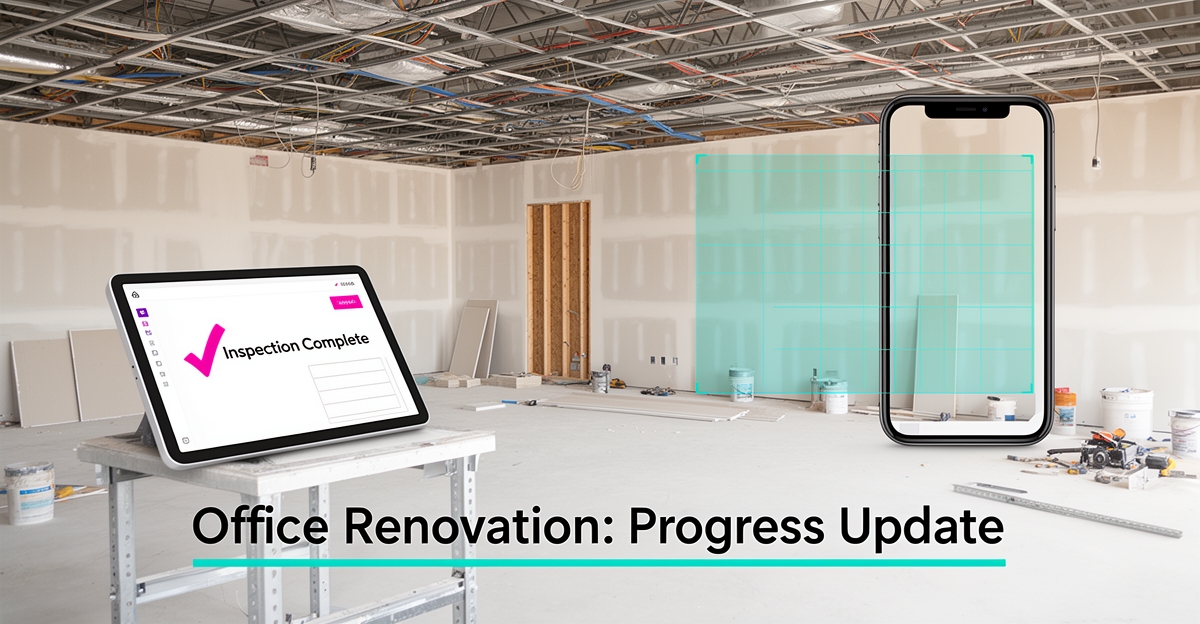
AI-powered checklists, site prep verification, and photo-based validation address these friction points by making every visit accurately recorded and actioned. Automated workflows ensure observations, photos, and videos convert into structured reports without manual transcription, reducing reporting time and preserving context for downstream decisions.
AIQ Labs builds these workflows through AI Workflow Builds — a fixed-price engagement that rebuilds the one workflow costing you the most, in phases. By integrating AI with existing construction management platforms, teams maintain real-time visibility into progress, defects, and compliance without adding administrative burden.
When documentation is consistent and validated, material waste falls and inspection pass rates rise. Fewer escapes mean fewer surprises at final walkthrough, faster tenant move-in, and healthier project margins.
AI-Powered Checklists, Prep Verification and Photo Validation
AI-powered site visit report generators are changing how construction teams document tenant improvement projects by converting raw field data into structured digital reports with minimal manual effort. These tools automatically process photos, videos, and inspector notes into organized records that capture progress updates, safety observations, and quality control details, substantially reducing reporting time while improving documentation accuracy and consistency across teams. By eliminating repetitive paperwork, professionals can focus on site management rather than administrative tasks, ensuring all essential details are properly archived throughout the construction lifecycle.
Computer vision systems further enhance on-site verification by analyzing images at the pixel level to detect surface and dimensional defects, significantly outperforming manual inspections where fatigue-driven error rates climb. These AI models process images far faster than human inspectors, enabling real-time identification of cracks, misalignments, or material inconsistencies that might otherwise go unnoticed. When integrated into site visit workflows, computer vision reduces defect escape rates and helps prevent costly rework.
AIQ Labs supports this automation through workflow builds that ensure every site visit is accurately recorded and actioned, improving client trust and project outcomes through seamless data flow between field teams and project management systems. The combination of AI-powered checklists, prep verification, and photo-based validation creates a reliable audit trail where image evidence is stored for every flagged issue, enabling transparent collaboration and faster resolution of potential problems before they escalate. This approach transforms traditional site documentation from a reactive process into a proactive quality control mechanism that maintains project momentum while reducing material waste and inspection delays.
From Field Data to Actionable Workflows
The gap between field observations and actionable project data remains one of the most persistent sources of error in tenant improvement projects. AIQ Labs bridges this divide by constructing automated workflows that transform raw site photos, field notes, and video footage into structured, validated reports ready for immediate use. This process begins with intelligent data ingestion—where images and observations captured during site visits are automatically processed by AI models trained to extract key details such as material conditions, installation accuracy, and safety compliance. These inputs are then converted into standardized digital reports that align with project documentation standards, eliminating the inconsistencies and delays inherent in manual note-taking and transcription.
These AI-generated reports are not siloed artifacts; they are designed to flow directly into existing project ecosystems. Through deep integration with Building Information Modeling (BIM) systems and project management platforms, the output from each site visit updates 3D models, triggers task assignments, and flags discrepancies in real time. For example, if a photo reveals a misaligned conduit run, the system can automatically generate a corrective work order, notify the relevant trade lead, and log the issue against the project schedule—all without manual intervention. This seamless data flow ensures that every visit contributes to a living project record, reducing the risk of miscommunication and the rework costs industry research consistently flags.
Critically, AIQ Labs embeds human-in-the-loop oversight at every stage to maintain accountability and trust. While AI handles the heavy lifting of data extraction, pattern recognition, and report generation, qualified professionals review and validate outputs before they are finalized or acted upon. This hybrid approach leverages the speed and consistency of AI while preserving the contextual judgment that only experienced field personnel can provide. The result is a workflow where technology amplifies human expertise rather than replacing it, ensuring every site visit is not just recorded, but truly actioned.
- Automated conversion of site media into structured reports
- Real-time synchronization with BIM and project management tools
- Human-in-the-loop validation for accuracy and accountability
- Audit-ready documentation that supports compliance and client trust
By turning fleeting field observations into enduring project intelligence, these workflows transform site visits from routine checkpoints into catalysts for precision and progress.
Deploying AI Site Verification Without Disruption
Site visit errors compound fast in tenant improvement work, and manual documentation is a major source of rework. Teams need a deployment path that adds AI verification without slowing crews or disrupting existing workflows.
Start with data capture that fits current field habits. Photos, videos, and notes are collected during normal walkthroughs and fed into an AI platform that converts observations into structured digital reports. This step eliminates repetitive manual reporting and keeps essential inspection details archived for transparency.
Preprocessing standardizes images before analysis. Algorithms enhance quality and normalize formats so models evaluate consistent inputs despite variable lighting or angles. The analysis stage runs trained models that evaluate for defects and assign confidence scores to findings, processing images far faster than human inspectors could.
Human oversight remains central to trust. AI-generated findings are reviewed and validated by site leads before distribution, creating a human-in-the-loop model that prevents bad data from reaching stakeholders and maintains accountability. Reports then flow to stakeholders through integrated project management systems, reducing miscommunication between teams.
Deployment architecture shapes speed and control. Cloud-native tools typically deploy in weeks and suit post-process inspection and centralized analytics, while edge AI takes longer but delivers low-latency, real-time decisions with data staying on-premises. The choice depends on connectivity, latency needs, and data residency requirements.
A practical rollout for TI teams follows this sequence:
- Capture site data with photos, videos, and notes during visits
- Preprocess images to enhance quality and standardize formats
- Run AI analysis with confidence scoring and flag potential defects
- Validate findings with human inspectors for final sign-off
- Distribute reports through integrated construction management platforms
Governance keeps adoption smooth. Teams define clear rules for when AI can automate decisions versus when human authority is required, establish audit trails, and scale gradually from pilot projects to integrated systems. AI-powered checklists and photo-based validation reduce errors while preserving flexibility for complex TI environments.
AIQ Labs builds automated workflows that ensure every visit is accurately recorded and actioned, improving client trust and project outcomes. For teams ready to go further, AI Operating Systems connect site documentation into one operating layer across the whole business — built in phases and owned outright. The combination of AI automation with governed human review delivers consistent documentation without disruption.
Still paying for 10+ subscriptions that don’t talk to each other?
We build custom AI systems you own outright. No vendor lock-in. Full control.
Not sure where to start? Ask our AI planner
Frequently Asked Questions
How much can AI reduce reporting time during tenant improvement site visits?
What defect detection accuracy can computer vision achieve compared to human inspectors?
How does AI help reduce material waste in tenant improvement projects?
Will using AI for site documentation replace human inspectors?
How fast can computer vision process images compared to human inspectors?
What is the typical deployment timeline for AI-powered site verification tools?
Turning Site Visits into Strategic Advantages
The pattern is clear: manual site documentation in tenant improvement projects creates avoidable costs through rework, inspection delays, and eroded client trust. By leveraging AI-powered checklists, computer vision for defect detection, and automated workflows that convert field data into actionable insights, teams can cut reporting time while improving accuracy and consistency. AIQ Labs helps construction firms implement these solutions without disruption—ensuring every visit is accurately recorded and actioned through seamless integration with existing project management systems. The result is fewer change orders, faster occupancy, and healthier margins. To explore how AI can transform your site documentation process, take the 2-minute Fit Check and then book a free 30-minute strategy call to identify your highest-impact opportunities.
Make AI your competitive advantage — not just another tool.
Strategy, implementation and ongoing optimization. One partner, end to end.
Not sure where to start? Ask our AI planner