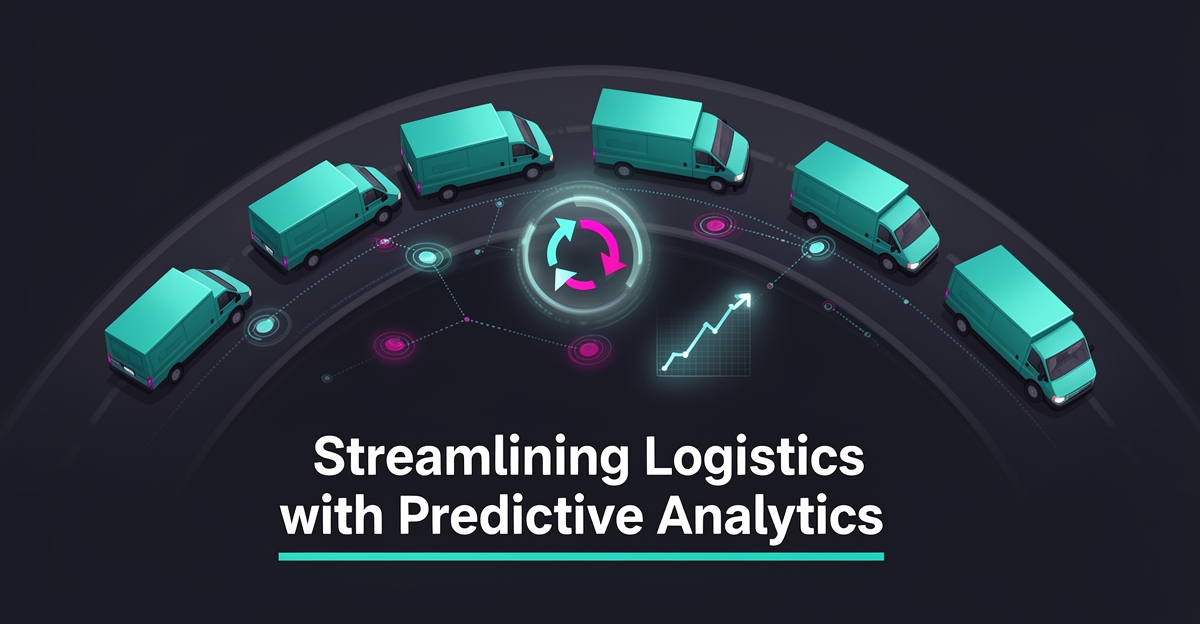
How AI Can Streamline the Lease Renewal Process for Fleet Leasing Businesses
Key Facts
- A single tenant turnover typically costs thousands of dollars once lost rent, marketing, repairs, and administration are factored in
- Predictive analytics can typically flag flight-risk tenants 60–90 days before lease expiration, leaving time to intervene
- Missed or duplicated expiration dates across systems are one of the most common sources of renewal revenue leakage
- Behavior-triggered outreach typically outperforms static drip campaigns for renewal and lead conversion
- AI document processing can extract lease end dates, notice periods, and deposit terms automatically, removing manual calendar management
- Operators using predictive analytics consistently report better retention than those relying on intuition alone
Hire a team member that works 24/7 — for less than a part-time wage.
AI receptionists, SDRs, dispatchers and 99+ roles. Trained on your business, fully managed.
Not sure where to start? Ask our AI planner
The Renewal Revenue Leak Fleet Businesses Can’t See
The renewal revenue leak starts long before a unit sits empty. It starts with missed expirations, late notices, and decisions made in property silos instead of across the portfolio.
Fleet leasing teams often run renewals reactively. Expiration dates live in spreadsheets, notices are sent manually, and usage patterns that signal churn are never connected to renewal probability. That property-siloed approach creates blind spots that cost real money.
A single tenant turnover typically costs thousands of dollars once you factor in lost rent, marketing, repairs, and administration. When expirations slip through the cracks, that cost compounds across dozens of units and quarters.
Rent sensitivity makes the leak worse. Across portfolios, renewal rates tend to drop noticeably for units priced above key market thresholds — and without early warning, teams raise rates uniformly and lose high-value tenants who could have been retained with targeted terms.
The data advantage is clear. Operators who use predictive analytics consistently report higher retention than those who rely on intuition alone. The shift is from reconstructing what went wrong after the fact to surfacing what is likely to go wrong early enough to act.
Reactive renewal processes typically show these failure points:
- Expiration dates missing or duplicated across property systems, with no portfolio-wide single source of truth
- Renewal notices sent late or inconsistently, eroding trust and shortening decision windows
- No usage-based scoring to flag flight risk before the tenant starts shopping competitors
- Manual follow-up that relies on individual agent memory instead of automated triggers
Centralizing lease data changes the outcome. A unified record enables autonomous agentic workflows to monitor expirations, trigger personalized notices, and score renewal likelihood from usage patterns. That is the core of AI Workflow & Task Automation for fleet leasing.
AIQ Labs builds custom AI workflows that integrate with CRM and accounting systems to ensure renewals happen smoothly and profitably. By connecting lease terms, payment history, and utilization data into one operating view, teams move from chasing expirations to proactively protecting revenue. For businesses that want to start with a single high-cost workflow, our AI Workflow Builds rebuild the one process that drains the most time, at a fixed price.
AI-Powered Renewal Intelligence From Trigger to Prediction
The gap between having lease data and acting on it is where most fleet leasing operations lose revenue. AI closes that gap by turning scattered records into a live intelligence layer that triggers renewals, personalizes outreach, and scores every expiring contract before a human ever opens a file.
The foundation is unified data ingestion. Instead of duplicate tenant records across properties, a Single Guest Card merges every interaction into one longitudinal profile. This single source of truth lets AI cross-sell inventory, track lease expirations portfolio-wide, and tailor communication using complete history — not just the last note in a property-specific CRM. This centralization shifts operators from reactive, building-by-building tasks to proactive, portfolio-wide management.
On top of that unified layer, autonomous agentic workflows handle the multi-turn conversations that stall renewals. These agents don't just send templates — they negotiate terms, answer questions, route complex requests to the right specialist, and adapt messaging based on real-time engagement signals. Behavior-triggered outreach typically outperforms static drip campaigns for both renewal conversion and lead-to-lease conversion.
- Automated renewal triggers fire based on lease end dates, notice periods, and tenant engagement scores
- Personalized notices reference usage patterns, payment history, and market-positioned rent options
- Predictive scoring flags flight-risk tenants 60–90 days before expiration
- Sentiment analysis surfaces dissatisfaction signals from maintenance tickets and communication tone
- Operational routing assigns each renewal to the specialist best equipped to close it
The payoff is measurable in hours saved and renewals protected. AIQ Labs builds custom AI workflows that ingest CRM and accounting data, deploy autonomous renewal agents, and surface probability scores so your team intervenes early — where the margin lives. For teams ready to connect every system into one layer they own outright, our AI Operating Systems approach builds that connected operating layer in phases.
Centralized CRM Automation That Replaces Manual Renewal Work
Fleet leasing teams lose renewals not because the data is missing, but because it lives in silos and manual handoffs. A centralized CRM automation layer replaces that friction with a three-layer AI architecture that unifies records, acts autonomously, and scores decisions in real time.
The foundation is data unification into a Single Guest Card. Legacy CRMs create duplicate records when a client moves between locations or vehicles, forcing staff to reconstruct history for every renewal. An agentic CRM automatically merges duplicates across the portfolio into one longitudinal profile, giving the system full visibility into expirations, usage patterns, and cross-sell opportunities.
On top of unified data, autonomous agentic workflows handle the messy middle of renewal management. Instead of static auto-responders, AI agents run multi-turn conversations, trigger personalized renewal notices based on usage signals, and route follow-ups by behavior rather than time. This centralization lets one team support multiple sites, ending the property-by-property staffing model that slows response.
The third layer is predictive decision intelligence. Models score renewal likelihood from lease terms, payment history, tenure, and vehicle utilization, then route high-risk accounts to human specialists while automating nurturing for low-risk ones. Teams adopting this approach typically report meaningful reductions in administrative time, freeing leasing staff for negotiation and retention work.
The contrast with legacy systems is stark:
- Legacy CRM: round-robin assignment, building-specific inventory views, generic drip follow-ups.
- Agentic CRM: intelligent routing by agent specialty and load, portfolio-wide inventory matching, behavior-based triggers.
- Legacy CRM: duplicate records per location, manual renewal calendar entry.
- Agentic CRM: Single Guest Card for life-of-client tracking, automated renewal triggers from lease extraction.
Results compound across the portfolio. Operators using AI-driven leasing CRMs typically report higher lead-to-lease conversion, and predictive analytics adoption is consistently linked to stronger retention than intuition-only approaches.
For fleet leasing businesses, this means renewal notices arrive personalized and on time, usage anomalies surface before churn, and cross-portfolio selling happens automatically when a client’s needs change. AIQ Labs builds custom AI workflows that integrate with CRM and accounting systems to ensure renewals happen smoothly and profitably, replacing manual tracking with autonomous agentic workflows that nurture and route without constant oversight.
The shift is from reactive, siloed tasks to proactive, portfolio-wide centralization. Teams stop chasing spreadsheets and start acting on renewal probability scores, sentiment flags, and next-best actions delivered directly in their CRM.
Implementing AI Renewal Automation With CRM and Accounting Integration
Successful AI lease renewal implementation requires a structured approach that connects data quality assessment, system integration, and team adoption. The following framework outlines the essential steps for fleet leasing businesses ready to automate their renewal workflows.
Begin by auditing your existing lease data to identify gaps that could derail automation. Data quality issues are common in practice — portfolios frequently contain lease records missing expiration dates, notice periods, or complete payment histories. Ensuring clean, complete records — including move-in dates, payment histories, and vehicle specifications — forms the foundation for accurate predictive scoring.
Next, choose an analytics approach that aligns with your existing technology stack. Options range from enterprise platforms like Azure Machine Learning and AWS SageMaker to custom-built models designed specifically for fleet operations. Consider integration capabilities with your current property management system (PMS) and customer relationship management (CRM) software, as seamless data flow between these systems eliminates manual entry errors and ensures real-time visibility into renewal probabilities.
Integration represents the technical core of the implementation. Using REST APIs, connect your AI system to CRM platforms and accounting software to enable automated data synchronization. Timelines vary by stack complexity, but this typically takes a phased build over several weeks with dedicated development resources to map data fields correctly. AIQ Labs specializes in building these custom AI workflows, creating deep two-way API integrations that unify CRM, accounting, and operational systems into a single source of truth. This connectivity allows the AI to trigger renewal workflows automatically based on lease end dates extracted from documents.
AI document processing eliminates manual calendar management by reading lease agreements and extracting critical data points. These systems automatically pull tenant names, lease end dates, security deposit amounts, and notice period requirements, then create reminders and email notifications without human intervention. This automation removes the risk of missed deadlines and eliminates the administrative burden of tracking hundreds of vehicle leases across multiple locations.
Technology alone cannot drive results without proper team adoption. Train leasing agents to interpret renewal probability scores and craft personalized offers based on AI insights. Role-playing scenarios help staff practice conversations with at-risk clients, ensuring they understand when to offer incentives versus standard renewal terms. In practice, AI works best when it elevates human expertise rather than replacing it, handling administrative tasks so agents can focus on negotiation and relationship building.
Finally, establish continuous improvement through centralized dashboards that track model accuracy, churn predictions, and renewal outcomes. Effective implementation requires:
- Monthly reviews of prediction accuracy against actual renewal results
- Quarterly recalibration of scoring thresholds to maintain precision
- Monitoring of key metrics including renewal rates and administrative time savings
Organizations that follow this disciplined approach typically see meaningful returns through higher renewal rates and substantial reductions in manual processing time. By treating implementation as an iterative process rather than a one-time setup, fleet leasing businesses can continuously refine their AI systems to maximize retention and profitability.
Still paying for 10+ subscriptions that don’t talk to each other?
We build custom AI systems you own outright. No vendor lock-in. Full control.
Not sure where to start? Ask our AI planner
Frequently Asked Questions
How much can a single tenant turnover cost a fleet leasing business?
What improvement in renewal rates can AI-powered predictive analytics deliver for fleet leasing businesses?
How does AI reduce administrative time in lease renewal processes?
What is a Single Guest Card and how does it improve lease renewal management?
Can AI help identify which tenants are at risk of not renewing their lease?
How long does it typically take to integrate AI renewal automation with existing CRM and accounting systems?
Turn Lease Renewals from a Leak into a Growth Engine
Fleet leasing businesses lose significant revenue not from a lack of data, but from siloed systems and reactive processes that miss expirations, send late notices, and fail to identify at-risk tenants early. By unifying lease data into a Single Guest Card, deploying autonomous agentic workflows for personalized outreach, and applying predictive scoring to flag flight risk 60–90 days out, AI transforms renewal management from a costly chore into a proactive revenue protector. To stop the leak and start retaining more high-value tenants, begin by assessing your current lease data quality and identifying gaps that could derail automation. AIQ Labs helps fleet leasing businesses build custom AI workflows that integrate with CRM and accounting systems to ensure renewals happen smoothly and profitably. Start the Fit Check — a free, no-obligation session to map your biggest bottleneck and uncover high-ROI AI opportunities — at https://aiqlabs.ai/apply.
Make AI your competitive advantage — not just another tool.
Strategy, implementation and ongoing optimization. One partner, end to end.
Not sure where to start? Ask our AI planner