How AI Temperature Monitoring Can Prevent Product Spoilage in Cold Chain Logistics
Key Facts
- AI temperature sensors transmit data on a continuous cycle with tight accuracy tolerances for real-time cold chain monitoring
- AI systems can trigger SMS or voice alerts within minutes of a temperature breach to prevent spoilage
- Manual temperature checks typically happen every few hours, creating critical gaps in cold chain oversight
- Visual cues like color are unreliable indicators of food safety—many people still rely on them, per USDA research
- AI-powered monitoring generates audit-ready logs that support HACCP compliance and customer trust
- Cloud-based dashboards centralize real-time temperature data for 24/7 multi-location oversight
- Continuous monitoring can also surface energy waste from over-cooling or failing equipment
Hire a team member that works 24/7 — for less than a part-time wage.
AI receptionists, SDRs, dispatchers and 99+ roles. Trained on your business, fully managed.
Not sure where to start? Ask our AI planner
The High Cost of Temperature Gaps in Cold Chain Logistics
Temperature fluctuations in cold chain logistics don't just risk product quality—they erode trust and trigger costly recalls. Manual temperature checks, often performed every few hours, leave critical gaps where spoilage can begin undetected. These methods rely on human judgment and inconsistent timing, creating windows of vulnerability that automated systems eliminate.
Manual monitoring depends on when someone happens to walk past the thermometer. Products can linger in unsafe temperature ranges for extended periods before a check occurs. In contrast, AI sensors transmit data continuously and trigger alerts within minutes when thresholds are breached, enabling near-instant intervention. That responsiveness prevents minor deviations from escalating into full-scale spoilage events.
Beyond timing, human error compounds the risk. USDA research has found that a meaningful share of individuals rely solely on visual cues like color or texture to assess food safety—a method proven unreliable for detecting internal temperature risks. In cold chain logistics, this translates to staff overlooking early signs of refrigeration failure because products appear normal externally. AI monitoring removes this subjectivity by delivering objective, continuous data streams that trigger alerts based on actual sensor readings, not perception.
These shortcomings aren't just operational—they're financial. Spoiled inventory leads to direct losses, disposal costs, and reputational damage when compromised goods reach customers. AIQ Labs rebuilds temperature monitoring into logistics operations as a fixed-price [AI Workflow Build](/workflow-builds), enabling real-time oversight that aligns with HACCP standards and reduces reliance on error-prone manual processes. By closing the monitoring gap, businesses protect product integrity and strengthen client confidence through verifiable, audit-ready temperature histories.
How AI-Powered Sensors Enable Real-Time Cold Chain Integrity
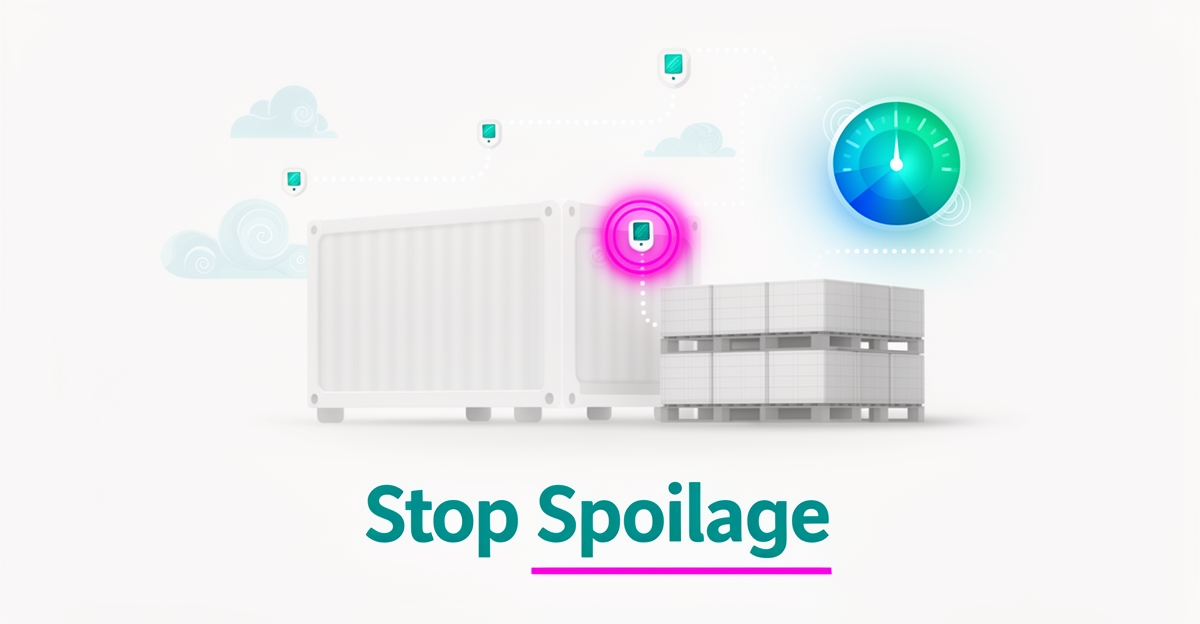
Cold chain logistics demands constant vigilance to prevent product spoilage, and AI-powered sensors provide the precision needed for real-time integrity. These wireless sensors transmit temperature data on a continuous cycle with tight accuracy tolerances, ensuring deviations are detected immediately rather than discovered hours later during manual checks. This level of monitoring transforms passive oversight into active protection for temperature-sensitive goods throughout transit and storage.
When temperatures breach safe thresholds, the system triggers SMS or voice alerts within minutes, enabling rapid intervention before spoilage occurs. This immediate response capability significantly reduces waste by allowing logistics teams to address cooling failures proactively, turning potential losses into manageable incidents. Closed-loop feedback keeps conditions stable in a way manual methods—dependent on shift timing and human attention—routinely miss.
Beyond preventing spoilage, AI monitoring generates audit-ready logs essential for HACCP compliance and customer trust. These verifiable records replace error-prone manual spreadsheets with digital trails that support regulatory audits and quality investigations. For businesses focused on strengthening client relationships through reliable service, this technology demonstrates a commitment to product integrity that directly impacts retention and satisfaction. AIQ Labs integrates such monitoring capabilities into broader logistics workflows, ensuring seamless operation from sensor to insight.
Integrating AI Temperature Monitoring into Logistics Workflows with AIQ Labs
Moving from reactive damage control to proactive risk management requires more than just installing hardware; it demands a strategic integration of sensors, data, and human workflows. By embedding AI-driven monitoring directly into logistics operations, businesses transform raw temperature readings into actionable intelligence that protects product integrity around the clock.
The implementation process begins with a site assessment to identify critical control points, such as cold storage units or refrigerated transport zones. Sensors should be placed where temperature fluctuations matter most, with waterproof external probes inserted into the cooled environment while the sensor unit remains accessible. This setup ensures accurate readings without requiring complex wiring or disrupting existing infrastructure.
Once sensors are positioned, the next step involves defining precise temperature thresholds for each asset. AI systems excel here, maintaining tight accuracy through closed-loop feedback—a stark contrast to the wide variance common in manual checks. Configuring alerts is equally critical; modern systems can trigger SMS or voice notifications within minutes of a breach, providing the exact reading and the limit exceeded so teams can intervene immediately.
Data integration completes the workflow. Cloud-based dashboards centralize real-time monitoring, historical graphs, and audit trails, replacing error-prone manual logs with verifiable digital records. This centralization supports compliance with standards like HACCP and enables multi-location oversight from a single interface. Key steps in this phase include:
- Connecting gateways via LTE, Wi-Fi, or LoRaWAN with UPS backup for power resilience
- Syncing sensor data to a cloud platform for 24/7 visibility
- Automating report generation for regulatory audits and customer assurance
- Setting up escalation protocols for after-hours alerts
This is where AIQ Labs steps in as a full-stack partner. Rather than offering a standalone tool, the team rebuilds the one workflow that costs you the most—typically on a fixed price, phased basis—so you own the system outright, integrating temperature monitoring with existing logistics software, CRMs, and communication platforms. The approach ensures that alerts don't just notify—they trigger predefined workflows, such as dispatching a technician or rerouting a shipment.
Beyond the initial build, AIQ Labs provides managed [AI Employees](/ai-employees) for ongoing oversight. These aren't simple chatbots; they are production-grade agents across 99+ roles that monitor dashboards, analyze trends, and flag equipment anomalies before they become failures—at a fraction of the cost of an additional human hire. Payment models are straightforward: start monthly, build in milestones, or own it outright. No subscriptions stacked on subscriptions.
The result is a logistics operation where temperature control becomes a seamless, automated layer of the customer journey. Clients receive consistent, high-quality products, and businesses build the kind of trust that drives long-term retention. By owning the system outright and leveraging AI for continuous improvement, companies turn a compliance requirement into a competitive advantage.
Still paying for 10+ subscriptions that don’t talk to each other?
We build custom AI systems you own outright. No vendor lock-in. Full control.
Not sure where to start? Ask our AI planner
Frequently Asked Questions
How quickly can AI temperature monitoring alert me to a cold chain breach?
Is AI monitoring really more accurate than manual checks?
Can temperature problems really be missed if products look fine?
What does a typical AI cold chain setup cost?
Will AI temperature monitoring help with HACCP compliance?
Do I need to rip out my existing logistics software to use AI monitoring?
From Temperature Gaps to Trusted Cold Chain
Manual checks leave cold chain logistics exposed to wide temperature swings, human error, and hours-long blind spots where spoilage can start undetected. AI-powered sensors change that equation with continuous, high-precision readings and alerts within minutes, turning reactive damage control into proactive risk management. By embedding continuous monitoring, closed-loop alerts, and audit-ready logs into existing workflows, teams can intervene before a minor deviation becomes a recall, protect product integrity, and strengthen client trust with verifiable HACCP-aligned histories. The next step is practical: map your critical control points, define thresholds per asset, and integrate sensor data into a centralized dashboard with escalation protocols. AIQ Labs helps logistics teams own a custom-built monitoring layer that connects sensors to workflows and communication platforms rather than adding another subscription. Start the two-minute Fit Check at [aiqlabs.ai/apply](/apply) to book a free 30-minute strategy call and identify the highest-ROI automation opportunities in your cold chain.
Make AI your competitive advantage — not just another tool.
Strategy, implementation and ongoing optimization. One partner, end to end.
Not sure where to start? Ask our AI planner