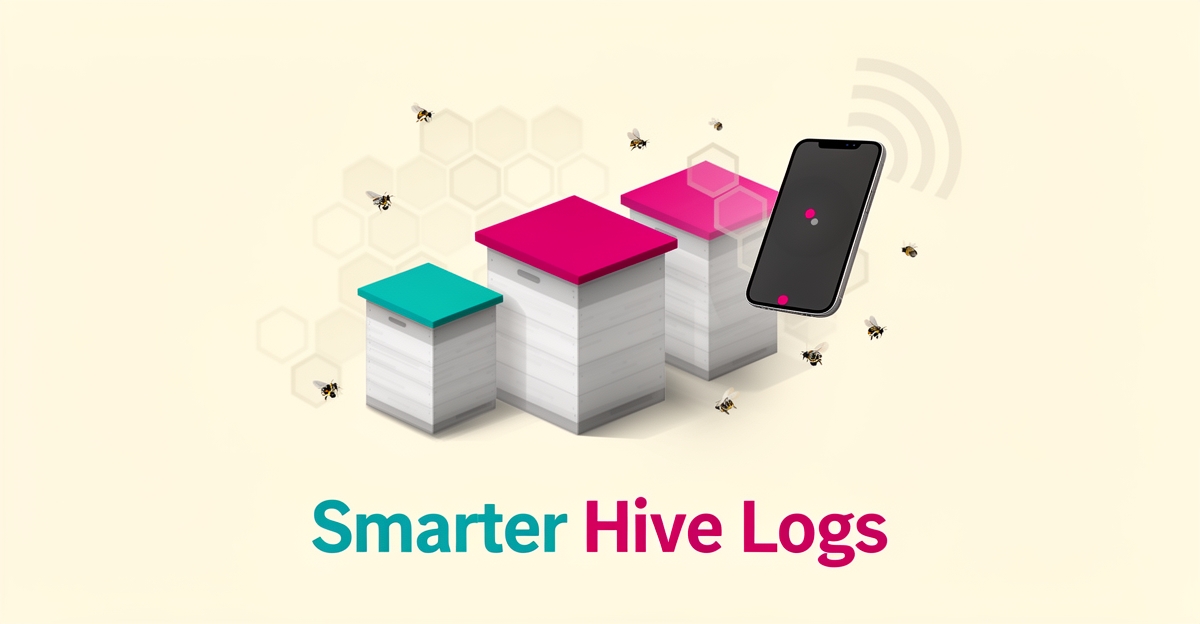
How an AI Beekeeper Assistant Can Handle Routine Inspections and Logs
Key Facts
- Manual hive inspection logging typically consumes 8-12 hours weekly for active beekeepers, based on automation research into the profession.
- Voice-first inspections reportedly cut recording time roughly in half for sideliner-scale beekeeping operations.
- Multi-agent AI systems can monitor colony health, varroa levels, and swarm risk continuously between physical inspections.
- AI analysis of inspection history can flag subtle trends—declining brood patterns, slowing population growth, rising mite counts—before they become emergencies.
- Voice AI trained on beekeeping vocabulary understands terms like varroa mite count and supersedure cell, and can work offline at remote apiaries.
- A phased rollout—task mapping, prompt templates, then first automation—guides AI Hive Inspector deployment over roughly 90 days.
Hire a team member that works 24/7 — for less than a part-time wage.
AI receptionists, SDRs, dispatchers and 99+ roles. Trained on your business, fully managed.
Not sure where to start? Ask our AI planner
The Hidden Cost of Manual Hive Documentation
Every beekeeper knows the rhythm: crack the hive, assess the frames, reach for the notebook — then fumble with gloves, sticky fingers, and a touchscreen that won't respond. That friction adds up. Automation research into beekeeping workflows suggests traditional inspection logging typically consumes 8-12 hours weekly for active beekeepers, turning hands-on work into after-hours data entry.
The workflow disruption is more than inconvenient. Removing gloves mid-inspection breaks your focus and unsettles the colony. Voice-first tools were built specifically to solve this, letting beekeepers speak observations naturally while keeping hands on frames. The payoff beekeepers describe most often is simple: the paperwork is done before the hive is even closed.
Inconsistent records create a deeper problem. When documentation depends on memory at day's end, subtle patterns slip through — declining brood patterns, slowing population growth, mite count trends that signal trouble weeks before a crash. AI analysis of inspection history can surface insights that would take hours of spreadsheet work to uncover, but only if the underlying data is complete and timely.
- Glove removal and touchscreen handling disrupt inspection flow and colony calm
- Post-inspection paperwork delays lead to forgotten details and missed early warnings
- Inconsistent logging prevents trend detection across weeks and seasons
- Offline apiaries make real-time digital entry impossible without specialized tools
AIQ Labs deploys managed AI employees like the AI Hive Inspector that handle routine logging around the clock, maintaining consistent documentation without human fatigue. These systems can work offline at remote apiaries and sync automatically when connectivity returns — critical for operations where signal drops at the tree line. The result: beekeepers reclaim their evenings and their focus, while colonies benefit from earlier intervention grounded in complete, structured records. See how AI Employees work in practice.
How AI Hive Inspectors Enable Hands-Free, 24/7 Hive Management
The most dangerous moment for hive records isn't misplacing a notebook — it's trying to type on a sticky phone screen with gloves on while bees are flying. Voice-first AI inspection systems solve this by letting beekeepers speak naturally during inspections, with the AI capturing every observation in real time. Voice-controlled beekeeping platforms report that hands-free inspections can cut recording time roughly in half for sideliner-scale operations.
What makes these systems work isn't just speech-to-text — it's speech recognition trained specifically on beekeeping vocabulary. Terms like "varroa mite count" or "supersedure cell" that trip up general voice assistants are understood natively. A typical interaction flows like this: the beekeeper says "Queen spotted — marked blue, 2026," and the system confirms and moves straight to brood pattern assessment. Crucially, the technology can also work offline at the apiary, syncing automatically when connectivity returns — essential for remote outyards where cell signal is unreliable.
Once the voice data is captured, multi-agent AI systems take over the analysis. Rather than relying on a single model, these platforms deploy specialized agents working in parallel — combining rule-based monitors for colony health, varroa, and swarm risk with AI models that process vision, voice, and language data. The result is monitoring that never sleeps — even between physical inspections. AIQ Labs has deployed 200+ multi-agent systems of this kind, and runs four live SaaS products daily to prove the approach holds up under real workloads.
This is where plain-language querying changes the game. Instead of digging through spreadsheets, beekeepers can simply ask, "Which hives need treatment?" or "Show me hives that haven't been inspected in three weeks," and get data-driven answers instantly. The AI also surfaces patterns humans miss: analysis of inspection data can detect subtle trends like declining brood patterns or slower hive growth and issue early warnings before problems become emergencies — for example, flagging that a hive's varroa load is trending up after a board photo analysis.
The practical capabilities stack up quickly:
- Natural-language Q&A across inspection history, queen records, and treatment schedules
- Predictive alerts that forecast colony health issues days or weeks in advance using historical data and local weather
- Automatically generated inspection routes and task lists for field teams
- Integration with existing hive sensors and legacy hardware — no equipment swap required
It's worth noting that these systems work best as decision-support tools, not replacements for the beekeeper's judgment, veterinary advice, or regulatory obligations. The AI flags issues and suggests actions; the beekeeper stays in command. That's the same philosophy behind managed AI employees like AIQ Labs' AI Hive Inspector, which handles routine logging and issue-flagging around the clock so beekeepers can stay present with their bees — and focus on hive health and growth rather than paperwork.
From Inspection Data to Proactive Hive Health Management
Raw inspection notes become a liability when they stay in notebooks. An AI beekeeper assistant turns those scattered logs into continuous hive health intelligence that works while you're in the field.
Voice-first capture removes the friction of writing. Hands-free hive inspections let beekeepers speak naturally while tending bees without removing gloves or handling sticky touchscreens, and voice inspections reportedly cut recording time roughly in half for sideliner-scale operations. The system is trained to understand beekeeping-specific terminology including terms like "varroa mite count" and "supersedure cell".
Once captured, data is analyzed for patterns humans miss. AI tools can analyze inspection history, queen records, and hive data to provide personalized insights and recommendations. AI excels at finding patterns in large data sets, and when applied to beekeeping data, it can surface insights that would take a human hours of spreadsheet analysis to discover. Early warnings emerge from subtle trends such as declining brood patterns or slower hive growth.
Predictive monitoring adds a 24/7 layer. Multi-agent systems function as a digital apiarist, continuously monitoring colony health, varroa mite levels, and swarm risks without human intervention. They can forecast colony health issues days or weeks in advance using historical data and local weather patterns, and automatically generate optimized inspection routes and task lists for field teams.
Health scoring makes status instantly readable. Modern hive-management platforms display at-a-glance health metrics per hive and track varroa mite levels with specific percentage readings, with zone-based recommendations personalized to local conditions and hardiness zones.
The workflow from data to action looks like this:
- Voice logging and QR/NFC hive tags instantly access full history, inspections, treatments, queen records, and health scores
- AI chat assistant parses voice notes, generates on-demand summaries, and delivers a daily briefing across all apiaries
- Predictive analytics flag mite count increases, brood declines, and swarm risk before they escalate
- Optimized inspection routes and zone-based recommendations reduce travel time and focus attention where it matters
This is the kind of routine inspection and logging work that managed AI employees can own. AIQ Labs deploys managed AI employees like an AI Hive Inspector that work 24/7 to maintain consistent documentation, freeing beekeepers to focus on hive health and growth. The assistant handles daily inspections, logs observations, and flags potential issues so decisions stay with the beekeeper.
Consistent data creates compounding value. Beekeepers using voice-first tools report more consistent care, earlier problem detection, and healthier colonies season after season.
Deploying Your AI Hive Inspector: A Practical Path Forward
Beekeepers looking to automate routine inspections can start by mapping their most repetitive tasks—like logging brood patterns, tracking queen sightings, or recording treatment schedules. A practical framework is to classify activities into simple routine (data entry), text routine (voice notes), and decision routine (flagging varroa risks) layers, then prioritize the automations that save the most time. Automation research suggests this approach can help beekeepers reclaim 8-12 hours per week by eliminating manual documentation bottlenecks.
Next, set up voice prompt templates tailored to your inspection workflow—such as "Queen spotted—marked blue, 2026" or "Brood pattern: solid, 5 frames"—which the AI Hive Inspector processes using natural language understanding trained on beekeeping terminology. With AIQ Labs' Start Monthly model, setup includes tool connections to CRMs (like HubSpot or Salesforce), calendars (Google Calendar), and storage systems, all managed under a flat monthly plan that typically costs far less than a human hire. The system works offline at the apiary and syncs when connectivity returns, ensuring no data loss in remote locations. Voice-first tools have been shown to cut recording time significantly for sideliner-scale operations, allowing beekeepers to stay present with their hives.
Finally, a phased rollout—typically around 90 days—guides deployment: Weeks 1–2 focus on task mapping and prompt creation; Weeks 3–6 add advanced templates for treatment tracking and queen lineage logging; Weeks 7–12 activate the first automation to sync inspection logs with CRM records and trigger follow-up tasks. Throughout this process, AIQ Labs provides ongoing management—monitoring performance, refining prompts, and optimizing tool integrations—so the AI Hive Inspector evolves with the apiary's needs. If you'd rather rebuild one high-cost workflow end to end at a fixed price, a Workflow Build may be the better fit. This structured path ensures consistent documentation, early issue detection, and more time for beekeepers to focus on colony health and growth.
Still paying for 10+ subscriptions that don’t talk to each other?
We build custom AI systems you own outright. No vendor lock-in. Full control.
Not sure where to start? Ask our AI planner
Frequently Asked Questions
How much time does manual hive logging actually take beekeepers?
Can I use an AI beekeeper assistant when I have no cell signal at my apiary?
Will an AI really understand beekeeping terms like varroa mite count or supersedure cell?
Is the AI replacing my judgment or just helping with paperwork?
What kind of early warnings can AI spot from my inspection logs?
How does voice logging fit into a full hive health workflow?
From Hive Inspections to Healthier Harvests: The AI Advantage
This article has shown how voice-first AI assistants eliminate the friction of manual hive logging—saving beekeepers hours every week by capturing observations hands-free while tending colonies. By enabling consistent, real-time documentation and deploying specialized AI agents for 24/7 monitoring, these tools surface subtle trends like declining brood patterns or rising mite counts before they become crises. This shifts beekeeping from reactive firefighting to proactive hive health management, directly supporting colony resilience and seasonal productivity. For beekeepers ready to reclaim their focus and build a data-driven apiary, the next step is exploring how managed AI employees like AIQ Labs' AI Hive Inspector can integrate into your workflow. Start with a free strategy session to map your highest-impact automation opportunities—no obligation, just clarity on where AI can save you time and strengthen your hives. Book your free 30-minute strategy call to see how this works for your operation.
Make AI your competitive advantage — not just another tool.
Strategy, implementation and ongoing optimization. One partner, end to end.
Not sure where to start? Ask our AI planner