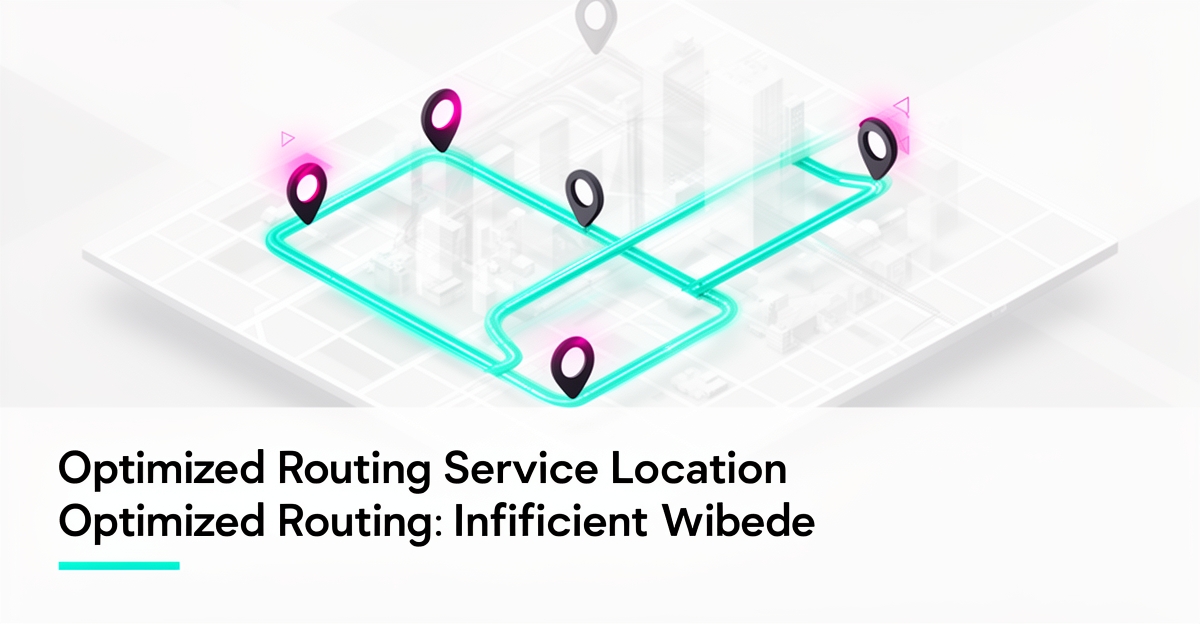
How an AI Dispatcher Can Optimize Technician Routing and Reduce Idle Time
Key Facts
- AI dispatchers cut idle time by dynamically rerouting technicians in real time as traffic, job urgency, and availability change
- Route planning that takes a dispatcher up to 90 minutes per day can be generated by AI in seconds
- Algorithmic route optimization typically reduces total fleet mileage and fuel costs by double-digit percentages
- Better travel-time estimates and live traffic awareness improve time-window compliance, protecting SLAs and customer trust
- Field service teams typically fit more service calls per day into the same fleet once travel time drops
- AIQ Labs has deployed 200+ multi-agent systems, including dispatch operations, and runs 4 live SaaS products daily
Hire a team member that works 24/7 — for less than a part-time wage.
AI receptionists, SDRs, dispatchers and 99+ roles. Trained on your business, fully managed.
Not sure where to start? Ask our AI planner
The Hidden Cost of Manual Technician Dispatch
Most field service businesses don't realize how much money evaporates between job sites. Manual dispatch relies on static routing and human intuition, which cannot account for real-time traffic, shifting job urgency, or technician availability across dozens of daily stops.
The problem compounds fast. Dispatchers can lose up to 90 minutes per day just planning routes that AI can generate in seconds. Static routes ignore live traffic and weather, emergency jobs displace scheduled work without automatic resequencing, and idle windows between stops erode revenue per truck. Across a fleet handling dozens of stops per route, even small inefficiencies add up to serious money.
- Static routes ignore live traffic and weather, forcing technicians into avoidable delays
- Poor real-time adaptation means emergency jobs displace scheduled work without automatic resequencing
- Underutilized technician time creates idle windows that erode revenue per truck
- Missed service windows damage customer trust and trigger SLA penalties
These inefficiencies are why more field service operators are moving from reactive scheduling to predictive routing. AIQ Labs builds AI dispatch systems that ingest real-time traffic, job priority, and crew availability to assign work dynamically — cutting idle time and keeping more of every technician's day billable. For businesses that want to protect margins, the shift from manual sequencing to AI-assisted dispatch is no longer optional. If dispatch is your most expensive workflow, it may be the right candidate for a focused AI Workflow Build.
How AI Dispatchers Optimize Routing in Real Time
Modern AI dispatch systems transform technician routing by processing live data streams to make split-second assignment decisions. These platforms continuously analyze traffic patterns, job urgency, technician skills, and real-time availability to dynamically allocate work and adjust routes as conditions change. This real-time optimization eliminates the lag between planning and execution that plagues manual dispatch methods.
Algorithmic route optimization typically reduces total fleet mileage by minimizing unnecessary travel, and it cuts daily route planning time from up to 90 minutes down to seconds, freeing dispatchers to focus on exception handling and strategic coordination rather than manual scheduling. Those efficiency gains translate directly into lower operating costs and improved technician utilization.
AI dispatchers excel at balancing competing priorities by weighing multiple factors simultaneously when assigning jobs. The technology considers technician certification levels, proximity to job sites, estimated travel time, and service-level agreement deadlines to ensure the right person arrives at the right job on time. This multi-variable optimization prevents both overqualified technicians from handling simple tasks and urgent jobs from being delayed due to poor routing.
- Real-time traffic integration for dynamic rerouting
- Skill-based technician-job matching
- Urgency scoring for emergency vs. routine work
- Availability tracking including breaks and shift changes
- Continuous optimization as new jobs enter the queue
AIQ Labs implements these capabilities through custom AI dispatcher builds that integrate with existing field service tools to create seamless operational workflows. The systems learn from historical performance data to improve routing accuracy over time, adapting to seasonal patterns and recurring traffic bottlenecks. This ongoing optimization ensures dispatch efficiency compounds rather than plateaus after initial implementation.
The result is a dispatch function that responds instantly to changing conditions while maintaining optimal resource allocation across the entire technician fleet. By eliminating idle time between jobs and reducing unnecessary travel, AI-powered routing delivers measurable improvements in both cost efficiency and service reliability.
Measurable Gains: Utilization, Compliance, and Cost Reduction
Field service leaders measure dispatch success in minutes saved, jobs completed, and cost avoided. AI routing turns those metrics from aspiration into daily performance, aligning technician availability with real-time demand and traffic.
AI-powered dispatch systems deliver utilization gains by compressing planning time and expanding capacity. Route planning that takes a dispatcher up to 90 minutes per day can be completed by AI in seconds. That time savings converts directly into more billable work — field service teams using AI routing typically fit meaningfully more service calls into each day without adding trucks or headcount.
Resource utilization improves alongside compliance. Better travel-time estimates and live traffic awareness substantially improve time-window compliance compared to static, manually planned routes. Higher compliance reduces callbacks, protects service-level agreements, and strengthens customer satisfaction without adding headcount.
Cost reduction follows from smarter miles and fuel use. Optimized routing typically reduces total fleet mileage and fuel costs by double-digit percentages. Fewer miles also mean lower vehicle wear, less overtime from late arrivals, and reduced dispatcher workload.
In practice, AI dispatchers use real-time traffic, job urgency, and technician availability to assign work efficiently. AIQ Labs deploys AI-powered dispatch systems that cut idle time, improve technician utilization, and ensure no job is missed due to poor routing. This aligns with the broader market shift toward automation across field service operations as of late 2026.
Quantifiable gains typically appear across three areas:
- Utilization: More stops per day and reduced planning time free technicians for revenue work.
- Compliance: Higher on-time arrivals within promised windows improve retention and review scores.
- Cost: Lower mileage and fuel use reduce operating expense while maintaining service levels.
The combination of faster scheduling, better adherence, and lower travel cost creates a compounding effect. Dispatchers focus on exceptions instead of manual sequencing, technicians spend more time on site, and customers receive reliable ETAs. For SMB field operations, that translates into stronger margins and a more responsive service brand without proportional increases in labor.
Implementing AI Dispatch: From Assessment to Ongoing Optimization
Implementing AI dispatch begins with a clear assessment of current field service operations, identifying bottlenecks in technician routing and idle time. AIQ Labs starts with a 2-minute Fit Check, followed by a free 30-minute strategy call to evaluate readiness, map workflows, and pinpoint high-ROI opportunities such as inefficient scheduling or missed time windows. This phase ensures the solution aligns with business goals before any development begins.
During development and integration, the AI dispatcher is built to connect with existing CRM, telematics, and scheduling tools using secure API integrations. Data on technician availability, job urgency, customer locations, and real-time traffic flows into the system, enabling intelligent task assignment. Optimized paths and dynamic re-routing are what drive the mileage and fuel savings described above.
Deployment includes role-specific training for dispatchers and technicians, ensuring smooth adoption and minimizing resistance to change. AIQ Labs provides documentation, performance monitoring setup, and ongoing support during go-live. Once live, the system continuously learns from job completion data, traffic patterns, and technician feedback to refine routing decisions. Over time, businesses typically see improved resource utilization as technicians spend less time traveling and more time on jobs. Ongoing optimization ensures the AI dispatcher evolves with the business, maintaining peak efficiency and ROI.
AIQ Labs offers flexible ways to engage: start monthly with an AI Employee handling dispatch, rebuild the dispatch workflow itself with a fixed-price AI Workflow Build, or go further with a full AI Operating System that connects dispatch with the rest of your operation. Payment models are straightforward — Start Monthly, Build in Milestones, or Own It Outright — with no lock-in surprises.
Still paying for 10+ subscriptions that don’t talk to each other?
We build custom AI systems you own outright. No vendor lock-in. Full control.
Not sure where to start? Ask our AI planner
Frequently Asked Questions
How much money can an AI dispatcher actually save on fuel and mileage?
Will an AI dispatcher work with my existing scheduling software?
How much time does AI actually save on route planning?
What happens when an emergency job comes in—can AI adjust routes in real time?
How does AI improve on-time arrivals and customer satisfaction?
Is my field service business too small to benefit from AI dispatch?
From Idle Trucks to Billable Hours
Manual dispatch is quietly eroding margins through wasted mileage, lost planning time, and missed windows. AI changes that equation by turning real-time traffic, job urgency, and technician availability into instant, optimal assignments that cut idle time, lift utilization, and raise time-window compliance. The result is fewer unnecessary miles, more service calls per day, and dispatchers freed from repetitive sequencing to focus on exceptions. For field service teams handling dozens of stops per route, these gains compound quickly and protect revenue without adding headcount. AIQ Labs builds AI dispatch systems that ingest live data and learn from historical performance to keep routing efficient over time — with 200+ multi-agent systems deployed and 4 live SaaS products run daily, the proof is in the operation. If you're ready to see where routing waste is hiding in your operation, start the 2-minute Fit Check at aiqlabs.ai/apply, then book a free 30-minute strategy call at aiqlabs.ai/book to map your biggest bottleneck and identify high-ROI automation opportunities. You can also reach the team directly at [email protected].
Make AI your competitive advantage — not just another tool.
Strategy, implementation and ongoing optimization. One partner, end to end.
Not sure where to start? Ask our AI planner