How an AI Game Coordinator Can Improve Match Flow and Reduce Wait Times
Key Facts
- Manual match analysis and coordination can consume several staff hours per match, pulling organizers away from flow management
- Automated scheduling tools have been reported to cut manual effort substantially and reduce scheduling conflicts in sports and esports settings
- Cloud-based check-ins have been associated with fewer last-minute withdrawals in youth sports programs
- AI Game Coordinators enable gaming facilities to host more sessions per hour with the same resources by removing human latency from match flow
- AIQ Labs has deployed 200+ multi-agent systems and runs 4 live SaaS products daily—the same automation patterns apply to match coordination
Hire a team member that works 24/7 — for less than a part-time wage.
AI receptionists, SDRs, dispatchers and 99+ roles. Trained on your business, fully managed.
Not sure where to start? Ask our AI planner
The Hidden Cost of Manual Match Coordination in Gaming Operations
Manual coordination in gaming venues and esports facilities creates a cascade of inefficiencies that erode both player experience and revenue potential. When staff must manually assign teams, monitor queues, and manage session lengths, bottlenecks form at every transition point between matches.
Industry reports on esports operations suggest coaches and organizers can spend several hours per match on manual analysis and administration, pulling them away from strategic oversight. This time sink compounds across tournaments and league play, where every minute of downtime represents underutilized capacity and lost throughput.
- Manual team assignment creates uneven skill distributions and extended pre-match negotiations
- Queue monitoring gaps leave stations idle while players wait for organizers
- Fixed session lengths waste court time when matches finish early or run long
- Staff coordination overhead scales linearly with venue size and event complexity
Organizations that adopt automated analysis and scheduling typically report faster strategy iteration and better match preparation efficiency. These gains translate directly to venue operations: when the analytical burden lifts, coordinators can focus on flow management rather than paperwork.
AIQ Labs approaches this as a workflow automation challenge — the same pattern we see across industries where repetitive coordination tasks consume disproportionate staff hours. An AI Game Coordinator handles dynamic team assignment, real-time queue monitoring, and adaptive session management simultaneously, eliminating the manual handoffs that stall match flow. It's the same approach behind our AI Employees and workflow builds.
How AI Game Coordinators Automate Match Flow Optimization
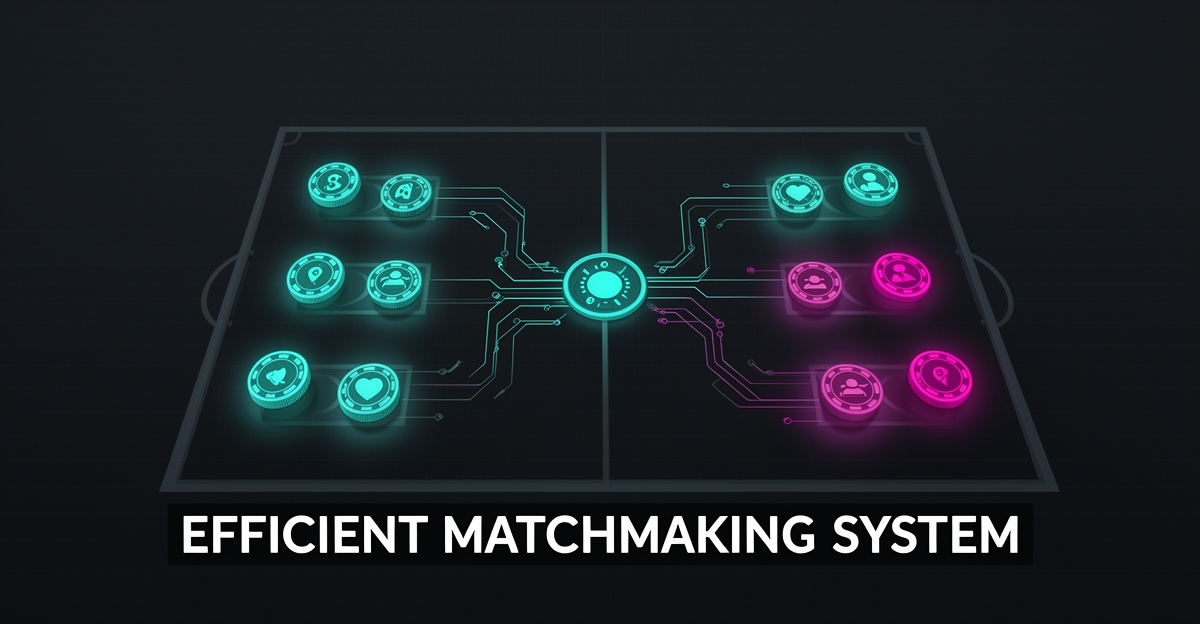
AI-powered game coordinators are transforming how esports operations run by dynamically optimizing match flow without constant human oversight. These intelligent agents continuously monitor player queues, assess skill balances, and assign teams in real time to minimize idle periods between matches. By analyzing incoming player data and historical session patterns, the system predicts optimal match durations and adjusts session lengths on the fly to keep gameplay flowing smoothly. This automation reduces the manual effort traditionally required by staff to manage schedules and resolve conflicts, directly improving throughput.
Automated scheduling tools have been reported to cut manual effort significantly while reducing scheduling conflicts, leading to more consistent match availability and fewer disruptions. AIQ Labs applies similar multi-agent frameworks in its AI Employee solutions, where specialized agents collaborate to handle complex workflows like scheduling, player matching, and session management. These agents operate continuously, learning from each match to refine assignment logic and queue priorities without needing reprogramming.
The system's ability to adapt in real time ensures that games start promptly, wait times stay low, and player satisfaction remains high. As queues fluctuate, the coordinator redistributes players across available servers or adjusts match types to maintain balance—preventing bottlenecks before they form. This level of responsiveness is only possible through AI-driven automation that treats match flow as a dynamic optimization problem rather than a static schedule. By removing human latency from the loop, the coordinator enables gaming facilities to host more sessions per hour with the same resources.
Implementation Framework: Deploying AI Game Coordinators with Measurable Impact
Match flow breaks down when queues pile up and staff are stuck manually rebalancing teams. An AI Game Coordinator removes that friction by automating assignment, queue monitoring, and session adjustments in real time.
Assessment starts with mapping current workflows, wait points, and integration touchpoints. Teams document how matches are scheduled, how teams are formed, and where delays typically occur. This baseline reveals automation opportunities and defines measurable targets for throughput and wait time reduction.
Deployment follows a phased approach that matches operational risk tolerance. The Start Monthly model places a managed AI Employee into the coordinator role with setup, training, tool integrations, monitoring, and improvements included in a flat monthly plan. The Build in Milestones model builds a custom coordinator system one workflow at a time, with approval and payment per phase and the ability to stop anytime while keeping everything built. For venues that want a full connected layer across scheduling, matching, and operations, the AI Operating System path builds it in phases and you own it outright.
Integration connects the coordinator to scheduling, CRM, and operations tools the team already uses. The agent pulls real-time player availability, pushes assignments to calendars, logs session data to the CRM, and surfaces alerts when queues exceed thresholds. This mirrors how AIQ Labs deploys intelligent agents that work alongside staff to ensure smooth, efficient gameplay without delays.
Performance tracking focuses on operational metrics that tie directly to player experience and revenue. Typical targets include:
- Average wait time per player between matches
- Sessions completed per hour across active courts or lanes
- Manual interventions required for team rebalancing
- No-show and last-minute withdrawal rate
Comparable automation in competitive sports has shown meaningful results: a 2024 pilot across youth sports clubs reported a substantial cut in manual scheduling effort, and cloud-based check-ins were associated with fewer last-minute withdrawals. Clubs adopting AI-assisted scheduling tools have reported fewer conflicts and better-prepared teams. Exact figures vary by program, so we recommend setting your own baseline and measuring against it rather than relying on industry averages.
With clear baselines, integrated tools, and measurable KPIs, the coordinator continuously learns from queue patterns and adjusts session lengths to maximize throughput while keeping play fair and engaging.
Still paying for 10+ subscriptions that don’t talk to each other?
We build custom AI systems you own outright. No vendor lock-in. Full control.
Not sure where to start? Ask our AI planner
Frequently Asked Questions
How does an AI Game Coordinator actually reduce wait times between matches?
What kind of time savings can gaming venues expect from automating match coordination?
Is an AI Game Coordinator only useful for large esports tournaments, or can small gaming centers benefit too?
How does the AI Game Coordinator integrate with existing tools like scheduling software or CRMs?
Will using an AI Game Coordinator make gameplay feel less fair or too rigid for players?
What measurable outcomes should I track to know if the AI Game Coordinator is working?
From Bottlenecks to Better Play
Manual match coordination creates the hidden drag on revenue and player experience — uneven teams, idle stations, and staff stuck rebalancing instead of optimizing flow. An AI Game Coordinator removes those handoffs by dynamically assigning teams, monitoring queues in real time, and adapting session lengths to keep courts and servers moving. The result is more sessions per hour, shorter wait times, and staff focused on experience rather than administration. AIQ Labs approaches this as workflow automation, deploying managed AI Employees that work alongside your team to handle scheduling, matching and session management continuously and learn from each match. If you're mapping wait points and throughput targets now, the next step is a clear baseline and integrated tools that surface alerts before bottlenecks form. Start the 2-minute Fit Check at aiqlabs.ai/apply, then book a free 30-minute strategy call to map your biggest bottleneck and identify high-ROI automation opportunities — we'll tell you if there isn't a clear win. You can start monthly, build in milestones, or own the system outright; details are on our pricing page.
Make AI your competitive advantage — not just another tool.
Strategy, implementation and ongoing optimization. One partner, end to end.
Not sure where to start? Ask our AI planner