How an AI Project Manager Can Streamline Client Onboarding and Scope Definition
Key Facts
- Manual intake and reactive scope definition are the two biggest sources of onboarding delay.
- AI-assisted intake typically reduces administrative back-and-forth significantly compared to manual processes.
- AI-generated scope documents and timeline estimates give teams reliable guardrails from day one.
- Early risk detection lets teams resolve scope ambiguities before they derail projects.
- Prescriptive onboarding playbooks eliminate decision fatigue for new clients.
- Human judgment stays in the loop—AI handles data processing, humans supply context and nuance.
Hire a team member that works 24/7 — for less than a part-time wage.
AI receptionists, SDRs, dispatchers and 99+ roles. Trained on your business, fully managed.
Not sure where to start? Ask our AI planner
The Onboarding and Scope Bottleneck Costing You Time
Client onboarding should create momentum. Instead, it often creates drag. Manual intake forms sit unanswered, requirements get clarified in endless email threads, and scope is negotiated reactively after work has already started.
The cost is real. Teams running manual onboarding typically spend hours on administrative follow-up for every new engagement, and every day of intake delay pushes back the first deliverable. The gap between status quo and AI-enhanced workflows shows up first in onboarding and scope definition.
Manual intake forces decision fatigue on clients. Open-ended configuration options lead to analysis paralysis before work even begins. Most onboarding failures happen before customers start, driven by overwhelming choices rather than clear guidance.
Reactive scope definition compounds the problem. Without structured requirements analysis, project managers rely on fragmented notes and assumptions. Timeline estimates built this way are typically far less reliable than those generated from structured, AI-assisted analysis—a difference that traces back to how scope is captured at intake.
The bottleneck shows up in three predictable ways:
- Intake delays from back-and-forth clarification and incomplete forms
- Scope creep from ambiguous requirements documented late
- Misaligned expectations when clients and teams start from different assumptions
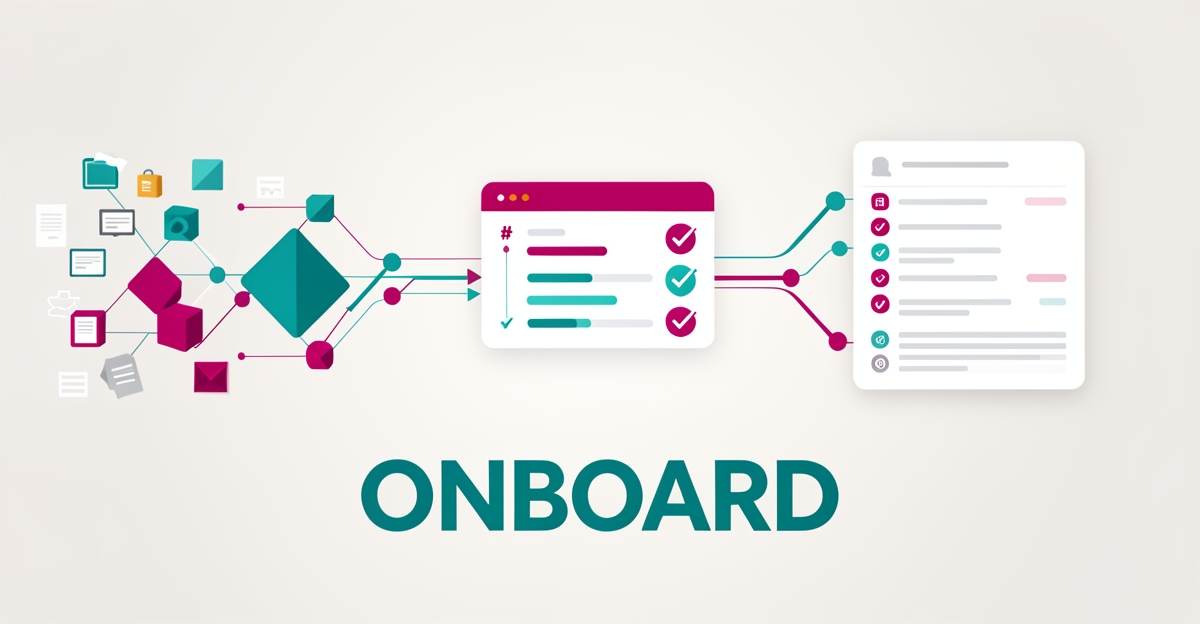
These frictions erode trust early. AI can shift onboarding from reactive to prescriptive by automating intake, analyzing requirements with minimal input, and generating initial scope documents that reflect best practices. In a client services context, this means mapping client types to proven configurations instead of asking clients to build from scratch.
AIQ Labs approaches this as collaborative automation, not replacement. An AI Project Manager can work as a partner to your team, ingesting intake responses, surfacing risks earlier than conventional monitoring, and producing structured scope artifacts that set clear expectations from day one. The result is less administrative overhead, faster time to first value, and onboarding that feels guided rather than burdensome. For teams that want this capability without hiring, a managed AI Employee can run intake and scope drafting as part of your existing operation.
How AI Project Managers Act as Collaborative Intake Partners
AI project managers are transforming client intake from a reactive process into a proactive partnership, using AI to analyze requirements and generate initial scope documents with minimal human input. This collaborative approach reduces onboarding time while setting clear expectations from the start, allowing teams to focus on strategic planning rather than administrative overhead. AIQ Labs' AI Employee model exemplifies this shift, deploying managed AI staff that work alongside human teams to streamline intake workflows.
AI-assisted planning typically improves the reliability of timeline predictions and scope definition because AI can process large volumes of requirement data and identify patterns that inform better scoping decisions. Teams using these tools consistently report meaningful reductions in administrative tasks, freeing project managers to engage more deeply with clients during initiation.
The collaborative intake partner model leverages AI to map client types to proven configurations, eliminating decision fatigue during onboarding. Project managers should act as translators who add value to AI capabilities—particularly during initiation and planning phases where AI analyzes requirements and drafts scope documents. This approach ensures clients receive prescriptive playbooks rather than overwhelming options, building confidence through guided, best-practice pathways.
AI also excels at early risk detection, identifying potential issues well before traditional monitoring methods would catch them, which allows teams to address scope ambiguities before they derail projects. By automating access to tools, providing targeted training, and creating early wins, AI project managers help clients achieve meaningful milestones quickly. This structured onboarding fosters trust and momentum, turning intake into a strategic advantage rather than a bottleneck.
From Chaos to Prescriptive Onboarding Playbooks
Most onboarding breakdowns happen before a client ever touches the product, buried under configuration choices that create analysis paralysis instead of momentum. The antidote isn't more flexibility — it's prescriptive playbooks that map customer types to proven configurations and present them as confident starting points, not open-ended questions.
AI transforms this dynamic by automating access, training, and template selection from day one. Instead of overwhelming new clients with infinite setup paths, an AI project manager analyzes initial requirements and generates tailored scope documents with minimal input, giving teams reliable guardrails from the start.
- Guided templates matched to client profiles eliminate decision fatigue
- Automated tool provisioning and targeted training accelerate first wins
- Customer-type mapping applies proven configurations as defaults
- Early milestone tracking builds confidence through visible progress
The impact compounds for distributed teams. Remote and hybrid organizations benefit especially from structured, step-by-step onboarding because they can't rely on hallway conversations to fill the gaps. By replacing configuration paralysis with structured processes, AI ensures best practices are followed from day one — whether the client is across the table or across time zones. AIQ Labs builds these prescriptive onboarding systems as part of custom AI Workflow Builds, embedding the intelligence that turns chaotic intake into a repeatable, high-confidence experience.
Implementation Blueprint for AI-Assisted Onboarding at AIQ Labs
Deploying an AI Project Manager for client onboarding and scope definition works best when treated as a structured rollout, not a tool purchase. The payoff is measurable: less administrative overhead, faster intake cycles, and scope documents both sides actually trust.
The first step is defining clear milestones for each new client. Rather than open-ended kickoff conversations, establish specific goals clients should reach within their first days or weeks so they experience early success and understand how their project fits the bigger picture. This mirrors the "first win in 30 days" philosophy that onboarding experts recommend over passive welcome materials.
Next, automate access and training. Guided workflows should provision the necessary tools, systems, and credentials immediately, so clients never sit idle waiting for setup. From there, provide guided templates tailored to project types. Most onboarding failures happen before customers even start using a product — usually because too many configuration choices create analysis paralysis. The fix is to map client types to proven configurations and present them as starting points.
The core of the deployment is requirements analysis. This is where an AI Project Manager earns its keep:
- Analyze intake inputs and generate initial scope documents with minimal manual effort
- Produce timeline predictions grounded in structured requirement data rather than guesswork
- Flag risks early, so scope ambiguities get resolved before they become delivery problems
- Draft prescriptive playbooks that replace endless configuration options with structured, best-practice paths
Human judgment stays in the loop throughout. The project manager's evolving role is as a translator who adds value to AI output — particularly during initiation and planning, where AI processes data at scale but humans supply context and stakeholder nuance.
Finally, establish feedback loops. Use AI analytics to identify patterns in client feedback and project outcomes, then refine templates and playbooks continuously. This is the model AIQ Labs applies when building custom AI employee and workflow systems: the AI Project Manager is deployed as a collaborative partner to your team, handling intake, scope drafting, and monitoring while your people focus on delivery. For organizations that want onboarding, delivery, and operations connected in one layer, an AI Operating System ties these capabilities together. Depending on the engagement, that capability can be delivered through a Start Monthly plan, phased Build in Milestones work, or a fully owned system under the Own It Outright model — with the client retaining control of the code, agents, and data.
Done well, the result is onboarding that sets expectations clearly from day one and a scope document both sides actually trust. If you want to see whether this fits your operation, the fastest path is a 2-minute Fit Check followed by a free 30-minute strategy call.
Still paying for 10+ subscriptions that don’t talk to each other?
We build custom AI systems you own outright. No vendor lock-in. Full control.
Not sure where to start? Ask our AI planner
Frequently Asked Questions
How much faster do projects get delivered when using AI project management tools compared to manual processes?
What reduction in administrative tasks do teams experience when using AI-powered project management tools?
How does AI improve the accuracy of timeline predictions in project planning?
Can AI really detect project risks earlier than traditional methods?
Do remote teams benefit more from AI project management tools?
Is AI meant to replace human project managers, or does it work as a collaborative partner?
Turning Onboarding Friction into Strategic Momentum
Client onboarding doesn't have to be a source of delays and misaligned expectations. By leveraging AI as a collaborative partner in intake and scope definition, teams can eliminate decision fatigue, cut administrative overhead, and accelerate delivery through clearer, more accurate planning. The result is faster time to value, stronger client trust, and a foundation built on prescriptive playbooks rather than guesswork. For businesses ready to move beyond manual bottlenecks, the next step is identifying where AI can make the most immediate impact. Start with a free strategy call to explore how an AI Project Manager can streamline your onboarding workflow and set projects up for success from day one.
Make AI your competitive advantage — not just another tool.
Strategy, implementation and ongoing optimization. One partner, end to end.
Not sure where to start? Ask our AI planner