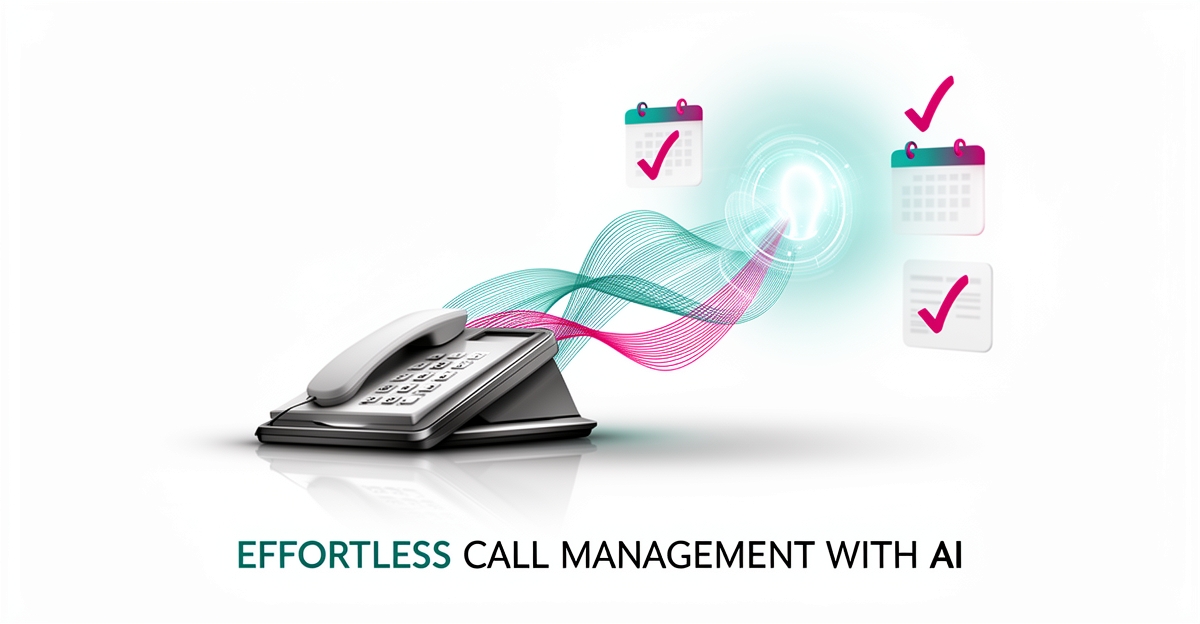
How an AI Receptionist Can Handle Patient Inquiry Volume During Peak Hours
Key Facts
- A single human receptionist can handle only one conversation at a time, making call queues inevitable during rush periods
- Industry analyses consistently report that a substantial share of patient calls during business hours go unanswered, with many callers hanging up before reaching staff
- Most front-desk interactions—scheduling, insurance triage, prescription routing, general inquiries—follow predictable patterns well suited to AI automation
- AI receptionists typically handle routine calls in a fraction of the time a human takes, since they never search for calendars, put callers on hold, or transfer internally
- AIQ Labs has deployed 200+ multi-agent systems, including managed AI receptionists that cost roughly 80% less than a comparable human hire
- Front-desk labor costs have risen steadily since 2020, making it increasingly expensive to staff for peak call volume
Hire a team member that works 24/7 — for less than a part-time wage.
AI receptionists, SDRs, dispatchers and 99+ roles. Trained on your business, fully managed.
Not sure where to start? Ask our AI planner
The Peak-Hour Call Crisis: Why Patients Hang Up and Revenue Leaks
Every morning at 9 AM, medical practices face a quiet crisis that drains revenue and exhausts staff. While front-desk teams juggle walk-ins, insurance verifications, and scheduling conflicts, the phones begin ringing with a volume that no human team can physically absorb.
Industry analyses of healthcare call patterns consistently find that a substantial share of patient calls during business hours go unanswered, and when callers do connect, hold times can stretch well past what patients will tolerate. The breaking point arrives quickly: many callers hang up before reaching a staff member, and some dial a competitor before the line even goes dead. This creates a perfect operational storm where demand peaks precisely when capacity hits its limit.
The financial impact is real even if the exact numbers vary by practice. Every abandoned call represents a lost new-patient opportunity, and those losses compound silently through the year. A practice missing even a modest number of calls each week is leaving measurable revenue on the table—revenue that a competitor with better phone coverage is happy to collect.
Three structural failures drive this crisis:
- The single-line bottleneck: Human receptionists can handle only one conversation at a time, creating an inevitable queue during rush periods.
- The labor cost squeeze: Front-desk labor costs have risen steadily since 2020, making it financially impossible to staff for peak volume.
- The after-hours void: When the office closes, practices lose evening and weekend inquiries entirely.
This is where AIQ Labs approaches the problem differently—not by replacing human staff, but by deploying managed AI employees that function as force multipliers during these exact pressure points. By handling unlimited simultaneous conversations, these AI receptionists eliminate hold times entirely, ensuring that no patient hears a busy signal or sits in queue while your team assists others.
The result transforms the front desk from a single-lane road into a multi-lane highway. Instead of choosing between answering the phone and checking in the patient standing at the counter, practices can capture every inquiry, book appointments in real time, and route urgent clinical matters to human staff with full context. When the morning rush hits, the AI absorbs the volume while your team focuses on the patients physically present—turning a daily revenue leak into a captured opportunity.
How AI Receptionists Eliminate Hold Times and Capture Missed Opportunities
During peak hours, medical practices face a critical bottleneck where staff can only handle one call at a time, leading to frustrating hold times and abandoned inquiries. AI receptionists eliminate this constraint by managing unlimited concurrent calls without fatigue, ensuring every patient receives an immediate response. Because the AI never puts a caller on hold, never searches for a calendar, and never transfers internally to check availability, routine calls are typically resolved in a fraction of the time a human needs—dramatically increasing throughput during high-volume periods. This efficiency lets practices triage inquiries faster while maintaining accuracy on routine tasks like scheduling and prescription refills.
This capability directly translates into recovered revenue from previously missed opportunities. Calls that would have gone unanswered during business hours get answered, qualified, and booked—turning lost chances into scheduled visits. For clinics that were missing a meaningful number of calls weekly, that recovery can represent thousands of dollars in monthly revenue. By handling routine interactions consistently, AI frees human staff to focus on complex, empathetic cases requiring clinical judgment—creating a hybrid model that improves both efficiency and patient experience.
- Handles unlimited simultaneous calls 24/7, eliminating hold times and busy signals
- Schedules appointments in real time by integrating directly with Practice Management Systems
- Routes routine tasks like prescription refills and insurance verification without fatigue
- Escalates emotionally complex or clinically sensitive calls to human staff seamlessly
- Resolves routine calls dramatically faster than human-only teams during peak periods
AIQ Labs' managed AI employee solutions embody this approach, deploying purpose-built agents that work alongside human teams to manage peak-hour demand without burnout. With 200+ multi-agent systems deployed, AIQ Labs builds receptionists that automate the predictable bulk of front-desk interactions, creating sustainable capacity where practices previously saw revenue leak through missed calls. The result is a front desk that never sleeps, never puts patients on hold, and consistently converts inquiries into appointments—even during the busiest hours of the day.
The Hybrid Model: AI for Routine Tasks, Humans for High-Value Patient Care
Peak-hour call spikes turn a busy front desk into a bottleneck, with patients waiting and staff stretched thin. A hybrid front desk model solves the volume problem without sacrificing care.
The division of labor is clear and consistent. Most front-desk interactions follow predictable patterns suitable for automation, including scheduling, insurance triage, prescription routing and general inquiries. The remainder involves escalations, emergencies and distressed patients that require genuine human judgment. AI handles the routine load, humans handle the exceptions.
That split protects both revenue and staff wellbeing. Because the AI resolves routine calls faster and never queues, staff reclaim hours each week previously lost to call handling, and practices typically see meaningful reductions in overtime and context-switching during peak periods.
In practice the hybrid model works as an inbound call management system where AI triages first and escalates intelligently:
- Routine scheduling, rescheduling and cancellations are booked directly into the Practice Management System
- Insurance verification and prescription refill requests are collected and routed for approval
- After-hours inquiries are answered 24/7 with immediate response and next-day booking
- Complex, emotional or clinical cases are transferred to a human with full context
This approach mirrors how AIQ Labs designs managed AI employee solutions for healthcare, deploying an AI Receptionist that works alongside human teams rather than replacing them. Staff shift from reactive call takers to proactive patient advocates, focusing on high-value care moments.
The result is higher capture and lower burnout. Practices using purpose-built AI receptionists recover appointments from calls that previously went unanswered, while human teams experience less context-switching and fatigue. The hybrid front desk delivers unlimited capacity for routine work and preserved empathy for what matters most.
Implementation Roadmap: From Shadow Mode to Full Deployment with AIQ Labs
Deploying an AI receptionist requires a strategic, phased approach rather than a sudden switch. A structured implementation roadmap ensures the technology integrates smoothly with existing workflows while maintaining the highest standards of patient care and data security.
The process begins with defining call intents and mapping workflows. Practices must identify which inquiries—such as scheduling, prescription refills, or billing questions—are suitable for automation and which require human escalation. Because most front-desk interactions follow predictable patterns, they are ideal candidates for AI handling. This initial mapping phase creates the foundation for a system that acts as a true force multiplier for administrative staff.
Next, the focus shifts to HIPAA-compliant setup and technical integration. Selecting a vendor that provides a Business Associate Agreement (BAA) and end-to-end encryption is non-negotiable for protecting patient health information. The AI must integrate deeply with existing Electronic Health Record (EHR) and Practice Management Systems (PMS) to enable real-time booking and data synchronization. This connectivity eliminates manual entry errors and ensures that patient records update immediately after every interaction.
Before going live, the system enters a shadow mode testing phase. During this period, the AI listens to calls or handles a small percentage of traffic without full autonomy, allowing administrators to validate response accuracy and refine conversational scripts. This cautious approach builds confidence in the technology's ability to handle diverse patient needs. Staff training runs parallel to this phase, equipping the front-desk team with the skills to manage escalations and review AI-generated context during handoffs.
AIQ Labs delivers this comprehensive implementation through its managed AI employee model, starting with the Start Monthly plan. This approach covers the build, training, tool integrations, and monitoring for a flat fee—typically around 80% less than the cost of a comparable human hire. The phased rollout includes:
- Discovery and architecture to align the AI with specific practice rules
- Shadow testing to validate performance before full deployment
- Continuous optimization based on weekly call outcome analytics
The financial argument for this structured deployment is compelling. A full-time human receptionist represents a significant annual salary plus overhead, while a managed AI employee from AIQ Labs runs for a predictable flat monthly fee—no benefits, no sick days, no turnover. Practices that recover even a handful of previously missed appointments each month typically find the system pays for itself quickly. See the pricing page for current payment models, including Start Monthly, Build in Milestones, and Own It Outright.
Ultimately, this roadmap transforms the front desk from a bottleneck into an efficient, scalable operation. By following a disciplined path from shadow mode to full deployment, practices ensure they capture every patient inquiry while allowing human staff to focus on high-value, empathetic care.
Still paying for 10+ subscriptions that don’t talk to each other?
We build custom AI systems you own outright. No vendor lock-in. Full control.
Not sure where to start? Ask our AI planner
Frequently Asked Questions
How much revenue can a medical practice lose from missed calls during peak hours?
Can an AI receptionist really eliminate hold times during busy periods?
What percentage of front-desk tasks can AI receptionists automate without human intervention?
How much faster is an AI receptionist at handling calls compared to a human?
Will patients prefer talking to an AI receptionist over a human for sensitive issues?
What is the typical monthly cost of an AI receptionist compared to hiring a human staff member?
Turn Peak-Hour Pressure Into Your Practice's Growth Engine
Peak hours don't have to mean missed patients and exhausted staff. When call volume outpaces what a human front desk can physically answer, revenue leaks every morning—and some of those callers ring your competitor next. AI receptionists eliminate that bottleneck by handling unlimited simultaneous calls, booking directly into your Practice Management System, and escalating only the complex, empathetic cases to your team. That hybrid model protects both capture and care, turning routine scheduling, refills and insurance triage into 24/7 capacity while freeing staff for high-value patient moments. If you're mapping call intents, HIPAA-compliant integration and a phased shadow-mode rollout, a managed AI employee approach from AIQ Labs makes implementation practical without replacing your front desk. Start with the two-minute Fit Check, then book a free 30-minute strategy call to map your biggest bottleneck and identify high-ROI automation opportunities.
Make AI your competitive advantage — not just another tool.
Strategy, implementation and ongoing optimization. One partner, end to end.
Not sure where to start? Ask our AI planner