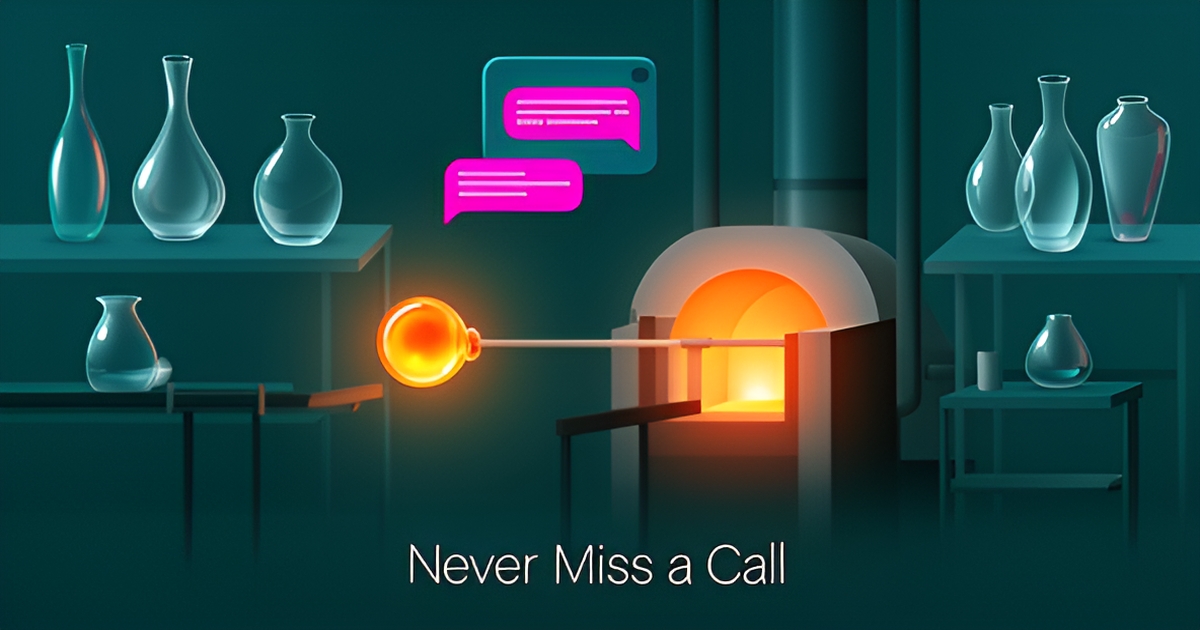
How an AI Receptionist Can Streamline Visitor Management at Your Glassblowing Studio
Key Facts
- AI adoption is now mainstream: as of 2025–2026, large majorities of companies report using AI in at least one business function, per widely cited industry surveys
- AI receptionist market pricing typically ranges from roughly $29–$149 per month for entry platforms to $79–$249 per agent per month for unlimited-minute services, as of late 2026
- Enterprise visitor management systems focus primarily on badge printing and compliance logging rather than conversational appointment handling
- Modern AI receptionists can be activated or deactivated at any time while still reserving the phone number, giving studios flexible coverage
- AI initiatives tend to stay stuck as pilots if nobody owns the outcome and the AI isn't set up to help employees in their day-to-day work
Hire a team member that works 24/7 — for less than a part-time wage.
AI receptionists, SDRs, dispatchers and 99+ roles. Trained on your business, fully managed.
Not sure where to start? Ask our AI planner
The Hidden Cost of Unmanaged Visitor Inquiries at Glassblowing Studios
When the phone rings in a glassblowing studio, it's not just a call—it's an interruption that can compromise safety, disrupt a delicate piece, and pull an artist away from billable work. Yet unanswered inquiries mean lost bookings, missed workshop sign-ups, and frustrated walk-ins who never return.
The operational strain is real. Small studios often rely on artists or part-time staff to juggle visitor coordination alongside production, creating a bottleneck where every missed call represents potential revenue walking out the door. AI adoption is now mainstream across industries—yet many creative businesses still handle inquiries manually, leaving money on the table.
The hidden costs accumulate quickly across three areas:
- Interrupted workflows that force artists to choose between safety protocols and customer service
- Inconsistent visitor experiences when part-time staff lack real-time schedule access or pricing details
- After-hours inquiries that go unanswered until the next business day, by which time prospects have booked elsewhere
- Double-booked demonstrations or workshop slots due to manual calendar management
Unlike enterprise visitor management systems designed for corporate security—which focus primarily on badge printing and compliance logging—glassblowing studios need fluid, conversational handling of appointments, class bookings, and tour coordination. The challenge isn't just tracking who enters; it's capturing intent before it evaporates.
AIQ Labs addresses this gap through AI Employees—managed AI receptionists that integrate directly with studio calendars and communication channels. Modern AI receptionists can manage appointment scheduling, answer calls, and handle inquiries across multiple languages—capabilities that small businesses are increasingly adopting to eliminate coverage gaps.
The result is a studio that maintains its creative flow without sacrificing accessibility. Artists stay focused on the torch while inquiries convert into confirmed bookings, and visitors receive immediate, accurate responses regardless of when they reach out.
How AI Receptionists Handle the Complete Visitor Journey
AI receptionists transform the visitor journey from first contact to departure by handling every step with precision and consistency. They answer calls 24/7, ensuring no inquiry goes unanswered whether it's 9 AM or midnight, which directly addresses the challenge of missed opportunities during off-hours. AI-powered receptionists can manage visitor inquiries, schedule appointments, and provide real-time information without overburdening staff, creating a seamless experience that keeps the studio running smoothly.
These systems excel at multi-step workflows like booking studio time while simultaneously checking class availability, processing payments, and sending confirmation details—all within a single interaction. Well-configured platforms demonstrate strong intent recognition and call routing, handling appointment changes and after-hours requests without excessive tuning or friction for callers. This efficiency reduces administrative load on artists who would otherwise juggle scheduling alongside creative work.
Beyond scheduling, AI receptionists serve as knowledgeable resources for common visitor questions about safety protocols, dress codes, material costs, and session prerequisites. They pull from studio-specific knowledge bases to provide accurate, consistent answers—eliminating the variability that comes with different staff members interpreting guidelines. When inquiries exceed their scope—such as complex custom commission discussions or technical glassblowing questions—the system intelligently routes calls to the appropriate human expert, ensuring visitors receive specialized attention while maintaining operational flow. This balanced approach allows studios to scale visitor management without sacrificing the personal touch essential to creative businesses.
Why Integration and Customization Matter More Than Features
Generic chatbots often fail in real-world studio environments because they lack the contextual understanding needed for specialized workflows. AI implementations frequently falter when they don't align with actual business processes, leading to friction and underutilization. This is especially true for creative spaces like glassblowing studios where visitor interactions involve nuanced scheduling, safety considerations, and artistic inquiries that off-the-shelf solutions cannot handle effectively.
The most successful AI receptionist deployments are those built around specific operational rhythms rather than chasing feature lists. Platforms that require excessive tuning or introduce caller friction tend to score poorly in real-world use regardless of their capability count, highlighting that seamless integration trumps superficial functionality. Studios benefit most when their AI system understands studio-specific terminology, knows peak blowing session times, and can intelligently route inquiries about custom commissions versus general tours.
True effectiveness comes from deep integration with existing tools and training on proprietary knowledge. AI receptionists that connect directly to studio calendars, material inventory systems, and customer relationship platforms reduce manual coordination and prevent double-booking errors. When the AI is trained on the studio's unique processes—such as annealing schedules, artist availability, and workshop prerequisites—it becomes a seamless extension of the team rather than an add-on that creates more work.
- Systems trained on studio-specific knowledge handle inquiries about glass types, blowing techniques, and safety protocols accurately
- Integration with scheduling tools enables real-time appointment booking without staff intervention
- Custom workflow automation reduces repetitive tasks like confirming visitor details or rescheduling due to kiln availability
AIQ Labs approaches this by building receptionists that are embedded in the studio's operational fabric, ensuring the technology adapts to the business—not the other way around. This focus on fit over features transforms visitor management from an administrative burden into a streamlined, experience-enhancing process.
Deploying an AI Receptionist Without Disrupting Your Studio
Deploying an AI receptionist in a glassblowing studio requires thoughtful planning to ensure it enhances rather than disrupts the creative workflow. Starting with a clear timeline helps set realistic expectations—most implementations take a few weeks from discovery to go-live, allowing time for system configuration and staff familiarization. During this phase, the AI is trained on studio-specific details such as class schedules, safety protocols for hot glass work, and common visitor questions about techniques or materials, ensuring it provides accurate, context-aware responses from day one.
Establishing clear escalation protocols is essential for handling complex situations the AI cannot resolve, such as custom commission inquiries or safety concerns. AI works best as a supportive teammate when human oversight is built into the process, with seamless handoffs to staff for nuanced conversations. This approach prevents frustration and maintains the personal touch that defines studio experiences, especially during peak visit times or when dealing with delicate artistic requests.
Measuring success involves tracking both operational metrics and visitor satisfaction—key indicators include reduced wait times, fewer missed calls, and positive feedback on the booking experience. Studios should begin with a gradual rollout, perhaps activating the AI during off-hours or for specific inquiry types before expanding to full coverage. This phased approach allows staff to build confidence in the system while maintaining control over the visitor experience, ensuring the technology supports rather than replaces the human connection central to a glassblowing studio's charm. AI-driven customer service guidance emphasizes that balancing automation with human empathy is crucial for maintaining service quality in creative environments, and industry evaluations consistently find that platforms requiring excessive tuning or introducing caller friction underperform regardless of feature count. Accountability matters too: AI initiatives succeed when they are built into daily workflows and help employees perform their jobs better, rather than operating as isolated technology projects. By treating the AI receptionist as a collaborative tool and monitoring its impact closely, studios can refine its role over time—freeing artists to focus on creation while ensuring visitors receive prompt, professional assistance every time they reach out. For studios ready to explore this balance, the two-minute Fit Check can clarify how an AI receptionist might fit into their unique operational rhythm.
The Real ROI: What Glassblowing Studios Gain from AI Reception
Visitor inquiries shouldn't compete with torch time. When the phone rings during a demo or a kiln firing, studios lose bookings and frustrate guests. An AI receptionist keeps the front door open without pulling artists off the bench.
The business case starts with availability. AI receptionists can typically be activated or deactivated at any time, with inactive receptionists not answering calls but still reserving the phone number—giving studios flexible coverage for open hours, workshops, and after-hours inquiries. Modern systems can answer calls, book appointments, transfer calls, take messages, and speak multiple languages in one deployment.
Cost pressure is real for small creative businesses. As of late 2026, market pricing for AI receptionist services typically ranges from roughly $29–$149 per month for entry platforms to $79–$249 per agent per month for unlimited-minute services. That range sits well below a part-time human hire and removes recruiting, training, and benefits overhead. AIQ Labs' managed AI Employees run at a fraction of the cost of a human hire—typically around 80% less—with monthly, milestone, or outright-ownership payment models.
Adoption is already mainstream. Surveys from 2025 onward consistently show large majorities of companies using AI in at least one business function, and the shift has moved from experimentation to operational reliance.
Customer experience improves when repetitive tasks are handled consistently. AI can act as a supportive teammate—handling repetitive tasks, generating personalized insights, and offering real-time guidance to improve service quality.
Accountability determines whether the technology delivers value. The real question is not about AI deployment but whether senior leaders are paying enough attention to how it is actually being used. If AI is not set up to help employees in their day-to-day work, and if nobody owns the outcome, it will stay stuck as a pilot.
Studios can ensure ROI by treating the receptionist as a managed workflow, not a gadget. Clear ownership and measurement keep the system aligned to visitor management goals.
- Define success metrics up front: missed call rate, booking conversion, average response time, and after-hours capture.
- Map studio-specific rules: class capacity, private session windows, tour scripts, and escalation paths to a human.
- Review performance regularly and retrain the system as seasons and offerings change.
- Integrate with calendar and booking tools so the AI books in real time, not just takes messages.
AIQ Labs designs AI receptionists as managed AI Employees that fit studio operations, reducing wait times and improving the visitor experience without overburdening staff. When accountability is built in, the receptionist becomes a revenue-supporting team member rather than unused technology.
Still paying for 10+ subscriptions that don’t talk to each other?
We build custom AI systems you own outright. No vendor lock-in. Full control.
Not sure where to start? Ask our AI planner
Frequently Asked Questions
How does an AI receptionist prevent missed calls from turning into lost revenue for a glassblowing studio?
Can an AI receptionist handle complex visitor questions about glassblowing techniques or safety protocols?
Will using an AI receptionist disrupt our studio's creative workflow or make visitors feel less welcomed?
What kind of ROI can a small glassblowing studio expect from implementing an AI receptionist?
How long does it take to deploy an AI receptionist in a glassblowing studio, and what's involved in the setup?
Do AI receptionists work with our existing studio tools like calendars and booking systems?
Keep the Torch Burning, Not the Phone Ringing
Glassblowing studios thrive when artists stay focused on the craft — not the calendar. An AI receptionist handles the steady stream of booking requests, safety questions, and after-hours inquiries so your team doesn't have to choose between a flawless pour and a returned call. The result is fewer missed opportunities, consistent visitor experiences, and a front desk that never clocks out. AI adoption is mainstream across business functions, and creative studios are no exception. Start by mapping your peak inquiry times, common questions, and escalation paths — then test an AI receptionist during off-hours to measure impact without disruption. AIQ Labs builds and manages AI Employees that integrate with your scheduling tools, learn your studio's rhythms, and scale with your season. Take the two-minute Fit Check at https://aiqlabs.ai/apply to see where an AI receptionist fits your workflow — no obligation, just clarity.
Make AI your competitive advantage — not just another tool.
Strategy, implementation and ongoing optimization. One partner, end to end.
Not sure where to start? Ask our AI planner