How an AI Tool Tracker Can Improve Returns and Reduce Lost Tools
Key Facts
- Manual tool tracking relies on sign-out sheets and memory, which means overdue equipment often goes unnoticed for days or weeks
- AI-powered tracking can automate most routine check-in and check-out steps, cutting the gap between a tool going missing and someone acting on it to hours
- Automated accountability typically reduces replacement purchases and the technician downtime spent searching for missing equipment
- AI tool trackers automate check-outs with barcode scans, RFID, or computer vision—no manual data entry
- Real-time alerts notify managers and borrowers the moment a tool becomes overdue or leaves a designated area
- A well-built tracker connects to the job management and inventory systems you already use, so it doesn't become another silo
Hire a team member that works 24/7 — for less than a part-time wage.
AI receptionists, SDRs, dispatchers and 99+ roles. Trained on your business, fully managed.
Not sure where to start? Ask our AI planner
The Hidden Cost of Lost and Unreturned Tools in Field Operations
Untracked tools in field operations create a ripple effect of inefficiency. When tools go unreturned or are lost, teams waste valuable time searching, jobs get delayed, and crews often resort to unnecessary replacements—driving up operational costs and eroding accountability. Without a system in place, manual logging and reliance on memory result in frequent errors, overdue equipment going unnoticed, and no real-time visibility into where assets are and who holds them.
The hidden costs extend well beyond replacement expenses. Delayed projects, technician downtime, and duplicated effort all contribute to lost revenue and strained client relationships. A missing tool discovered weeks later during an audit is not just a replacement line item—it's every job that waited, every crew that improvised, and every hour spent searching that nobody billed for. Over a season, those small leaks compound into a real margin problem.
The fix is the same intelligence that has transformed other back-office workflows: applying automation to a process that was previously run on paper and trust. Automated check-in and check-out workflows, real-time alerts, and ownership notifications turn a reactive loss problem into a proactive asset management advantage—ensuring the right equipment is where it's needed, when it's needed.
AIQ Labs builds custom AI systems that go beyond basic logging. Using multi-agent frameworks, these systems automate workflows, flag overdue returns, and notify stakeholders—turning a persistent operational drain into a streamlined, accountable process. If tool tracking is the workflow costing you the most, it's a strong candidate for a fixed-price Workflow Build.
Start the Fit Check — a free, no-obligation two-minute assessment to map your biggest bottleneck and identify high-ROI AI automation opportunities. If there isn't a clear win, we'll say so. Not a sales pitch—a real working session with an AI engineer.
How AI-Powered Tool Tracking Automates Accountability and Reduces Losses
Manual tool tracking is a silent profit killer. Every misplaced drill, unlogged saw, or forgotten return represents not just replacement costs, but hours of lost productivity and broken accountability. The same AI automation that has reshaped logistics and inventory workflows is now transforming how businesses track physical assets, turning chaotic tool rooms into automated, self-policing systems.
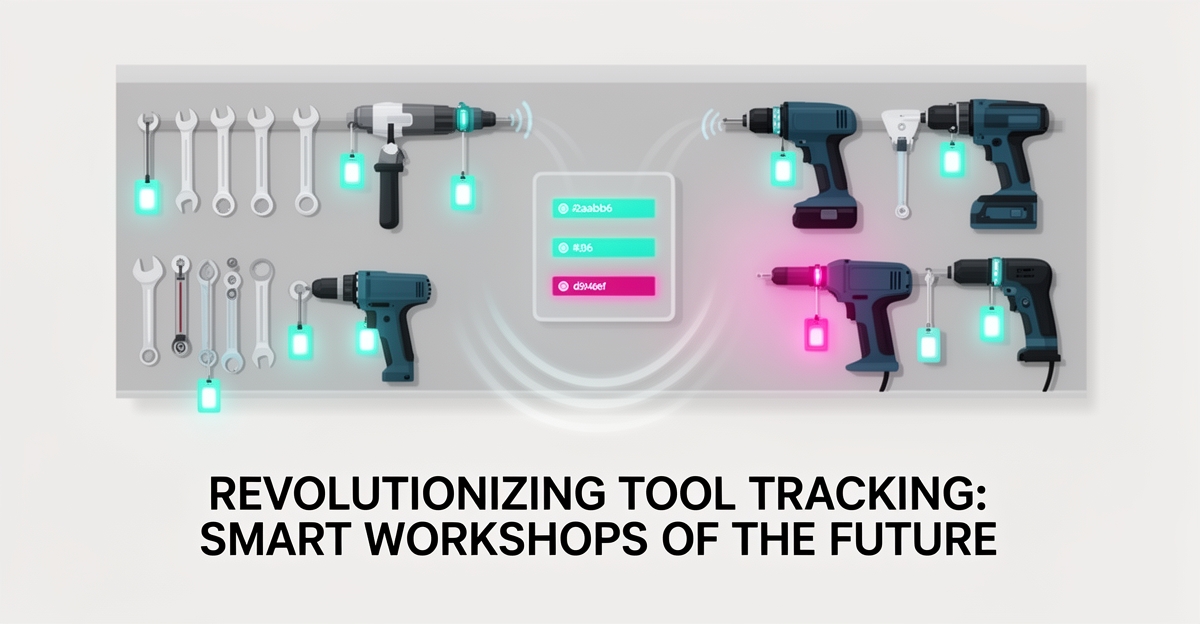
The core idea is simple: let the system handle the routine steps. Automation tracks check-outs, flags overdue items, and sends return reminders without anyone lifting a pen. Instead of relying on signout sheets or memory, the system knows exactly who has which tool and when it's due back.
The financial impact comes from two directions: fewer replacement purchases, and eliminated downtime spent searching for missing equipment. When a $500 torque wrench gets the same rigorous tracking as a $5 wrench, replacement spending stops being a recurring, unexamined cost.
Modern AI tool trackers leverage several key mechanisms to enforce accountability:
- Automated logging that records check-outs and returns via barcode scans, RFID, or computer vision without manual data entry
- Real-time alerts that notify managers and borrowers when tools become overdue or leave designated geofenced areas
- Smart return workflows that guide users through proper check-in procedures and update inventory instantly
- Predictive analytics that identify patterns of loss or misuse before they become expensive problems
Speed matters as much as accuracy. Manual tracking means a missing tool might go unnoticed for days or weeks—typically surfacing only during an audit. An automated system flags it the same day, triggering immediate notifications rather than a late discovery. The system essentially functions as a supervisor that never sleeps, watching every check-out and chasing every overdue return.
AIQ Labs builds custom tracking systems that integrate these automation principles directly into existing workflows. Rather than forcing businesses to adopt rigid off-the-shelf software, these solutions connect with current inventory systems to create seamless accountability workflows tailored to specific operational needs. The result is a self-managing tool ecosystem where employees receive automatic reminders, managers gain real-time visibility, and the business stops losing money on preventable losses.
Implementing an AI Tool Tracker: From Setup to Real-Time Alerts and Owner Notifications
Deploying an AI tool tracker is less about installing new software and more about rewiring how accountability flows through your operation. The businesses that succeed follow a structured rollout rather than flipping a switch and hoping for the best.
The first step is identifying where tools currently go missing. Map your existing workflows: who checks equipment out, where job assignments live, and how returns are supposed to happen. This discovery phase matters, because integration with existing systems is one of the most common barriers to a successful deployment. A tracker that lives in a silo gets ignored.
Once pain points are mapped, the tracker connects to the systems your team already uses—calendars, job management platforms, and inventory databases. When checkout data syncs with the job schedule, the system knows a torque wrench assigned to Tuesday's job should be back by Wednesday, without anyone logging it manually.
Next comes configuring the smart return workflows—the rules that determine what happens when a tool isn't returned on time. A well-designed escalation ladder looks like this:
- An automated reminder goes to the assigned team member as the due date approaches
- If the tool remains overdue, a notification escalates to the crew lead or supervisor
- The system flags the item as missing in the shared inventory view, so no one wastes time searching
- Repeated patterns—like the same tool type vanishing from the same site—trigger a review alert for management
The tracker chases the routine follow-ups so your people don't have to. That's the whole point of automation: the reminders, escalations, and inventory updates happen without anyone remembering to do them.
Speed is the other payoff. Manual tracking means a missing tool might go unnoticed for days or weeks. Automated workflows compress that window dramatically—real-time alerts deliver same-day urgency to equipment accountability instead of end-of-season surprises.
Finally, treat rollout as an ongoing process, not a one-time event. Train staff on the new workflows, monitor which alerts actually get acted on, and adjust escalation timing as you learn. Businesses that track performance after launch and keep refining the rules see the biggest reductions in loss over time.
This is the approach AIQ Labs takes with custom builds: rather than forcing a generic logging app onto your operation, the system is architected around your actual dispatch, scheduling, and inventory tools—with real-time alerts and owner notifications wired directly into the workflows your crew already follows. Builds are delivered in phases with milestone-based payments, and you own the system outright—no per-seat subscription bolted onto the pile. See the payment models for how that works.
If you're not sure where tool loss is costing you most, a free 30-minute strategy call with an AI engineer can map your biggest bottleneck and identify the highest-ROI automation opportunity—no obligation, just clarity.
Still paying for 10+ subscriptions that don’t talk to each other?
We build custom AI systems you own outright. No vendor lock-in. Full control.
Not sure where to start? Ask our AI planner
Frequently Asked Questions
How much does losing or misplacing tools actually cost my field team?
Can AI really automate tool check-in and check-out?
How fast can an AI tool tracker flag a missing item compared to manual tracking?
Will an AI tracker reduce the cost of replacing lost tools?
What does accountability actually look like with an AI tool tracker?
Do I need to replace my existing job management and inventory systems?
Turning Tool Chaos into Controlled Efficiency
Lost tools don't just disappear—they drain productivity, inflate replacement costs, and erode accountability across your operation. By implementing an AI-powered tool tracker with automated logging, real-time alerts, and smart return workflows, you transform a reactive loss problem into a proactive asset management system. Intelligent tool tracking compresses the window between when a tool goes missing and when action is taken—turning weeks of unnoticed loss into same-day accountability. AIQ Labs builds custom tracking systems that integrate directly into your existing workflows, delivered in phases and owned outright, without forcing your team to adopt rigid, disconnected software. If tool loss is quietly eating into your margins and you're not sure where the biggest leaks are, start the Fit Check—a free two-minute assessment that maps your biggest bottleneck and identifies high-ROI automation opportunities. No sales pitch, just clarity on whether AI can solve your tool tracking challenge.
Make AI your competitive advantage — not just another tool.
Strategy, implementation and ongoing optimization. One partner, end to end.
Not sure where to start? Ask our AI planner