How Design-Build Firms Can Cut Client Onboarding Time by 60% with AI-Powered Workflow Automation
Key Facts
- Industry analysis suggests a majority of projects face first-month delays due to onboarding issues according to sector reporting.
- AI adoption in construction has been climbing steadily, with roughly a quarter of surveyed organizations reporting active use as of the mid-2020s per digital transformation data.
- AI-powered onboarding can accelerate project kickoff by 40-60% with fewer errors says OS for Your Business.
- The AI market in construction is projected to grow from roughly USD 4.86 billion in 2025 to over USD 22 billion by the early 2030s according to StartUs Insights.
- Nearly half of AEC professionals report digital transformation improves project delivery speed in industry statistics.
- Project managers often manually re-enter data across 3-5 systems like Deltek, Newforma and BQE Core creating redundant onboarding work.
Hire a team member that works 24/7 — for less than a part-time wage.
AI receptionists, SDRs, dispatchers and 99+ roles. Trained on your business, fully managed.
Not sure where to start? Ask our AI planner
The Hidden Cost of Manual Onboarding in Design-Build Firms
The client onboarding process in design-build firms often begins with promise but quickly becomes a bottleneck. Teams scramble to re-enter the same project details across disconnected platforms, turning a simple contract signature into weeks of administrative drag. This fragmentation doesn’t just frustrate staff—it delays project starts and erodes client confidence before work even begins.
According to industry analysis, a large share of projects experience delays in their first month due to onboarding issues. Manual data entry across 3-5 systems like Deltek Vantagepoint, Newforma, and BQE Core creates redundant work where a single typo can trigger budget errors, missed deadlines, or resource conflicts. These aren’t isolated hiccups—they’re systemic inefficiencies that compound with every new project.
- Project managers spend excessive time re-entering client details, scope, and billing information across multiple platforms
- Critical handoffs between sales, project management, and operations teams rely on informal communication, increasing the risk of missed requirements
- Delayed access to project documents and unclear scope boundaries often surface weeks into the project, triggering rework and client frustration
- Resource allocation conflicts arise from poor visibility into team availability, leading to double-booking and schedule disruption
- The lack of standardized workflows means each onboarding follows a different path, making consistency and scalability nearly impossible
These challenges aren’t just operational—they directly impact profitability and client trust. When a project kicks off late due to avoidable onboarding gaps, firms absorb unnecessary costs and risk damaging relationships at the most critical stage. AIQ Labs helps design-build firms replace this fragile, manual workflow with intelligent automation through AI Workflow Builds that ensure project setup is complete, accurate, and client-ready from day one. By eliminating redundant data entry and synchronizing systems in real time, firms can redirect focus from administrative cleanup to actual project delivery—where value is truly created.
AI-Powered Onboarding: A Game-Changer for Design-Build Firms
Client onboarding stalls design-build firms before the first drawing is even issued. Manual handoffs, duplicate data entry, and fragmented systems create the delays that erode margin and trust.
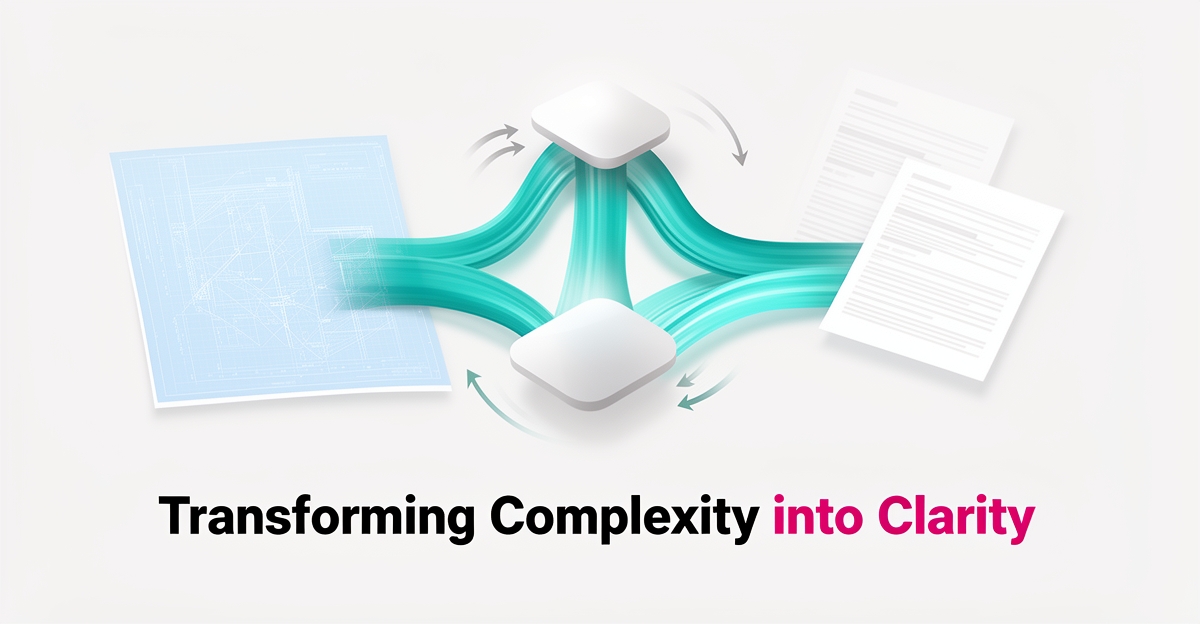
AI-powered onboarding replaces that friction with coordinated automation that starts the moment a contract is signed. Intelligent document processing extracts scope, budget, dates, stakeholders and special requirements from signed agreements, then pre-populates Deltek Vantagepoint, Newforma, BQE Core and other AEC platforms in one pass. The result is 40-60% faster project kickoff with fewer errors and clearer client communication.
Traditional onboarding forces project managers to re-enter the same information across 3-5 disconnected systems. That redundancy creates failure points where typos cause downstream problems and project starts slip 2-4 weeks. Industry analysis of AE firms finds most projects experience delays in their first month due to onboarding issues.
AI transforms the workflow in four integrated moves:
- Intelligent document processing reads contracts and proposals to auto-generate project codes, cost centers and initial work breakdown structures
- Skills-based team matching analyzes requirements against team profiles for expertise, certifications, workload and client history
- Automated communication workflows send contract confirmations, team introductions and kickoff scheduling with agenda previews
- Stakeholder access provisioning sets permissions across document management and collaboration tools based on contract terms
Skills-based matching is where accuracy compounds. Instead of manual availability checks, the system evaluates technical expertise, previous project types, current workload and geographic proximity for site work, then syncs assignments to resource planning tools. Communication shifts from reactive email chains to proactive sequences that keep clients informed and prepared.
The construction sector is already moving. Digital transformation data shows AI adoption in construction has grown steadily in recent years, with nearly half of AEC professionals reporting digital transformation improves project delivery speed.
For design-build firms, this means intake, document collection and initial scoping can run without outdated forms or spreadsheets. AIQ Labs builds custom workflows that handle those steps as a system you own outright, integrating existing AEC tools with intelligent automation rather than adding another subscription layer. The approach aligns with AI Business Process Automation focused on workflow and task automation, where the goal is reducing manual data entry and delays at the start of the project lifecycle.
When onboarding is automated, teams start with clean data, clear scope and aligned stakeholders. That is how firms cut onboarding time by 40-60% while improving accuracy and client satisfaction.
Implementing AI Workflow Automation: A Step-by-Step Guide
Adopting AI-powered onboarding doesn't require ripping out your existing systems. It requires a clear-eyed look at where manual work creates delays, then deploying automation at those pressure points. Here's how to move from fragmented workflows to a coordinated system.
Start by mapping your current onboarding process end to end. Document every step from contract signature to project kickoff, noting where team members manually re-enter data or chase down information. Most design-build firms discover they're entering the same project details into three to five separate platforms—a redundancy that creates error opportunities and delays.
Once you've identified bottlenecks, prioritize the highest-impact automation targets. Contract analysis and data extraction typically deliver the fastest ROI. AI document processing can read signed agreements and automatically populate project management systems, financial platforms, and document repositories with scope details, billing arrangements, and key dates.
The next phase focuses on team assembly and communication. Modern AI systems analyze project requirements against team member profiles, matching skills and availability to project needs without manual spreadsheet cross-referencing. Automated communication workflows then keep clients informed with contract confirmations, team introductions, and kickoff meeting scheduling—all triggered by contract signature rather than someone remembering to send an email.
Integration strategy matters more than tool selection. Your AI automation needs to connect with the platforms you already use—whether that's Deltek Vantagepoint for project setup, Newforma for document management, or BQE Core for time tracking. According to industry research, nearly half of AEC professionals report that digital transformation improves project delivery speed, but only when systems actually talk to each other.
Key implementation steps include:
- Deploy AI document processing to extract project scope, budgets, and stakeholder information from signed contracts
- Configure automated project code generation based on your firm's naming conventions and organizational structure
- Set up skills-based team matching that analyzes technical expertise, certifications, and current workload
- Create automated client communication sequences for contract confirmation, team introductions, and kickoff scheduling
- Integrate document management systems to auto-generate project folder structures with standard naming conventions
The firms seeing the strongest results treat implementation as a phased rollout rather than a big-bang transformation. Start with one workflow—perhaps contract data extraction—and prove the value before expanding. This approach mirrors how AIQ Labs structures client engagements: fixed-price Workflow Builds delivered in milestones, so you validate each phase before moving forward.
Change management determines success as much as technology does. Teams accustomed to manual processes need training on new workflows and clarity on how automation enhances rather than replaces their expertise. The goal isn't eliminating human judgment—it's eliminating the repetitive data entry that prevents your team from applying that judgment where it matters.
With a growing share of construction organizations already implementing AI solutions, the competitive gap is widening. Firms that automate onboarding aren't just saving time—they're starting projects faster, reducing errors, and delivering a client experience that sets them apart from competitors still shuffling spreadsheets.
Overcoming Challenges and Maximizing ROI with AI
Implementing AI-driven onboarding isn't without obstacles, but the firms that overcome them gain a decisive competitive edge. The AI market in construction is projected to grow from roughly USD 4.86 billion in 2025 to over USD 22 billion by the early 2030s, according to StartUs Insights, signaling that early adopters will capture the most value.
System integration complexity remains the primary hurdle. Most design-build firms run operations across disconnected platforms like Deltek Vantagepoint, Newforma, and BQE Core, where manual data entry creates delays and errors. Successful AI implementation requires deep API compatibility and seamless data synchronization to ensure information flows automatically between systems without manual intervention.
Change management presents the second major challenge. Teams accustomed to manual workflows often resist automation, fearing job displacement or process disruption. Firms must invest in comprehensive training and clear communication about how AI enhances rather than replaces human expertise. Additionally, industry analysis shows that most projects experience delays in their first month due to onboarding issues, highlighting the urgency of addressing these cultural barriers.
To navigate these challenges and maximize ROI, firms should:
- Start with a phased approach, automating one workflow before scaling across departments
- Prioritize data quality and standardization across all platforms before deploying AI tools
- Maintain human-in-the-loop oversight for complex decisions and edge cases
- Establish clear governance frameworks for security and compliance
The long-term ROI justifies the initial investment. Research indicates that AI-powered onboarding can accelerate project kickoff by 40-60%, directly impacting revenue recognition and client satisfaction. Beyond speed, firms gain consistent data accuracy, reduced administrative overhead, and the ability to scale operations without proportionally increasing headcount.
AIQ Labs helps design-build firms navigate these implementation challenges through custom workflow development and integration services—200+ multi-agent systems deployed and counting. By building tailored systems that connect existing tools rather than replacing them, and that you own outright, firms can achieve sustainable automation that grows with their business.
Still paying for 10+ subscriptions that don’t talk to each other?
We build custom AI systems you own outright. No vendor lock-in. Full control.
Not sure where to start? Ask our AI planner
Frequently Asked Questions
How much time can AI really save on client onboarding for design-build firms?
Is manual onboarding actually causing project delays?
Do design-build firms already use AI, or is this still early?
Will AI replace my project managers and sales team?
What systems does AI onboarding connect with?
What’s the first step to try this without a big overhaul?
Turn Onboarding Bottlenecks into Competitive Advantage
Design-build firms lose valuable time and client trust when onboarding relies on manual data entry across disconnected systems—delays that ripple into missed deadlines, budget errors, and frustrated stakeholders. By automating contract analysis, team matching, and communication workflows with AI, firms can cut onboarding time by 40-60% while improving accuracy and scalability. The result isn’t just faster project kickoffs; it’s cleaner handoffs, fewer rework cycles, and a client experience that builds confidence from day one. For firms ready to move beyond spreadsheets and siloed tools, the next step is identifying where automation creates the highest impact. Industry analysis shows most projects face delays in their first month due to onboarding issues, making this a critical leverage point for operational excellence. Start with the 2-minute Fit Check at aiqlabs.ai/apply, then book a free 30-minute strategy call at aiqlabs.ai/book to map your onboarding bottlenecks and see how AIQ Labs can build a custom workflow that integrates with your existing AEC platforms—no rip-and-replace required.
Make AI your competitive advantage — not just another tool.
Strategy, implementation and ongoing optimization. One partner, end to end.
Not sure where to start? Ask our AI planner