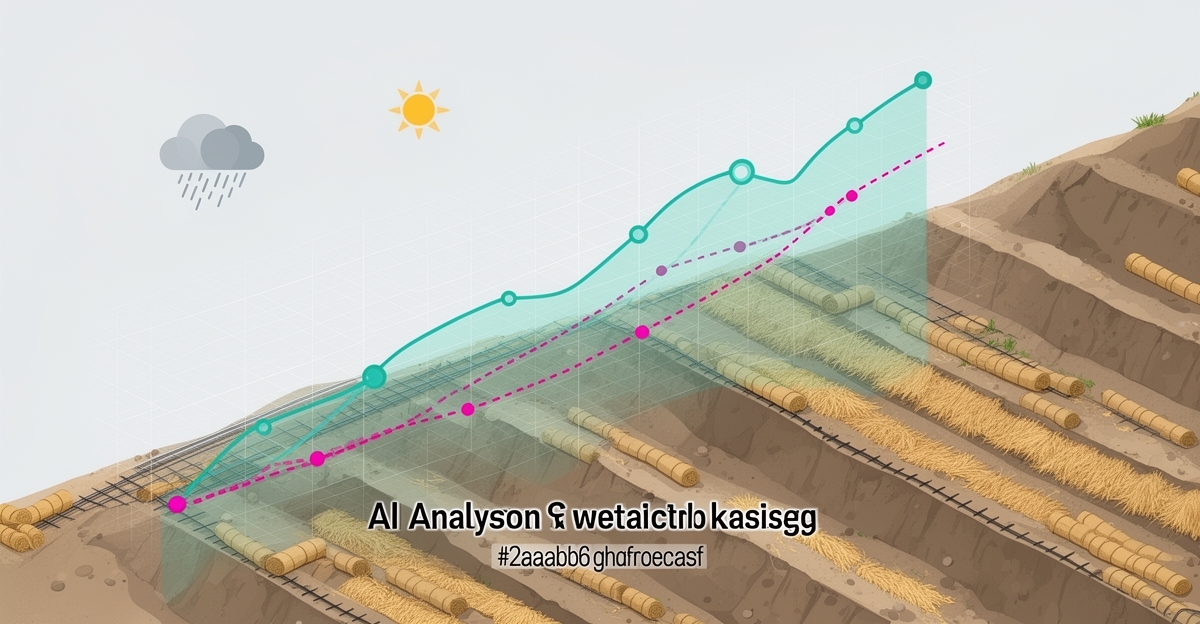
How Erosion Control Contractors Can Use AI to Forecast Material Needs
Key Facts
- AI analyzes historical project data, weather patterns, and terrain to predict erosion control material requirements
- Better forecasting typically reduces over-ordering, spoilage, and emergency delivery costs
- Construction labor shortages continue to make every avoidable delay more expensive as of late 2026
- Starting with one high-impact workflow—like silt fence or seed mulch forecasting—validates accuracy before scaling
- AIQ Labs has deployed 200+ multi-agent systems and runs 4 live SaaS products daily
Hire a team member that works 24/7 — for less than a part-time wage.
AI receptionists, SDRs, dispatchers and 99+ roles. Trained on your business, fully managed.
Not sure where to start? Ask our AI planner
The Hidden Cost of Guesswork: Why Manual Material Estimating Is Draining Your Margins
Erosion control contractors face mounting pressure to deliver projects on time and on budget, but gut-feel estimating continues to drain margins through avoidable waste and costly delays. With skilled labor still tight across the construction sector as of late 2026 and most large projects running behind schedule or over budget, the industry can no longer afford the guesswork that leads to over-ordering, material spoilage, and disruptive stockouts. Traditional spreadsheet-based forecasting fails when sudden weather shifts or unexpected terrain changes alter material needs mid-project, leaving crews scrambling for last-minute deliveries or stuck with piles of unusable inventory. This reactive approach not only inflates direct material costs but also ties up capital in excess stock, increases handling and disposal expenses, and disrupts crew productivity as teams wait for corrections. AI-powered forecasting offers a different path—analyzing historical project data, real-time weather patterns, and site-specific terrain to predict material requirements before work begins. By moving beyond static estimates to dynamic, data-driven predictions, contractors can align procurement with actual demand, reducing both waste and the risk of work stoppages. AIQ Labs builds custom forecasting systems as part of its AI Workflow Builds service—rebuilding the one workflow that costs you the most, at a fixed price, in phases. The result is a proactive system that turns material planning from a liability into a competitive advantage—especially critical in an era where labor shortages amplify the cost of every avoidable delay.
- AI-powered tools can flag potential clashes, delays, and changes within the construction process
- AI can analyze historical project data, weather patterns, and terrain to predict material requirements
- AI can reduce over-ordering and waste by predicting material needs more accurately
What AI Forecasting Actually Looks At: Historical Data, Weather Patterns, and Terrain
AI is changing how erosion control contractors plan material needs by turning historical project data, weather patterns, and terrain into precise forecasts. Rather than relying on guesswork or static estimates, AI models analyze past job records alongside rainfall trends and site-specific topography to calculate material requirements. This data-driven approach reduces over-ordering and waste, helping contractors maintain leaner supply chains and avoid costly surplus inventory.
The core of AI forecasting lies in three interconnected data pillars. Historical project data reveals patterns in material usage across similar jobs, weather patterns—especially rainfall intensity and duration—directly influence erosion control needs like sediment barriers or revegetation materials, and terrain factors such as slope, soil type, and drainage affect how much material is actually required on-site. When combined, these inputs enable AI to generate dynamic, project-specific predictions that adapt to real-world conditions.
For example, a contractor working on a coastal restoration project can input past project data from similar shoreline sites, overlay forecasted rainfall from meteorological models, and factor in soil permeability and elevation gradients. The AI then calculates not just the total volume of materials needed, but also the optimal timing for delivery and application. This level of precision prevents both under-ordering—which risks project delays—and over-ordering—which ties up capital and creates disposal challenges.
The impact of this approach is typically measurable within the first few projects. Contractors using AI-assisted forecasting commonly report meaningful gains in labor productivity and material cost control. These gains come not just from better material planning, but from reduced rework, fewer delivery delays, and less time spent managing excess inventory.
- Analyze historical project data to identify usage trends across similar erosion control jobs
- Integrate weather patterns, especially rainfall forecasts, to anticipate material demand fluctuations
- Factor in terrain characteristics like slope, soil composition, and drainage to refine material estimates
- Generate dynamic forecasts that adjust as project conditions evolve
- Reduce waste and over-ordering by aligning material delivery with actual site needs
AIQ Labs supports erosion control contractors in building custom forecasting models that continuously learn from new project data, improving accuracy over time. By grounding predictions in real-world conditions rather than assumptions, contractors gain a clearer picture of what they truly need—when they need it—leading to more sustainable, cost-effective operations.
Beyond Materials: How Forecasting Models Prevent Delays, Clashes, and Safety Issues
Beyond forecasting material needs, the same AI foundation enables erosion control contractors to anticipate and mitigate broader project risks before they disrupt timelines or compromise safety. By continuously analyzing historical project data, real-time weather feeds, and site-specific terrain models, AI-powered tools can flag potential clashes, delays, and design changes within the construction process, allowing teams to adjust plans proactively rather than reactively. This predictive capability supports real-time hazard alerts sent directly to supervisors, helping prevent accidents by warning operators of heavy machinery about potential collisions or unstable ground conditions.
AI also enhances collaboration across disciplines by supporting generative design workflows that many architects and engineers are already experimenting with, enabling faster iteration on erosion control solutions that balance effectiveness, cost, and environmental impact. These models don't just predict what materials are needed—they help prevent costly rework by identifying scheduling conflicts between crews, equipment, and subcontractors before they occur on site. For example, AI can flag when sediment control installation might interfere with utility work or when heavy rainfall forecasts could delay seeding operations, allowing crews to resequence tasks or deploy temporary protections in advance.
By integrating predictive insights into daily operations, contractors reduce idle time, avoid costly change orders, and maintain safer work environments—all while keeping projects on schedule and within budget. This holistic use of AI transforms forecasting from a logistics function into a strategic advantage that protects both people and progress throughout the project lifecycle.
To explore how AI-driven forecasting and risk mitigation can be tailored to your erosion control projects, start the 2-minute Fit Check, then schedule a free 30-minute strategy call to identify your highest-impact automation opportunities.
Getting Started: A Practical Roadmap for Adopting AI Material Forecasting
Erosion control contractors can begin using AI to forecast material needs by first auditing the quality of their historical project data. AI-powered tools require high-quality data to function effectively, and incomplete or inconsistent records can undermine forecasting accuracy. Cleaning and standardizing past project inputs—such as material usage, site conditions, and project timelines—creates a reliable foundation for AI models to learn from.
Next, connect trusted weather and terrain data sources to enrich the forecasting inputs. AI can analyze historical project data, weather patterns, and terrain to predict material requirements, enabling contractors to anticipate needs based on real-world environmental factors. Integrating these external datasets ensures the model accounts for variables like rainfall intensity, soil type, and slope stability, which directly influence erosion control material demand.
Start with a single high-impact forecasting workflow, such as predicting silt fence or seed mulch quantities for a recurring project type. This focused approach allows teams to validate the AI model's output against actual usage before scaling. AI-powered tools can flag potential clashes, delays, and changes within the construction process, helping refine predictions early and avoid costly over-ordering or shortages.
Finally, integrate the forecasting system with existing project management and inventory platforms to automate reorder triggers and stock alerts. AI can optimize material use and reduce waste by predicting material needs more accurately, supporting leaner supply chains and fewer emergency deliveries. Addressing common adoption challenges—like data quality, training, and system interoperability—is easier when starting small and building confidence through measurable results.
AIQ Labs supports this journey with custom forecasting builds and flexible payment models—Start Monthly, Build in Milestones, or Own It Outright—so contractors can adopt AI at their own pace without upfront complexity. For contractors ready to connect forecasting into a broader operating layer across estimating, scheduling, and procurement, AI Operating Systems provide one connected system built in phases and owned outright. By grounding each step in proven data practices, erosion control teams turn forecasting from a guessing game into a strategic advantage.
The Competitive Case for Forecasting Now: Lean Supply Chains as a Market Advantage
Forecasting material needs is no longer a back-office efficiency play. With labor shortages tightening and margins compressing, it is becoming the lever that decides who wins bids and who finishes late.
Erosion control contractors are operating in a market where skilled labor remains scarce and every truckload and crew hour counts. AI-powered forecasting turns historical project data, weather patterns, and terrain into predictable material requirements, reducing over-ordering and waste.
The competitive payoff is practical. When supply chains are lean, contractors can bid tighter with confidence, protect margin on volatile material prices, and absorb labor shortages better because crews spend time installing, not waiting.
Lean supply chains also change how clients perceive you. Contractors who consistently finish on budget and on schedule build a reputation for reliability that translates into repeat work and referrals. In a sector where delays and budget overruns remain common, predictable delivery is a differentiator.
AI analyzes historical project data, weather patterns, and terrain to predict material requirements, which is the core of predictive analytics and forecasting for erosion control. With custom forecasting models, teams can:
- Reduce over-ordering and waste by matching orders to site-specific conditions
- Tighten bid pricing with data-backed material estimates instead of contingency padding
- Improve cash flow by avoiding excess inventory sitting on yards
- Absorb labor volatility by ensuring materials arrive when crews are ready
This shifts forecasting from cost-saver to competitive weapon. Lean supply chains enable tighter bids, on-budget finishes, and resilience to labor shortages. That is the advantage AIQ Labs builds with custom forecasting models that reduce over-ordering and waste, helping contractors maintain lean supply chains.
If you want to map the highest-ROI forecasting opportunity for your operation, start the AIQ Labs Fit Check and book a free 30-minute strategy call. It is a no-obligation working session to assess your current systems and identify where predictive material forecasting can deliver immediate margin and market advantage.
Still paying for 10+ subscriptions that don’t talk to each other?
We build custom AI systems you own outright. No vendor lock-in. Full control.
Not sure where to start? Ask our AI planner
Frequently Asked Questions
Can AI really forecast how much erosion control material I'll need on a job?
What data does AI use to predict material needs for erosion control?
Will AI forecasting actually save money or just add tech costs?
Is my historical data good enough to start with AI forecasting?
Can AI help with more than just ordering materials?
How do I get started without overhauling my whole operation?
From Guesswork to Predictable Margins
The era of padding estimates and hoping for the best is ending. As weather volatility increases and skilled labor stays scarce, contractors can no longer afford the waste and delays that manual forecasting creates. By analyzing historical project data, weather patterns, and terrain, AI transforms material planning from a reactive scramble into a proactive strategy that protects margins and keeps crews productive. The path forward is straightforward: audit your historical data, integrate weather and terrain inputs, and start with a single high-impact workflow like silt fence or seed mulch forecasting before scaling. AIQ Labs builds custom forecasting models that learn from your specific operations, helping you maintain lean supply chains without the guesswork. Ready to see where predictive forecasting fits your operation? Start the Fit Check—it takes two minutes—then schedule a free 30-minute strategy call to map your highest-impact automation opportunity.
Make AI your competitive advantage — not just another tool.
Strategy, implementation and ongoing optimization. One partner, end to end.
Not sure where to start? Ask our AI planner