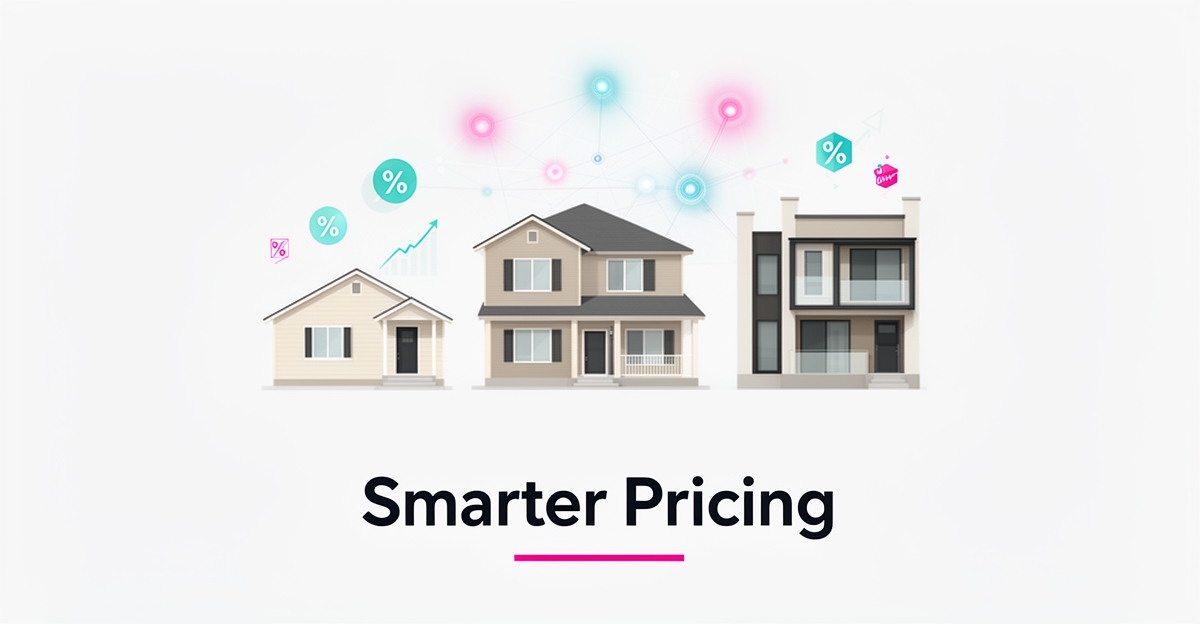
How Residential Remodeling Contractors Can Use AI to Optimize Pricing for Different Home Types
Key Facts
- AI-powered estimating tools typically deliver materially higher estimate accuracy than spreadsheet-based methods, with gains often cited in the 20% range as of late 2026
- Contractors using AI estimating tools commonly save one to three hours per week on estimating tasks
- AI adoption among construction and design professionals has grown steadily through 2026, with early adopters reporting the largest accuracy and margin gains
- AI identifies hidden cost drivers like structural upgrades in older homes and permit delays in regulated neighborhoods
- AI-powered estimating engines process historical project data including square footage, zip code, material specifications, labor rates, permit complexity, and seasonal demand
Hire a team member that works 24/7 — for less than a part-time wage.
AI receptionists, SDRs, dispatchers and 99+ roles. Trained on your business, fully managed.
Not sure where to start? Ask our AI planner
The Pricing Blind Spot Costing Contractors Profit
Most residential remodelers still rely on spreadsheets and gut instinct to price vastly different home types—from historic urban row houses to modern suburban builds—leading to systematic underbidding on complex projects and overbidding on standard ones. While a majority of construction pros had not yet adopted AI tools as of late 2026, adoption keeps climbing, and contractors who move to data-driven pricing now gain a measurable edge in accuracy and margin protection.
AI-powered estimating software can analyze historical data to recommend pricing models based on home size, location, materials, and market trends, directly addressing the variability that makes manual pricing so risky. This approach typically improves estimate accuracy meaningfully compared to spreadsheet-based methods—gains in the 20% range are commonly reported—reducing costly errors that erode profitability. Contractors using these tools also commonly save one to three hours per week on estimating tasks, freeing up time for client engagement and project oversight.
- AI identifies hidden cost drivers in complex renovations, such as structural upgrades in older homes or permit delays in regulated neighborhoods
- It adjusts for regional material fluctuations and labor availability, preventing surprise overruns on standard builds
- By learning from past wins and losses, AI refines pricing strategies to match client expectations and market conditions
For contractors serving diverse markets, this means moving beyond one-size-fits-all pricing to models that reflect the true scope of work. AIQ Labs builds pricing engines through AI Workflow Builds that adapt to regional variations and client profiles, turning historical job data into a competitive advantage. As AI adoption grows, those who delay risk falling behind in both accuracy and efficiency. The contractors who act today will protect margins on every job type, from luxury remodels to essential updates.
How AI Analyzes Home Variables to Recommend Pricing Models
AI-powered estimating engines process historical project data—including square footage, zip code, material specifications, labor rates, permit complexity, and seasonal demand—to uncover pricing patterns that traditional methods often overlook. This capability allows contractors to move beyond static spreadsheets and develop adaptive pricing models tailored to specific home types and market conditions. In practice, this typically means materially fewer costly underbids or overpriced quotes than spreadsheet-based approaches produce.
These systems dynamically adjust to regional variations and home-specific nuances, such as aging infrastructure in older homes or premium finishes in luxury builds, ensuring recommendations reflect real-world cost drivers. For example, AI can identify how material costs fluctuate by location or how labor availability impacts timelines in certain zip codes, enabling contractors to price with greater precision. Contractors already using these tools commonly save one to three hours per week on estimating tasks—time that can be redirected toward client engagement or project planning.
- Analyzes historical project data to detect pricing trends across home types
- Adjusts estimates based on regional labor rates and material availability
- Flags cost risks like permit complexity or seasonal demand spikes
- Recommends pricing models aligned with client profiles and market conditions
By grounding pricing decisions in data-driven insights rather than guesswork, contractors can enhance competitiveness while protecting margins. AIQ Labs supports this shift by building custom pricing engines that integrate with existing workflows, enabling teams to act on AI recommendations without disruption. As adoption grows, those who leverage these capabilities gain a measurable edge in pricing accuracy and operational efficiency.
Start the Fit Check to explore how AI-powered pricing optimization can strengthen your estimating process and improve project profitability.
Matching the Right AI Tool to Your Remodeling Workflow
Choosing the right AI tool starts with understanding your specific remodeling workflow and business needs. Not every solution fits every contractor, especially when balancing crew size, project complexity, and whether you require end-to-end management or a focused pricing engine. The right match can streamline operations without adding unnecessary overhead.
Broadly, the market splits into three categories. Client-facing automation tools handle estimates, proposals, and follow-ups, suiting residential specialists who want to reduce manual effort in sales tasks. Focused AI pricing engines target small remodelers looking to improve estimate accuracy using historical data on materials, location, and market trends. Enterprise-grade project management platforms offer deep functionality but come with a steep learning curve and higher cost, better suited for larger teams handling multifaceted builds.
AI-powered estimating software typically improves accuracy meaningfully compared to spreadsheet-based methods, directly impacting profitability and competitiveness. Contractors using AI tools commonly report saving one to three hours per week, freeing up time for higher-value activities like client engagement or job supervision. Those hours compound: fewer rework cycles, faster turnaround on quotes, and more consistent gross margin across kitchen, bath, and whole-home remodels.
To select the best fit, consider these key factors: crew size and available training time, typical project scope and customization level, need for integration with existing tools like accounting or scheduling software, and whether you prioritize pricing intelligence or full project oversight. A solo contractor might benefit most from a focused pricing engine, while a growing team handling full renovations may find proposal automation more valuable. Matching the tool to your workflow ensures AI enhances—not disrupts—your business.
Where off-the-shelf tools fall short, AIQ Labs builds custom pricing engines through AI Workflow Builds—a fixed-price, phased rebuild of the one workflow that costs you the most, so you get a system aligned with your operational reality rather than a generic template. By starting with a clear assessment of your workflow, you can choose an approach that strengthens your pricing strategy and scales with your business.
Implementation Roadmap: From Pilot to Pricing Confidence
Pricing confidence does not appear overnight. It builds from clean history, disciplined testing, and measured rollout.
Start with an audit of your last 20–50 projects. Pull bids, change orders, actual costs, and close dates into one structured set. Clean for missing scopes, inconsistent line items, and manual notes. This historical data is the fuel for any AI model and the foundation for pricing by home size, location, materials, and market trends.
Structure the data around the variables that drive margin. Tag each job by home type, square footage, age band, zip code, material tier, and crew. Normalize labor hours and supplier pricing to a common period. The clearer the inputs, the more reliable the recommendations become when AI analyzes historical data to recommend pricing models.
Run a 30-day shadow pilot where AI recommendations run parallel to your current process. Keep estimators working as normal while the model generates alternative pricing in the background. Track variance, win rates, and margin drift without risking live bids.
Monitor these signals weekly during the pilot:
- Variance between AI-suggested price and estimator price by home type
- Win rate and close rate on AI-influenced vs. manual bids
- Margin drift on awarded jobs and post-job actuals
- Time spent per estimate and rework cycles
Use the pilot to tune thresholds for regional variations and client profiles. AIQ Labs builds pricing engines that adapt to regional variations and client profiles, helping contractors stay competitive and profitable without manual spreadsheet overrides.
The accuracy lift shows up first in fewer underpriced wins and more consistent gross margin across kitchen, bath, and whole-home remodels. Lock the model once variance stabilizes and win rates hold. Document the pricing playbook, train estimators on overrides, and integrate outputs into proposals and CRM. Continuous feedback from closed jobs keeps the system learning and pricing confidence compounding.
Sustaining Competitive Advantage Through Continuous Learning
AI pricing isn't set-and-forget. As material costs shift, labor markets tighten, and sustainability demands grow, your model must retrain on fresh outcomes. Build a quarterly review loop: feed completed project actuals back into the system, adjust for new home-type segments, and expand AI into adjacent workflows like lead qualification and material procurement.
Continuous learning keeps your pricing engine accurate and responsive. Start by capturing real-world project data—final costs, timelines, and client feedback—after each job closes. Feed this information into your AI model to refine its predictions for similar home types, locations, or material choices. This feedback loop ensures your estimates stay aligned with current market conditions, not outdated assumptions.
Use these insights to expand your AI's role beyond pricing. For example, apply the same predictive logic to lead scoring, helping your team focus on prospects most likely to convert based on project scope, budget range, and renovation goals. AI can also streamline material procurement by forecasting demand patterns and recommending optimal order timing based on price trends and supplier lead times.
- Review actual project outcomes quarterly to retrain your AI pricing model
- Adjust for emerging home-type segments like accessory dwelling units or energy-efficient retrofits
- Extend AI capabilities into lead qualification and material procurement workflows
By treating AI as a dynamic system rather than a static tool, contractors maintain a competitive edge in a shifting industry. AIQ Labs supports this evolution through adaptive pricing engines, AI Employees that handle lead qualification and follow-up, and AI Operating Systems that connect pricing with the rest of your business—helping residential remodelers turn data into lasting profitability.
Still paying for 10+ subscriptions that don’t talk to each other?
We build custom AI systems you own outright. No vendor lock-in. Full control.
Not sure where to start? Ask our AI planner
Frequently Asked Questions
Will AI pricing actually help me avoid underbidding on complex remodels?
How much time could AI save my estimating team each week?
Is AI adoption common enough that I'm falling behind if I wait?
Which AI estimating approach fits a small residential remodeler vs a larger team?
Can AI pricing adapt to different home types and regional differences?
What's the business impact of getting AI pricing right?
From Gut Instinct to Precision: The Future of Remodeling Profitability
The days of relying on spreadsheets and gut instinct to price diverse home types are numbered. AI-powered pricing engines analyze historical data across home size, location, materials, and market trends to deliver materially higher estimate accuracy while saving estimators hours every week—time that translates directly into client engagement and project oversight. As adoption grows through 2026, the competitive gap between early adopters and those still guessing widens. AIQ Labs builds custom pricing engines that adapt to regional variations and client profiles, ensuring your estimates reflect true project costs without manual spreadsheet gymnastics. The path forward is clear: start with clean historical data, pilot AI recommendations against your current process, and scale what works. Ready to move beyond guesswork? Start the 2-minute Fit Check to discover how AI-driven pricing optimization can protect your margins on every job type.
Make AI your competitive advantage — not just another tool.
Strategy, implementation and ongoing optimization. One partner, end to end.
Not sure where to start? Ask our AI planner