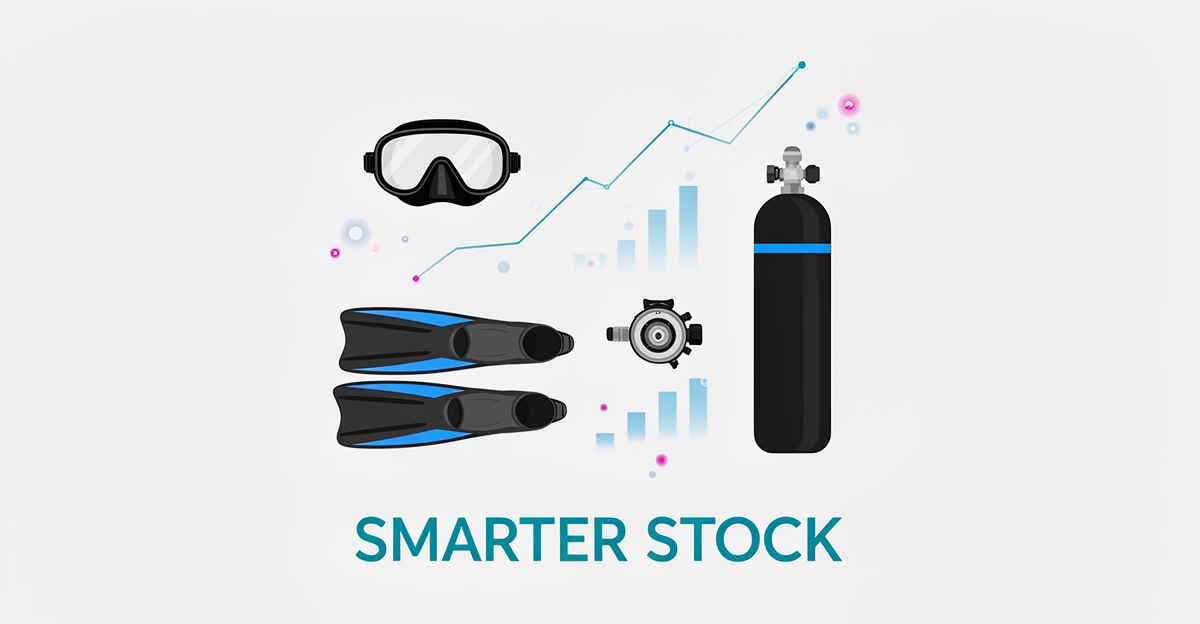
How Scuba Diving Shops Can Use AI to Predict Equipment Demand and Reduce Waste
Key Facts
- Most dive shops still run trip quoting and inventory planning on spreadsheets and whiteboards, while AI adoption spreads across small business generally
- Manual trip quotes typically take the better part of an hour by hand; AI-assisted drafting cuts that to minutes
- AI-powered management systems can anticipate peak booking periods and adjust staffing accordingly, per dive center research
- Predictive analytics can adjust pricing by seasonal demand, weather and real-time occupancy to protect liveaboard margins
- General SaaS tools rarely understand dive gear, certification levels, or liveaboard logistics — dive-specific forecasting usually requires a custom build
Hire a team member that works 24/7 — for less than a part-time wage.
AI receptionists, SDRs, dispatchers and 99+ roles. Trained on your business, fully managed.
Not sure where to start? Ask our AI planner
The Manual Inventory Trap Facing Dive Shops Today
Walk into most dive shops today and you'll find the same scene: a whiteboard of upcoming charters, a spreadsheet of gear sizes, and someone hunched over a calculator building a trip quote by hand. While AI adoption keeps spreading across small business generally, most dive shops are still running pen-and-spreadsheet trip quoting. That gap between the broader trend and dive shop reality is the story.
The problem is that a premium dive shop is really two businesses in one. There's a high-ticket retail counter selling BCDs, regulators, and rebreathers. Then there's a trip-and-training concierge selling liveaboards priced in the thousands alongside PADI and SSI certification courses.
Running both on manual processes creates expensive blind spots on the retail side:
- Overstocking ties up cash in bulky gear that sits on shelves through slow seasons
- Stockouts on popular sizes send four-figure BCD buyers to competitors
- Rental fleets sit idle or wear unevenly because maintenance scheduling is reactive
- Seasonal demand swings get guessed at instead of forecasted
Each mistake hits margin directly. Order too much and you're financing inventory that doesn't move; order too little and a customer ready to spend four figures walks out empty-handed. On the trip side, the manual trap is just as costly — drafting a single liveaboard quote by hand typically takes the better part of an hour, and a shop doing several bookings a month is burning staff hours on paperwork instead of selling.
What makes this fixable is that the data already exists. Research on AI in dive center operations shows that predictive analytics can anticipate peak booking periods, adjust staffing and resources accordingly, and even automate inventory tracking and rental equipment maintenance. AI systems can analyze historical dive data, weather patterns, and seasonal trends to forecast which gear will move and when — the kind of capability AIQ Labs builds as custom forecasting models that plug directly into a shop's existing inventory systems.
The shops that close this gap first gain a structural advantage. When much of the small-business world has adopted AI and dive shops remain the outlier, the manual inventory trap isn't just an inconvenience — it's margin leaking out of both sides of the business, one misordered BCD and one slow quote at a time.
How AI Predicts Demand From Dive Data, Weather, and Seasonality
Predictive demand is the difference between empty rental racks in low season and lost sales when a charter fills up. Dive shops that still run pen-and-spreadsheet quoting are missing signals that AI can read continuously from bookings, weather, and customer behavior.
AI models ingest historical booking patterns, certification course enrollments, and rental histories to spot repeat demand cycles. AI-powered management systems use that history to anticipate peak booking periods and adjust staffing and resources accordingly. The same models layer in seasonal trends and real-time weather conditions to forecast which sites, gear types, and trip lengths will be in demand next week.
Dynamic pricing becomes practical when the system links occupancy, forecast weather, and competitor availability. Predictive analytics can adjust pricing based on seasonal demand, weather conditions, and real-time occupancy levels, protecting margins on high-ticket liveaboards while filling shoulder-season slots.
Customer behavior analysis completes the loop. AI systems analyze preferences, past dive experiences, and certification levels to suggest ideal dive times, equipment rentals, and training opportunities. That personalization reduces overstocking of slow-moving BCDs and regulators and prevents shortages on high-use items.
In practice, shops see operational relief alongside forecasting gains. AI-assisted trip quoting typically cuts drafting time from the better part of an hour to a few minutes, supporting more liveaboard bookings and freeing staff for guest service.
The workflow AI enables includes:
- Demand forecasting from historical bookings, weather, and seasonality
- Automated inventory management and rental tracking with timely maintenance alerts
- Dynamic pricing tuned to occupancy and conditions
- Staffing adjustments aligned to predicted peak periods
Dive-specific AI use remains early as of late 2026. AIQ Labs builds custom forecasting models that integrate with shop operations and inventory systems, turning booking and weather data into actionable stock and staffing plans. Predictive analytics lets shops reduce overstocking and avoid shortages without manual guesswork.
The result is a shop that rents the right gear, at the right price, with the right staff ready when demand arrives.
Three Implementation Paths for Dive Shops
There's no single "right way" to bring AI into a dive shop — the right path depends on your booking volume, ticket size, and how much of the work you want to own. There are three distinct implementation paths, each with a different cost structure, timeline, and ideal shop profile.
Path 1: Off-the-Shelf SaaS Subscription
This route combines general tools like Square POS, Mindbody or Acuity, and Mailchimp on a monthly subscription. Launch is fast with little to no upfront cost, making it the quickest option available. It's best suited for a dive shop primarily running walk-in retail and local certification courses that doesn't sell high-ticket liveaboard trips.
The trade-off is significant, though: none of these general retail tools understand dive gear, cert levels, or liveaboard logistics — quoting stays manual. Vendor price increases are also common, and you own nothing at the end of the day.
Path 2: Custom Build, Owned Outright
This is the heavy-duty option for destination or high-net-worth dive shops doing several liveaboard bookings per month, where manual quote drafting is the single biggest time sink. A custom build typically takes weeks to launch, not months, and can be structured with milestone-based payments so you're never paying for work you haven't seen.
The ROI math is straightforward. One additional liveaboard booking per month — a realistic lift for a shop already doing several monthly — can cover the cost of a focused build quickly, especially at typical liveaboard margins. Unlike SaaS, you own the system outright, and the customization is unlimited. The caveat: ROI depends on actual liveaboard booking volume, so validate that number first.
Path 3: DIY Build
For shop owners who want a basic gear-recommender quiz live on their website this week with no developer budget, a DIY build using a low-code tool costs little upfront and a modest monthly fee. It can be launched in a single weekend.
The limitation is real: there's no live connection to your POS inventory, so recommendations stay static until you manually update the quiz. It's a starting point, not a system.
Choosing Your Path
A few questions can clarify the decision:
- Are you selling multi-thousand-dollar liveaboards, or mostly walk-in retail and certifications?
- How many hours per week does manual trip quoting consume?
- Do you want to own the system, or are you comfortable renting logic from a vendor?
For shops that fall between the cracks — needing dive-specific forecasting that connects gear inventory, certification requirements, and seasonal booking patterns — a custom approach becomes the only option that fits. No general SaaS product in 2026 understands all three simultaneously. That's where AIQ Labs' Workflow Builds come in: we rebuild the one workflow that costs you the most, at a fixed price, in phases — and you own the system outright as model prices continue to fall.
The gap between general small business AI adoption and dive shops still running pen-and-spreadsheet operations is exactly where the opportunity sits.
From Forecast to Action: Integrating AI With Shop Operations
Turning AI predictions into operational reality requires systematic integration with existing shop workflows. The process begins with documenting trip templates and gear-fitting logic — critical steps that ensure AI systems understand dive-specific requirements like certification prerequisites and equipment compatibility. Shops using AI-assisted quoting typically see drafting time drop from the better part of an hour to a few minutes, freeing staff for higher-value customer interactions.
Integration with core business systems follows documentation. Successful implementations connect AI forecasting models directly to POS systems for real-time inventory synchronization and to PADI/SSI certification records with human-in-the-loop verification for compliance. This creates a closed loop where demand predictions automatically trigger reorder alerts while maintaining safety standards — addressing a key limitation of generic SaaS tools that lack dive-specific logic.
Operationalizing forecasts involves deploying practical tools that staff and customers use daily. Shops implement gear recommendation quizzes on their websites using lightweight AI models to suggest appropriate equipment based on diver profiles and real-time inventory. Simultaneously, alumni re-engagement automation segments past customers by certification level and trip history, sending personalized destination offers that drive repeat bookings. These steps transform predictive insights into measurable outcomes: reduced overstocking, fewer equipment shortages, and increased revenue from targeted marketing — all while maintaining the human oversight essential for dive safety and certification integrity. For shops ready to operationalize AI forecasting, AIQ Labs provides the integration expertise to connect predictive models with your POS, certification systems, and customer engagement tools — or, as your shop grows, a connected AI Operating System built in phases and owned outright. Start the Fit Check at https://aiqlabs.ai/apply to map your operational bottlenecks and identify high-ROI AI automation opportunities.
Still paying for 10+ subscriptions that don’t talk to each other?
We build custom AI systems you own outright. No vendor lock-in. Full control.
Not sure where to start? Ask our AI planner
Frequently Asked Questions
How can AI actually predict what dive gear I'll need next season?
What's the real cost difference between SaaS tools and a custom AI build?
Will AI replace my staff's judgment on certifications and safety?
How much time can AI actually save on trip quoting?
Can I just use Square or Mindbody for dive shop forecasting?
What's the cheapest way to test AI without a big upfront investment?
Turn Forecasts into Flow: Your Next Move with AI
Scuba diving shops no longer need to choose between manual guesswork and generic AI tools that miss the nuances of gear, certifications, and liveaboard logistics. For a shop already doing several liveaboard bookings a month, one additional booking can be enough for a focused custom build to pay for itself — turning what was once a time sink into a predictable revenue stream. By aligning demand forecasting with real inventory, weather patterns, and customer behavior, AI helps reduce overstocking, prevent stockouts, and free staff from repetitive quoting to focus on guest experiences and safety. The path forward starts with understanding where your biggest bottlenecks live and whether a SaaS, custom, or DIY approach fits your volume and goals. To map your specific operational gaps and see where AI can deliver the fastest return, start with the two-minute Fit Check — it's a no-obligation session designed to clarify your next step, not sell you one.
Make AI your competitive advantage — not just another tool.
Strategy, implementation and ongoing optimization. One partner, end to end.
Not sure where to start? Ask our AI planner