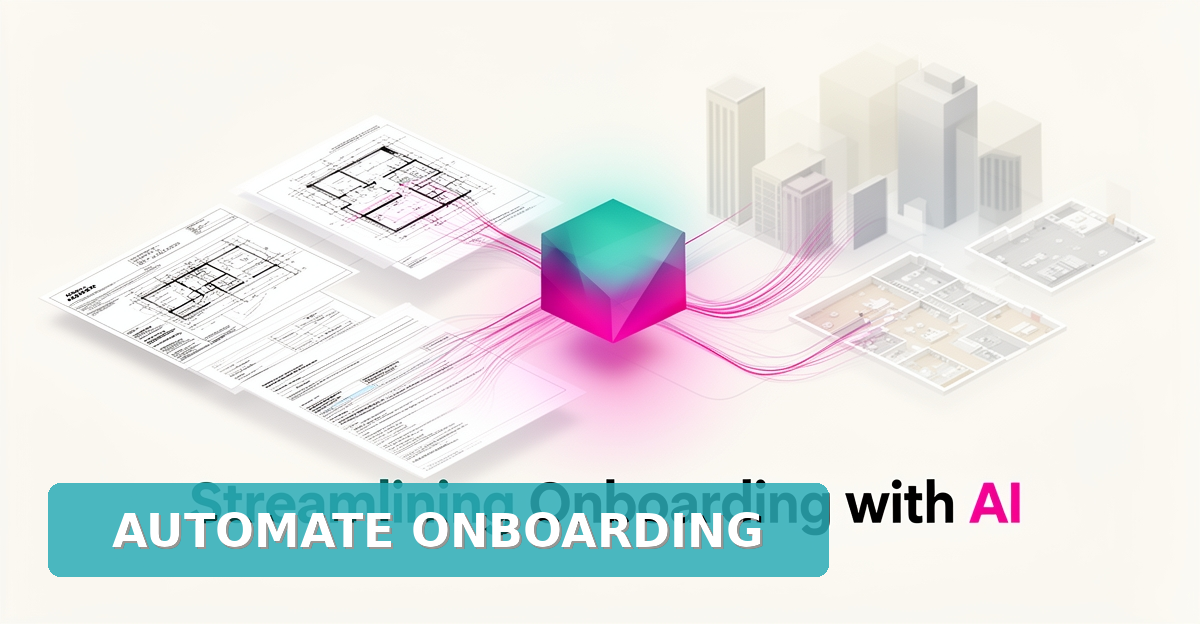
How Tenant Improvement Contractors Can Automate Client Onboarding with AI
Key Facts
- Industry analysis suggests the majority of a project manager's pre-construction time is consumed by administrative tasks according to comparative research
- AI automation can reduce administrative burdens substantially in tenant improvement onboarding per comparative analysis
- AI-driven automation in property management has been linked to improved tenant satisfaction and retention per property management research
- Real-time validation during onboarding reduces rework and accelerates project kickoff per industry analysis
- Automated intake replaces fragmented forms with a single, verified client profile as shown in comparative analysis
- Unified client data enables faster mobilization and fewer change orders per operational benchmarks
Hire a team member that works 24/7 — for less than a part-time wage.
AI receptionists, SDRs, dispatchers and 99+ roles. Trained on your business, fully managed.
Not sure where to start? Ask our AI planner
The Hidden Cost of Manual Client Onboarding in Tenant Improvement
Tenant improvement contractors know the drill: a new client signs, and suddenly the calendar evaporates into a fog of intake forms, site surveys, permit research, and endless email threads. Industry analysis suggests that the majority of a project manager's pre-construction time gets consumed by administrative tasks before a single wall comes down according to comparative research. That overhead doesn't just burn hours — it pushes project start dates, introduces data-entry errors, and leaves clients wondering why their renovation hasn't moved past the paperwork phase.
The ripple effects compound fast. Missed permit deadlines trigger municipal fines. Inaccurate square-footage numbers cascade into change orders. Clients who expected a seamless experience instead receive fragmented updates from three different team members. Property management benchmarks indicate that firms relying on manual onboarding see measurably lower tenant satisfaction and retention compared to those using automated workflows. For TI contractors, the parallel is direct: every hour spent re-keying lease exhibits into a project tracker is an hour not spent coordinating subcontractors or reviewing shop drawings.
- Duplicate data entry across CRM, estimating software, and project management tools
- Manual verification of lease clauses, insurance certificates, and building rules
- Back-and-forth scheduling for site walks with property managers and engineers
- Chasing missing documents through scattered email threads
- Re-work caused by outdated or incomplete client intake data
AIQ Labs works with contractors to replace that chaos with AI systems that collect, validate, and organize client data — from property type to renovation goals — during onboarding. Comparative analysis suggests AI automation can cut administrative burdens dramatically per industry research, turning a two-week intake sprint into a two-day structured workflow. When client data flows cleanly into project planning from day one, crews mobilize faster, change orders drop, and the client experience shifts from administrative friction to visible progress.
How AI Transforms Client Data Collection and Validation During Onboarding
Onboarding is where tenant improvement projects stall before they start. Manual intake creates delays, missing compliance details, and inconsistent data that ripples through planning and budgeting.
AI-powered onboarding automates the collection of property type, renovation goals, timelines, and compliance requirements in real time. Conversational agents guide clients through structured intake, while multi-agent research validates details against property records and local codes. This replaces fragmented forms with a single, verified client profile.
For property managers, the administrative burden is significant. Industry analysis suggests most of a property manager's time goes to administrative tasks, and AI automation can reduce that load substantially, freeing teams to focus on execution rather than data chasing.
Accuracy improves because validation happens during intake, not after. The system cross-checks property type against renovation scope, flags timeline conflicts, and confirms compliance requirements specific to commercial tenant improvements. Real-time validation reduces rework and accelerates project kickoff.
Scalability follows from consistent data capture. When client data is organized from day one, project planning, estimating, and vendor coordination run on clean inputs. AIQ Labs builds AI systems that store and analyze client data securely and efficiently — whether that's a single workflow rebuild or a fuller connected operating layer.
The process typically automates:
- Conversational intake of property details, use case, and renovation goals
- Multi-agent research to verify compliance requirements and timelines
- Automatic organization of validated data into project-ready profiles
- Real-time alerts for missing or conflicting information
The impact extends beyond operations. Research on AI adoption in property management links automation to improved tenant satisfaction and retention. For contractors, the parallel is fewer change orders and clearer expectations from day one.
Tenant improvement contractors gain faster, cleaner onboarding without adding headcount. Client experience improves as questions are answered instantly and data is captured correctly the first time.
From Onboarding to Project Execution: Building an AI-Driven Client Intelligence System
Tenant improvement contractors lose momentum when onboarding data lives in emails, spreadsheets, and call notes. An AI-driven client intelligence system captures property type, renovation goals, budget constraints, and approval timelines at intake, then validates and organizes it into a single source of truth for project execution.
Property managers spend most of their time on administrative tasks according to industry analysis. For TI contractors, that burden shows up as duplicate intake forms, manual CRM updates, and rework from incomplete briefs. AI automation reduces that load by collecting, validating, and organizing client data during onboarding, which streamlines project planning from day one.
When onboarding feeds directly into project management and CRM tools, teams stop chasing information. AIQ Labs builds owned AI systems that store and analyze client data securely and efficiently, creating continuity between first contact and site work. The system links lease details, scope requirements, and stakeholder preferences to tasks, budgets, and schedules, reducing errors that cause delays.
Predictive planning becomes practical with a unified profile. The intelligence layer flags risk factors early, such as tight move-in dates or complex approvals, and suggests resource allocation before conflicts arise. This reduces rework and keeps crews focused on build rather than clarification.
Tenant experience improves when communication is consistent and proactive. AI adoption in property management is linked to stronger tenant satisfaction and retention through automated operations. For contractors, that translates to fewer change orders, clearer expectations, and stronger referrals.
A client intelligence system delivers value across the project lifecycle:
- Automated intake that captures property type, renovation goals, and compliance needs with validation checks
- Real-time sync to CRM and project management so scope, timeline, and budget stay aligned
- Predictive alerts for scheduling bottlenecks, material lead times, and approval delays
- Unified communication history that preserves context for site teams and tenants
The result is faster onboarding to execution and measurable operational impact. Contractors gain scalability without adding headcount, and tenants receive the transparency that drives satisfaction and retention.
Still paying for 10+ subscriptions that don’t talk to each other?
We build custom AI systems you own outright. No vendor lock-in. Full control.
Not sure where to start? Ask our AI planner
Frequently Asked Questions
How much time do project managers really waste on onboarding admin?
Can AI actually cut down the intake paperwork for tenant improvements?
Will automating onboarding make clients happier or just faster?
What does AI do during onboarding besides collect forms?
Does AI onboarding help the bottom line beyond saving time?
Is AI onboarding hard to connect to our existing CRM and project tools?
Stop Losing Project Days to Paperwork: Your Next Move
Manual onboarding quietly costs tenant improvement contractors their most valuable resource: time. As we've seen, most of a project manager's pre-construction day can disappear into administrative work, while AI-driven intake and validation can cut that burden dramatically — turning a two-week data chase into a two-day structured workflow that feeds clean, verified client data straight into project planning. The payoff compounds from there: faster mobilization, fewer change orders, and a client experience that starts with progress instead of paperwork. The next step is practical, not theoretical. Start by auditing where onboarding data gets re-keyed or lost in your current process — that's usually the highest-ROI automation target. From there, a focused conversation can map whether a single workflow rebuild or a full AI operating system makes sense for your operation. At AIQ Labs, we build custom AI systems that collect, validate, and organize client data — and you own what we build, outright. Take the two-minute Fit Check at aiqlabs.ai/apply, then book a free 30-minute strategy call — a real working session with an AI engineer. If there's no clear win, we'll tell you that too.
Make AI your competitive advantage — not just another tool.
Strategy, implementation and ongoing optimization. One partner, end to end.
Not sure where to start? Ask our AI planner