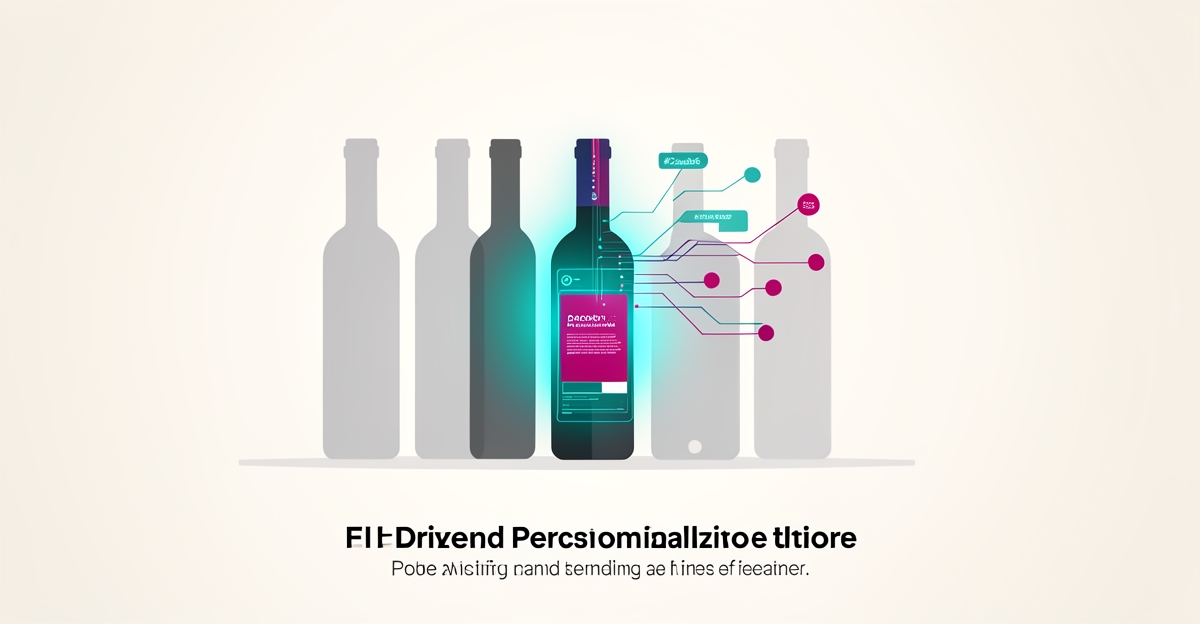
How Wine Distributors Can Use AI to Personalize Customer Experiences
Key Facts
- A majority of wine buyers pick by label rather than technical knowledge, creating a personalization gap that static catalogs ignore
- Static wine catalogs typically convert at less than 1%, highlighting the need for AI-driven guidance
- AI can enrich each wine with 30+ attributes like taste profile and terroir for deep personalization
- AI demand forecasting typically reaches 80-90% accuracy, with industry analyses reporting inventory cost reductions of 15-25%
- Compliance automation with AI can reduce administrative labor costs substantially for wine distributors
- Dynamic pricing AI has been reported to improve gross margins by 5-15% without losing market share
- AI-generated wine descriptions can reach high accuracy across thousands of SKUs when paired with human review
Hire a team member that works 24/7 — for less than a part-time wage.
AI receptionists, SDRs, dispatchers and 99+ roles. Trained on your business, fully managed.
Not sure where to start? Ask our AI planner
The Personalization Gap in Wine Distribution
Wine buyers often choose by label rather than technical knowledge, creating a fundamental mismatch between customer behavior and traditional e-commerce design. This gap leads to choice paralysis and very low conversion rates, with static wine catalogs typically converting at less than 1%. Traditional filters like region, price, or varietal assume a level of expertise most buyers simply don't possess, leaving them overwhelmed and disengaged.
Industry research consistently shows that a majority of wine buyers make purchasing decisions based on label appeal rather than technical attributes such as tannin structure or aging potential. Without guidance, these customers abandon carts or default to familiar brands, missing opportunities for discovery and repeat purchase. Static catalogs fail to adapt to individual taste evolution or occasion-based needs, treating every visitor as if they have the same knowledge and intent.
AI-driven personalization closes this gap by acting as a knowledgeable guide that learns from each interaction. Unlike static filters, conversational AI agents use persistent memory to recall past purchases, preferences, and even contextual cues like meal pairings or seasonal trends. This enables recommendations that feel tailored and educational, not just transactional. For example, an AI system can suggest a lighter red for a summer pasta dish based on a customer's previous enjoyment of a similar profile, effectively turning a one-time buyer into a loyal client.
By enriching product data with 30+ attributes—including taste profiles, terroir, and drinking windows—AI enables deep matching that goes beyond surface-level filters. This structured data allows the system to make nuanced suggestions, such as recommending a higher-acid white to cut through a rich sauce, even if the customer doesn't know to ask for it. The result is a shopping experience that builds confidence, reduces decision fatigue, and increases the likelihood of conversion.
AIQ Labs helps wine distributors implement these intelligent systems by building custom AI agents that integrate directly with existing websites and inventory feeds. These agents deliver personalized guidance at scale, transforming passive browsing into active engagement. The outcome is not just higher conversion, but stronger customer relationships grounded in relevance and trust.
How AI Enables Deep, Context-Aware Personalization
AI sommeliers and recommendation engines are transforming how wine distributors engage customers by moving beyond basic filters to deliver truly personalized guidance. These systems use persistent memory to learn from every interaction, tracking purchase history, taste evolution, and conversation context to make each visit more relevant than the last. This approach directly combats the sub-1% conversion rates typical of static catalogs by reducing choice paralysis and building trust through intelligent micro-engagement.
Personalization is powered by deep product enrichment, where AI analyzes each wine across 30+ attributes such as taste profile, body, tannins, drinking window, and terroir to enable nuanced matching. This structured data allows AI to make precise recommendations—for example, suggesting a bold red for a winter stew based on a customer's past preference for fruit-forward whites, adjusted for the occasion. The system continuously refines its understanding, ensuring recommendations evolve with the customer's changing tastes and contextual needs like food pairing or seasonal events.
Beyond flavor matching, advanced AI systems are beginning to incorporate emotional and situational data—such as mood, weather, or social setting—to recommend wines that align with the customer's current experience. Experts suggest this shift from preference matching to experience matching transforms recommendations into holistic guidance, much like a human sommelier would offer. By integrating persistent memory, rich attribute data, and contextual awareness, AI enables distributors to deliver scalable, one-to-one engagement that feels intuitive and expert-driven, turning every interaction into an opportunity to educate, delight, and retain. AIQ Labs supports this level of personalization through custom AI development that builds systems capable of learning, adapting, and guiding customers across every touchpoint.
Implementing AI Personalization: From Inventory to Ongoing Optimization
Implementing AI personalization requires a structured approach that bridges customer-facing experiences with back-end operational efficiency. The following framework outlines how wine distributors can deploy these systems effectively, grounded in current industry implementation models.
The process begins with inventory synchronization. Distributors upload product catalogs via CSV, Google Shopping XML, or similar product feeds, ensuring the AI system maintains real-time visibility into stock levels. This foundational step allows the AI to recommend only available products, preventing customer frustration and lost sales.
Next, the system enriches raw inventory data through AI processing. The technology analyzes each SKU to add 30+ attributes—including taste profiles, tannin structure, drinking windows, and terroir details—creating a vectorized database that enables nuanced matching. This enrichment transforms basic product listings into intelligent profiles capable of supporting sophisticated recommendation logic.
Brand customization follows data preparation. Distributors configure the AI's voice, tone, visual identity, and conversational style to align with their established brand equity. This ensures the technology functions as a seamless extension of existing advisory services rather than a generic third-party tool.
Deployment typically requires minimal technical overhead. Many solutions offer single-line JavaScript integration for chat widgets, interactive banners, or full-page assistants, enabling launch within days. However, for distributors requiring deeper ERP integration or custom workflow automation, partnering with an experienced developer becomes essential. AIQ Labs structures these implementations through phased approaches, allowing businesses to validate ROI at each milestone before scaling. Distributors who want a single workflow rebuilt end-to-end can start with a fixed-price workflow build, while broader rollouts fit a phased AI operating system.
Beyond customer interfaces, operational AI agents handle critical back-end functions:
- Demand forecasting: AI models predict seasonal fluctuations with 80-90% accuracy in industry analyses, with reported inventory carrying cost reductions of 15-25%.
- Compliance monitoring: Automated tracking of license renewals and regulatory deadlines can significantly reduce administrative overhead, with some analyses reporting reductions of 50-70%.
- Dynamic pricing: Real-time analysis of market conditions and buying patterns has been reported to support margin improvements of 5-15%.
Content creation follows an 80% AI / 20% Human workflow. AI generates initial drafts of wine descriptions and marketing copy at high accuracy, while human experts refine the final output to preserve brand personality and ensure technical accuracy.
Finally, continuous optimization relies on performance dashboards tracking conversation insights, conversion metrics, and emerging preference trends. This data feedback loop allows distributors to refine AI behavior and inventory strategies in real-time, ensuring the system evolves alongside customer tastes. Where recurring roles emerge—like a virtual sommelier, reorder assistant, or trade account manager—many distributors move to managed AI employees that run these functions daily at a fraction of a human hire's cost.
Still paying for 10+ subscriptions that don’t talk to each other?
We build custom AI systems you own outright. No vendor lock-in. Full control.
Not sure where to start? Ask our AI planner
Frequently Asked Questions
Why do wine e-commerce sites convert so poorly, and how does AI fix it?
How does AI actually learn what wines a customer will like?
Will AI recommendations feel generic or damage my brand's personal touch?
How hard is it to add AI personalization to my existing website?
Does AI personalization help with back-end operations too, or just sales?
Can AI recommend wines based on occasions or moods, not just past purchases?
From Paralysis to Preference: Turning Browsing Into Buying
Wine buyers don't shop by tannin structure or drinking window — they shop by label, mood and occasion. That mismatch is why static catalogs stall at conversion rates below 1% and leave choice paralysis in their wake. AI closes the gap by acting as a knowledgeable guide with persistent memory, enriched product data across 30+ attributes, and context-aware recommendations that learn from each interaction. The result is less decision fatigue, more confident discovery, and repeat purchases built on relevance and trust rather than familiar brands. For distributors, this is personalization that directly supports retention and sales across the customer journey. Start by auditing where customers get stuck, enriching inventory with structured taste and pairing data, and testing conversational guidance on a single category. If you want a roadmap tailored to your catalog and systems, start the 2-minute Fit Check at aiqlabs.ai/apply for a free 30-minute strategy call with AIQ Labs to map your highest-ROI personalization opportunity.
Make AI your competitive advantage — not just another tool.
Strategy, implementation and ongoing optimization. One partner, end to end.
Not sure where to start? Ask our AI planner