Is AI Worth It for Black Car Services? A Cost-Benefit Breakdown
Key Facts
- Industry analyses of the chauffeured transport sector suggest AI-driven demand forecasting and routing can meaningfully reduce idle time and fuel waste per Valasys analysis.
- AI reception and dispatch provides 24/7 coverage without overnight headcount, closing the single biggest revenue leak for SMB operators.
- A single missed after-hours call can mean a lost $300–$500 airport transfer; those losses compound weekly.
- A targeted workflow fix—priced as a one-time build—can typically pay for itself in annual labor and missed-call savings.
- AIQ Labs has deployed 200+ multi-agent systems and runs 4 live SaaS products daily, so the builds are proven in production, not slideware.
Hire a team member that works 24/7 — for less than a part-time wage.
AI receptionists, SDRs, dispatchers and 99+ roles. Trained on your business, fully managed.
Not sure where to start? Ask our AI planner
The Profit Leak Black Car Operators Can't Ignore
Black car operators are losing money on every empty mile and every missed call, and clients are noticing. Idle vehicles, manual dispatch errors, and 9-to-5 phone coverage create a profit leak that compounds as expectations rise.
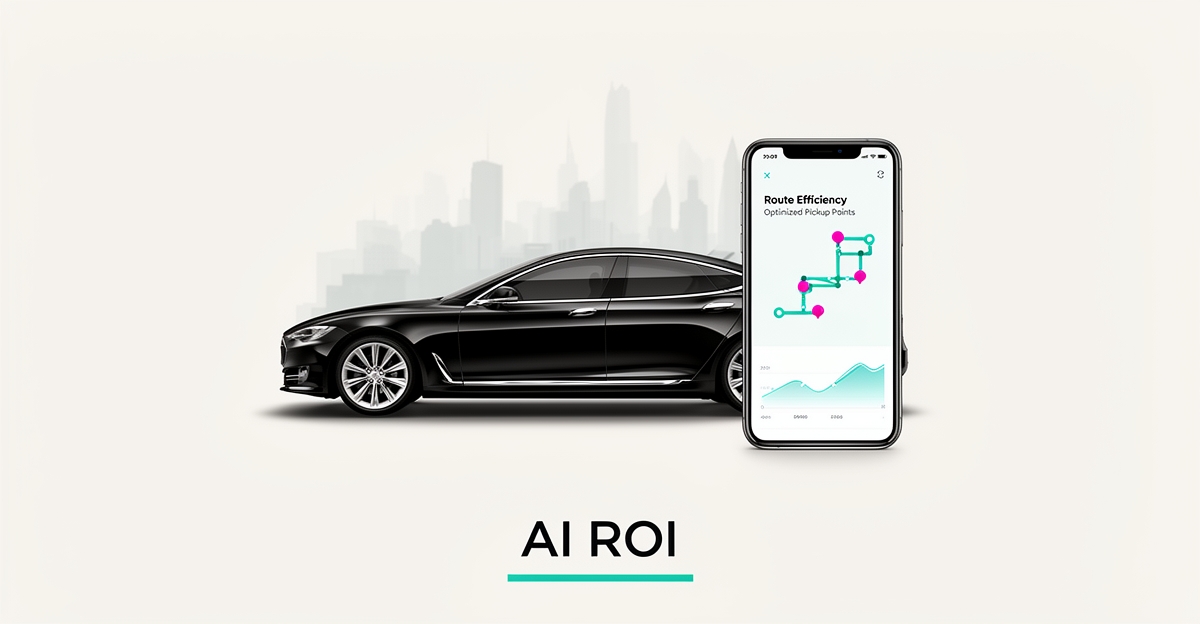
Idle time is the most visible drain. Industry research suggests AI-driven forecasting and scheduling can meaningfully reduce idle time in transportation while trimming operational costs. That combination directly protects margins in a business where driver hours and fuel are the largest variable expenses.
Manual dispatch still dominates too many fleets. Phone calls go unanswered after hours, bookings sit in email, and dispatchers make routing decisions with incomplete real-time data. The result is missed revenue, double-bookings, and drivers sitting between jobs. Analysis of the sector notes AI streamlines backend operations by automating dispatching, scheduling, and fleet management, reducing manual errors and improving resource allocation.
Client expectations have shifted from availability to anticipation. Discerning riders expect instant confirmation, personalized preferences remembered, and proactive communication about delays. AI-driven personalization and predictive demand forecasting help operators meet that bar without adding headcount.
The core profit leaks operators can no longer ignore include:
- Idle vehicles between pickups and deadhead miles from poor routing
- Missed calls and slow booking responses outside business hours
- Manual dispatch errors that cause late arrivals and rework
- Rising client expectations for 24/7 availability and personalized service
Efficiency is now a competitive necessity, not a back-office project. Transportation studies also point to substantial fuel savings through AI-powered route optimization and real-time traffic adaptation. For SMBs, the question is less about whether AI works and more about where to apply it first for measurable ROI.
This is where ROI modeling and business cases matter. AIQ Labs helps SMBs rebuild the one workflow that costs the most, at a fixed price, in phases—showing how a targeted dispatch or booking fix can typically save thousands annually in labor and missed calls. The focus is on high-impact pain points, not broad transformation for its own sake.
Operators who close these leaks first gain pricing power, higher utilization, and better retention. Those who don't are funding their competitors' growth with every idle hour.
Idle time, missed calls, and manual errors are not operational trivia. They are the profit leak that determines who wins in a tightening market.
Where AI Delivers Measurable ROI in Chauffeured Transport
The numbers tell a clear story: AI isn't experimental anymore — it's where the margin lives. Chauffeured transport operators who have moved beyond spreadsheets are seeing measurable returns across dispatch, pricing, and client retention.
Predictive analytics turns historical booking data, seasonal patterns, and event calendars into staffing and fleet decisions that cut idle time. Research suggests AI-driven demand forecasting can significantly reduce idle time while ensuring the right vehicles are staged for peak demand according to industry analysis. Real-time route optimization goes a step further, ingesting live traffic, road closures, and weather to shave minutes off every trip — cutting fuel waste across the fleet per transportation sector data.
Dynamic pricing adjusts rates the moment demand shifts, capturing revenue that static price sheets leave on the table. Meanwhile, 24/7 AI reception and dispatch eliminates missed calls — the single biggest revenue leak for SMB operators — without the cost of overnight staff. Personalization engines layer on top, using ride history and preferences to automate vehicle selection, amenity prep, and communication cadence, driving higher repeat-book rates.
- Predictive demand forecasting aligns fleet and staffing to actual need
- Real-time route optimization cuts fuel waste from deadhead miles and traffic guesswork
- Dynamic pricing captures peak revenue automatically
- AI reception and dispatch provides 24/7 coverage without overnight headcount
- Personalization engines increase client retention through automated preference matching
AIQ Labs helps operators model these gains before spending a dollar — mapping a targeted workflow build to the annual labor and missed-call savings it unlocks. The ROI isn't theoretical; it's in the dispatch log, the fuel card, and the client list.
Cost vs Benefit: Modeling AI for SMB Black Car Fleets
For most SMB black car operators, the ROI question isn't theoretical—it's about whether a contained workflow fix can stop the bleeding from missed calls, idle vehicles, and manual dispatch errors. Industry data suggests AI can deliver meaningful reductions in operational costs and idle time across transportation fleets, but those macro numbers only matter if they translate to your daily P&L.
Research from Valasys indicates that AI-driven route optimization and predictive demand forecasting directly attack the two biggest profit drains: fuel waste and underutilized assets. When a single missed after-hours call represents a $300–$500 airport transfer, and your dispatcher is juggling three screens at 6 PM on a Friday, the math shifts fast.
- Missed-call revenue loss: 2–3 calls/week × $400 avg = $41,600–$62,400 annually
- Idle fleet hours: 10 hrs/week × $75/hr opportunity cost = $39,000 annually
- Manual dispatch errors: 5–10 hrs/week rework × $30/hr = $7,800–$15,600 annually
- After-hours staffing gap: $35,000–$55,000 salary + benefits for 40 hrs vs. 168 hrs coverage
This is where AIQ Labs models investments differently—we don't sell generic AI. We map your actual call volumes, dispatch workflows, and fleet utilization against industry benchmarks, then build a targeted AI employee — a receptionist, dispatcher, or both — that plugs into your existing CRM and scheduling tools, typically at a fraction of the cost of a human hire. For an SMB, the win is narrow and concrete: one workflow, owned outright, delivering measurable savings within the first month.
Risks, Readiness, and How to Start Without Overcommitting
Adopting AI in black car services feels urgent, but moving too fast can create more problems than it solves. The most successful operators start by naming the real barriers and then test small.
Data privacy tops the list of adoption concerns. The collection and use of large amounts of customer data raise concerns about data privacy and security, and businesses must implement robust data protection measures to comply with regulations and maintain customer trust. Industry analysis also flags initial investment costs as a barrier for smaller businesses, with implementing AI-powered solutions requiring upfront investment in software, hardware, and training. Reliability matters too; over-reliance on AI systems can lead to operational disruptions if technical glitches occur, so contingency plans and reliable infrastructure are essential.
Staff adoption is the quiet risk. Dispatchers and drivers who have run manual boards for years need clear workflows, not another dashboard. Without training and a human-in-the-loop safety net, even a well-built model sees low use. That is why a lean start beats a big bang.
A practical path begins with one painful workflow, not the whole operation. Identify the pain point, pilot a contained use case, integrate clean data, then scale what proves value. This approach mirrors how AIQ Labs helps SMBs model AI investments with industry-specific data, showing how a targeted workflow fix can deliver measurable savings without enterprise-scale spend.
A lean implementation path looks like this:
- Identify specific pain points where AI can provide the most significant impact, such as demand forecasting, route optimization, or customer service.
- Pilot one workflow like dispatch or booking with a small, measurable scope before full-scale implementation.
- Ensure data integration and clean, accessible systems so the pilot runs on reliable inputs.
- Train staff on how to use and interpret insights, then scale the workflow once results are validated.
The upside of getting this right is clear. Research on transportation AI cites meaningful reductions in idle time and operational costs, with additional fuel savings through smarter routing and dispatch.
For operators who want to test without overcommitting, Start Monthly offers one AI employee with setup plus a flat monthly plan, build and training included and the ability to pause or adjust anytime. Build in Milestones splits a workflow or department system into phases you approve and pay for as they ship, and Own It Outright delivers a full AI operating system with full ownership of code, agents, and data when complete.
Start with the 2-minute Fit Check to map your biggest bottleneck and see if a clear, low-risk win exists.
Still paying for 10+ subscriptions that don’t talk to each other?
We build custom AI systems you own outright. No vendor lock-in. Full control.
Not sure where to start? Ask our AI planner
Frequently Asked Questions
Is AI actually worth it for a small black car or limo fleet, or is it just hype?
How much idle time and fuel waste can AI realistically cut?
What's the biggest profit leak AI fixes first for chauffeur services?
How expensive is it to get started and what's the ROI timeline?
What are the main risks with AI in black car services?
How can I test AI without overcommitting my whole operation?
Where the Real Profit Lives: Turning AI Insight into Action
Black car operators aren't just fighting for bookings—they're fighting against idle miles, missed calls, and manual errors that silently erode margins. The data suggests AI can meaningfully cut idle time, reduce fuel waste, and eliminate the revenue leak of after-hours missed calls—turning what feels like a cost center into a source of pricing power and client loyalty. But the real win isn't in the technology; it's in targeting one painful workflow first, proving value fast, and scaling only what works. For SMB fleets, that means starting with a fit check to map your biggest bottleneck and see if a clear, low-risk win exists—no overhaul, no guesswork, just a path to measurable savings. Start the Fit Check to see where AI delivers real ROI for your operation.
Make AI your competitive advantage — not just another tool.
Strategy, implementation and ongoing optimization. One partner, end to end.
Not sure where to start? Ask our AI planner