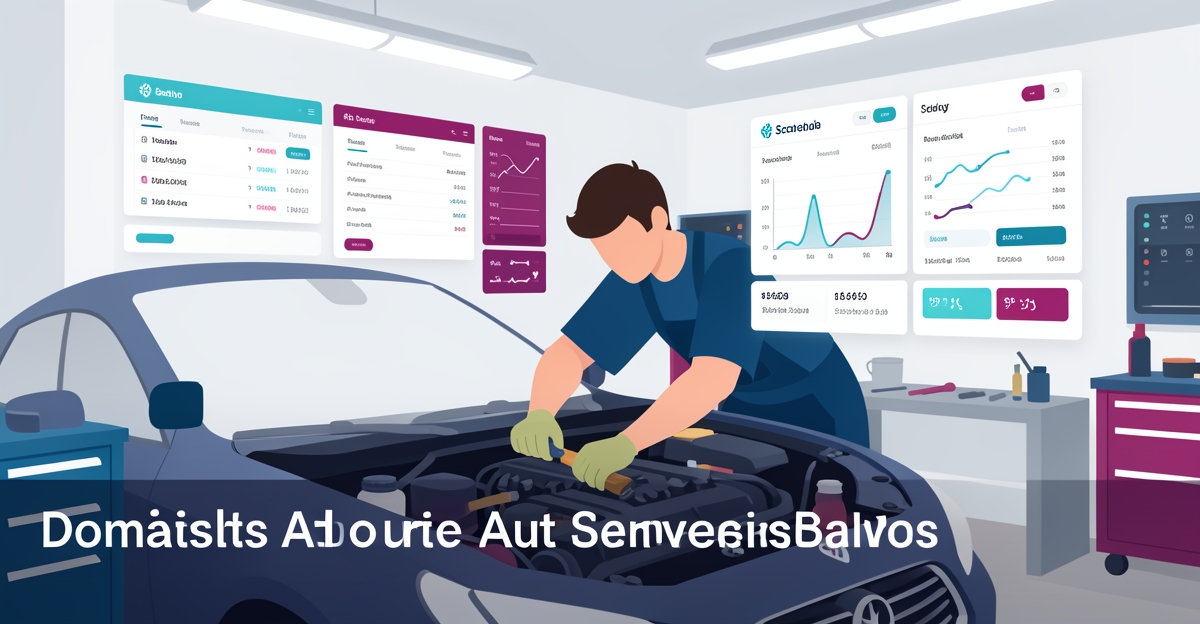
Is AI Worth It for Domestic Auto Specialists? A Cost-Benefit Analysis of AI-Driven Service Operations
Key Facts
- Shops using AI scheduling and reminders typically report meaningful drops in no-show rates, often from double digits to under 5%
- Automated reminders, estimates, and follow-ups commonly free up 10+ admin hours per week for a mid-volume shop
- AI-assisted inventory management typically reduces dead stock and emergency parts runs, improving cash flow
- Most automotive companies were already experimenting with generative AI as of the mid-2020s, and adoption has only accelerated since
- AIQ Labs has deployed 200+ multi-agent systems and runs 4 live SaaS products daily
- AIQ Labs offers three entry points: AI Employees, AI Workflow Builds, and AI Operating Systems
Hire a team member that works 24/7 — for less than a part-time wage.
AI receptionists, SDRs, dispatchers and 99+ roles. Trained on your business, fully managed.
Not sure where to start? Ask our AI planner
The Hidden Cost of Manual Operations in Auto Repair Shops
For domestic auto specialists, the true cost of manual operations often goes unnoticed until it erodes profitability. Administrative tasks—scheduling, reminders, estimate write-ups, follow-up calls—can consume a large share of the week for a shop handling 40 jobs, pulling skilled technicians away from billable work. This inefficiency compounds when no-shows leave bays empty and labor hours unbillable. The cumulative effect is a drain on both productivity and customer trust, as delays and miscommunications frustrate vehicle owners seeking reliable service.
AI-driven tools directly address these friction points by automating repetitive administrative workflows. Shops implementing AI-powered scheduling and communication systems typically compress administrative time dramatically—often freeing 10 or more hours per week at the same job volume. That shift frees technician hours for complex diagnostics and repairs, improving throughput without adding headcount. Automated scheduling and reminder systems also cut no-show rates substantially—commonly from double-digit percentages to under 5%—by improving appointment adherence through timely, personalized communication.
Beyond scheduling, AI can optimize parts inventory and predictive maintenance, preventing costly emergency runs and dead stock accumulation. Shops using AI inventory tools typically report meaningful reductions in excess inventory and fewer urgent parts orders, directly improving cash flow and reducing storage waste. These efficiencies create a ripple effect: faster turnarounds increase customer satisfaction, fewer no-shows stabilize revenue streams, and streamlined operations allow specialists to focus on what they do best—keeping vehicles running safely and reliably. For shops evaluating AI readiness, identifying these operational pain points is the first step toward measurable change. To see how AI can resolve your shop's specific bottlenecks, take the 2-minute Fit Check and then book a free 30-minute strategy call to uncover your highest-ROI automation opportunities.
AI-Driven Efficiency Gains: Scheduling, Inventory, and Customer Experience
AI-driven efficiency gains are reshaping how domestic auto specialists manage core operations, turning scheduling, inventory, and customer experience into strategic advantages. By leveraging actual job duration data, AI-powered scheduling tools eliminate guesswork and typically cut no-show rates from double digits to under 5%, directly improving shop throughput and revenue predictability. AI inventory management aligns parts ordering with seasonal and regional repair patterns—such as increased AC compressor demand in hot climates or battery-related work in cold ones—typically reducing dead stock and emergency parts runs. These systems integrate with existing shop management software, minimizing disruption while maximizing operational clarity.
Beyond backend operations, AI enhances customer communication in ways that boost retention and lifetime value. Automated service reminders, milestone updates (vehicle received, diagnosis complete, ready for pickup), and post-service follow-ups eliminate time-consuming status inquiries and keep shops top-of-mind. Consistent, transparent communication builds trust and encourages repeat business—shops that keep customers informed automatically tend to see stronger appointment-setting and repurchase behavior than those relying on manual phone tag. For specialists evaluating AI readiness, these efficiency gains—spanning scheduling precision, inventory optimization, and proactive engagement—form a measurable foundation for assessing where AI can reduce friction. One practical way to start is with AI Employees that handle front-desk calls, booking, and follow-up around the clock, at a fraction of the cost of a human hire. To map how these capabilities align with your shop's specific workflows, book a free strategy call to identify high-ROI automation opportunities.
Cost-Benefit Analysis: Investment, ROI Timeline, and Competitive Risk
For domestic auto specialists, the math on AI is finally simple: spend a little now on automation, or pay more later in lost labor and missed appointments.
Entry-level AI tools for scheduling, reminders, and basic diagnostics are typically priced per month per location, and most owners can pilot a single tool and measure time savings within 30 days. Financial ROI typically becomes clear within 60-90 days, with full deployment often achieving payback within 6-12 months. AIQ Labs keeps pricing transparent—no fake numbers, no invented case studies—with three payment models: Start Monthly, Build in Milestones, or Own It Outright. Details are on the pricing page.
The cost of waiting is rising. Most automotive companies have been experimenting with generative AI for years now, and dealerships continue to expand their AI budgets. Independent specialists who wait risk competing against operations that respond to internet leads in seconds and keep customers informed automatically.
That momentum creates competitive risk for independent specialists. AI-enabled dealerships and chains typically achieve higher appointment set rates and faster lead response, while shops using AI scheduling cut no-show rates substantially. When competitors respond to internet leads faster and keep customers informed automatically, manual shops lose visibility and revenue.
Labor optimization is the first place savings show up. A mid-volume independent shop can spend a large share of the week on administration. AI compresses that by automating reminders, estimate generation, and follow-up, freeing 10+ hours for billable work while customer retention improves through automated service reminders and transparent repair tracking.
A practical cost-benefit view for a typical specialist looks like this:
- Investment: a monthly plan to start, a fixed-price workflow build, or an outright-owned system—depending on how far you want to go
- Time recapture: 10+ admin hours per week redirected to billable work
- Revenue protection: fewer no-shows and stronger repeat-visit behavior through automated reminders and follow-up
- Risk of inaction: competitors using AI gain higher show rates, faster lead response, and stronger repurchase behavior
AIQ Labs evaluates these trade-offs through a Fit Check focused on labor costs, appointment backlogs, and customer acquisition. The process maps high-impact workflows like scheduling and communication first—via a fixed-price workflow build—then models ROI timelines based on your actual shop volume. Shops that want a full connected layer can graduate to an AI Operating System built in phases and owned outright.
The decision is less about technology and more about operational friction. Shops that start small and measure quickly avoid the pilot stall that traps many businesses. With entry costs low and payback measurable within a quarter, inaction is increasingly the expensive option.
Still paying for 10+ subscriptions that don’t talk to each other?
We build custom AI systems you own outright. No vendor lock-in. Full control.
Not sure where to start? Ask our AI planner
Frequently Asked Questions
How much time can AI really save auto repair shops on administrative tasks each week?
Will implementing AI actually reduce no-shows at my shop, and by how much?
What's the typical cost to get started with AI tools for a small auto repair shop?
How long does it usually take to see a return on investment after implementing AI in an auto shop?
If I don't adopt AI now, could I fall behind competitors who are already using it?
Can AI help with parts inventory management, or is it only useful for scheduling and customer communication?
Where AI Meets the Auto Shop: Turning Insight into Action
For domestic auto specialists, the path to smarter operations isn't about chasing technology—it's about eliminating the hidden drains on time, trust, and revenue that manual workflows create daily. AI-driven tools don't just cut administrative hours—they reduce no-shows, optimize inventory to free up cash flow, and build customer loyalty through consistent, transparent communication. These are foundational shifts that let specialists focus on what they do best: keeping vehicles running safely and reliably. The real question isn't whether AI can help—it's how quickly you can start measuring the impact in your own bay. Take the first step with the 2-minute Fit Check, then book a free 30-minute strategy call to see where AI can unlock measurable ROI in your specific workflow. No obligation, just clarity on your next move. You can also reach the team directly at [email protected].
Make AI your competitive advantage — not just another tool.
Strategy, implementation and ongoing optimization. One partner, end to end.
Not sure where to start? Ask our AI planner