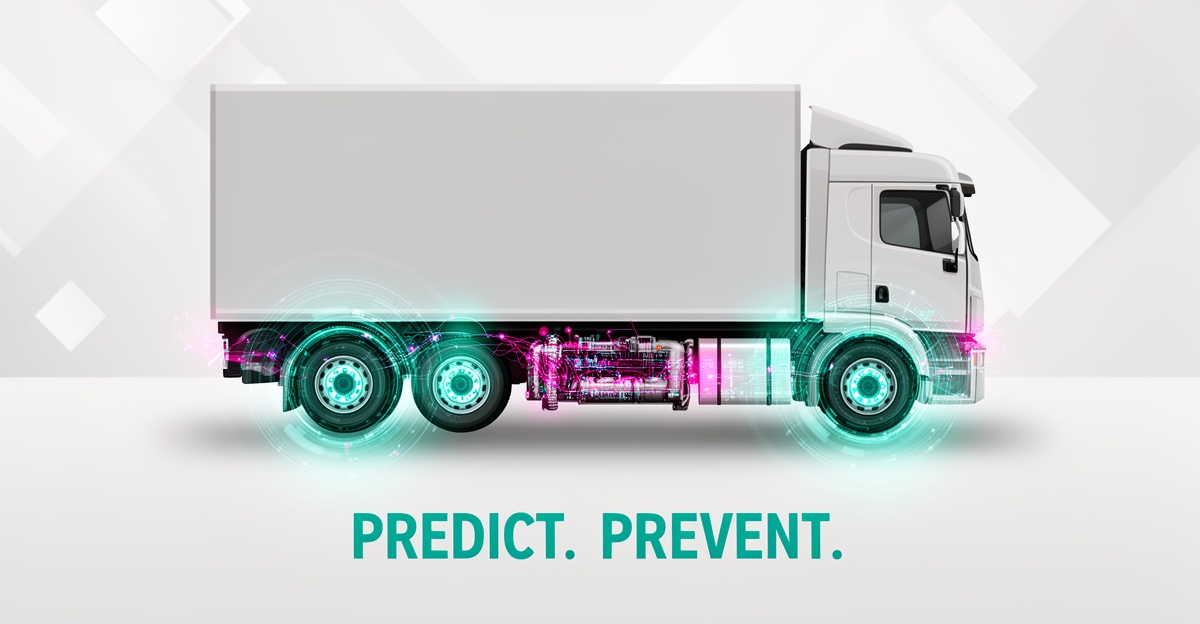
Should Truck Rental Companies Use AI for Maintenance and Vehicle Tracking?
Key Facts
- Fleet maintenance analyses estimate unplanned breakdowns cost operators roughly $4,800 per vehicle annually according to fleet maintenance research
- AI-powered predictive maintenance is typically credited with reducing unexpected breakdowns by 30-40% in truck rental fleets per HumanAI industry research
- Condition-based maintenance is reported to extend vehicle lifecycles by 15-20% while cutting maintenance costs 30-40% per fleet maintenance research
- Industry analyses suggest roughly 70% of breakdowns happen between scheduled preventive maintenance intervals according to fleet maintenance research
- AI-optimized scheduling is credited with reducing unplanned breakdowns by 45-60% and cutting maintenance costs by 30-40% per fleet maintenance research
- The truck rental market was projected to grow by $40 billion between 2024 and 2028 per Technavio market report
- AI-driven condition-based maintenance is reported to prevent up to 80% of unplanned failures according to fleet maintenance research
Hire a team member that works 24/7 — for less than a part-time wage.
AI receptionists, SDRs, dispatchers and 99+ roles. Trained on your business, fully managed.
Not sure where to start? Ask our AI planner
The Cost of Reactive Maintenance in Truck Rentals
For a mid-size truck rental fleet, unplanned breakdowns aren't an occasional inconvenience—they're a recurring line-item loss. Fleet maintenance analyses estimate operators lose an average of $4,800 per vehicle annually to unplanned breakdowns, which can approach $1 million in avoidable costs for a mid-size operation, according to fleet maintenance research.
The root cause, in most cases, is surprisingly simple: maintenance scheduled by calendar instead of by condition. Fixed intervals—every 90 days, every 10,000 miles—assume all vehicles wear at the same rate. In reality, a truck hauling heavy loads through mountain terrain degrades very differently from one making short urban rentals, even if both hit the shop on the same schedule.
Industry research points to how badly that assumption fails:
- Roughly 70% of breakdowns happen between scheduled preventive maintenance intervals
- Around 60% of fleet assets are over-serviced by calendar-based PM, wasting parts and labor
- Up to 80% of unplanned failures are considered preventable with AI-driven condition-based maintenance
That last figure matters most. Condition-based programs that connect OBD-II data, telematics, and maintenance history are credited with reducing unplanned downtime by 45-60% within the first 12 months, while cutting overall maintenance costs by 30-40% through better-timed parts replacement. Predictive approaches also extend component life—research suggests components can last up to 2.4x longer when replacement is driven by AI-predicted intervals rather than fixed schedules.
For an industry running on thin margins, these aren't marginal gains. The truck rental market was projected to grow by $40 billion between 2024 and 2028, with North America contributing nearly half of that growth, according to a Technavio market report. Operators who keep trucks on the road capture that demand; operators dealing with roadside failures and angry customers don't.
This is where the financial case for AI becomes hard to ignore. Real-time vehicle health monitoring—tracking fault codes, usage patterns, and driving conditions as they happen—flags problems weeks before they become breakdowns. Companies like AIQ Labs build these systems through AI Workflow Builds, rebuilding the specific workflow that costs you the most—like maintenance scheduling—at a fixed price and in phases, so maintenance decisions are driven by actual vehicle condition rather than a wall calendar.
The math is straightforward: when a single avoided breakdown saves thousands in towing, repairs, rental downtime, and lost bookings, the question shifts from whether AI-driven maintenance pays for itself to how quickly.
How AI Predictive Maintenance Reduces Breakdowns by 30-40%
AI-powered predictive maintenance transforms fleet reliability by shifting from fixed schedules to condition-based monitoring. By analyzing real-time OBD data, usage patterns, and maintenance history, AI identifies optimal service intervals before failures occur. This approach is credited with preventing up to 80% of unplanned failures by addressing issues during the critical window between scheduled services, where roughly 70% of breakdowns traditionally happen. For truck rental companies managing 200+ vehicles, that can mean avoiding close to $1M annually in breakdown costs at an estimated $4,800 per vehicle. The technology enables fleet managers to move beyond reactive repairs and toward data-driven decisions that keep vehicles operational longer.
Condition-based monitoring is reported to extend vehicle lifecycles by 15-20% while cutting maintenance costs 30-40%. AI-optimized scheduling reduces unnecessary services—currently affecting an estimated 60% of fleet assets under calendar-based plans—by aligning maintenance with actual component wear. Predictive replacement timing is further credited with cutting parts costs by up to 50% through precise timing of interventions. These improvements compound over time, with AI-predicted intervals delivering up to 2.4x longer component life compared to fixed schedules. For rental fleets operating on thin margins, such efficiency gains directly improve profitability without requiring additional capital investment.
AIQ Labs builds analytics systems that implement these principles through real-time fleet performance tracking and risk flagging. These platforms integrate OBD-II data, telematics streams, and maintenance logs to create dynamic service recommendations. By targeting a 30-40% reduction in unexpected breakdowns and a 45-60% reduction in unplanned downtime in the first year, AI-driven maintenance delivers measurable ROI. The technology works by continuously monitoring vehicle health indicators—from engine diagnostics to fluid levels—ensuring service occurs only when condition data indicates genuine need. This precision eliminates both over-maintenance and dangerous under-service, creating a sustainable balance for fleet longevity.
Implementing AI Fleet Intelligence: From Data to Action
Moving from pilot to production means connecting the data you already generate to decisions that happen every day. Truck rental fleets emit continuous telematics, OBD fault codes, hours-of-service logs, and maintenance work orders. The value comes from turning that stream into condition-based actions.
Start by unifying telematics and maintenance data. Telematics platforms like Samsara, Geotab, and Motive provide location, speed, idle time, harsh braking, and fuel level in real time. Maintenance platforms such as Fleetio add work order history. AI links these sources with ERP and shop systems so vehicle health is visible in one place. This integration is the foundation for predictive maintenance that analyzes actual usage patterns instead of calendar intervals.
Next, build predictive models around the components that drive cost. Identify high-risk assets, install or connect sensors for temperature, vibration and pressure, and label historical failure events. Models trained on this data can forecast failures and recommend replacement intervals. Fleet maintenance research suggests condition-based preventive maintenance can reduce unplanned breakdowns by 45-60% and cut maintenance costs by 30-40%.
Automation closes the loop from alert to action. When an AI model flags risk, the system auto-creates a work order, assigns a technician, and notifies the rental desk to adjust availability. Digital twin simulations and AI vision at check-in detect exterior damage, tire wear, and fluid leaks, reportedly reducing inspection time by up to 60%. The result is fewer unexpected breakdowns and longer asset life.
Practical implementation follows a repeatable sequence:
- Map data sources and connect telematics, OBD-II, ELD, and maintenance platforms via APIs
- Label failure history and train models to predict component degradation under real operating conditions
- Deploy automated workflows for alerts, work order creation, parts ordering, and technician notification
- Visualize risk in real-time dashboards for fleet managers and rental operations
Fleet maintenance analyses estimate operators lose an average of $4,800 per vehicle annually to unplanned breakdowns, which can approach $1M for a mid-size fleet. Industry analysis notes that roughly 70% of breakdowns happen between scheduled PM intervals, while up to 80% of unplanned failures are considered preventable with AI condition-based PM.
AIQ Labs builds these end-to-end analytics systems that track fleet performance in real time and flag risks before they become downtime—delivered as an owned system you keep outright, not a patchwork of subscriptions. By replacing rigid schedules with usage-based service, rental companies can extend vehicle lifecycles by 15-20% and reduce unexpected breakdowns by 30-40%. Rental industry research supports that the gains are achievable when data, models, and workflows are designed together.
Still paying for 10+ subscriptions that don’t talk to each other?
We build custom AI systems you own outright. No vendor lock-in. Full control.
Not sure where to start? Ask our AI planner
Frequently Asked Questions
How much money can truck rental companies save by using AI for maintenance instead of calendar-based schedules?
What percentage of breakdowns happen between scheduled maintenance intervals, and how does AI help prevent them?
Does AI predictive maintenance actually extend the life of truck components, and by how much?
Is AI maintenance technology too complex or expensive for small to mid-size truck rental companies to implement?
What data sources do AI maintenance systems use to predict truck failures before they happen?
How quickly can truck rental companies see results after implementing AI-driven maintenance?
From Calendar to Condition: The New Standard for Fleet Profitability
The math for truck rental fleets is clear. Calendar-based maintenance assumes every vehicle ages the same, yet industry research suggests roughly 70% of breakdowns happen between scheduled intervals while around 60% of assets are over-serviced. Shifting to condition-based monitoring with AI changes that equation, with reported reductions in unplanned downtime of 45-60% in the first year, maintenance costs down 30-40%, and component life extended up to 2.4x. For a mid-size fleet, that can mean reclaiming close to $1M in avoidable costs from the estimated $4,800 per vehicle lost annually to unplanned breakdowns, fleet maintenance research suggests. The next step is practical: unify telematics, OBD-II and maintenance data, label failure history for your highest-cost components, and automate alerts into work orders and rental desk updates. AIQ Labs builds these systems—whether as a single workflow rebuild or a full connected operating layer you own outright—turning data you already generate into condition-driven decisions. Take the 2-minute Fit Check at https://aiqlabs.ai/apply, then book a free 30-minute strategy call to map your biggest bottleneck and identify high-ROI automation opportunities.
Make AI your competitive advantage — not just another tool.
Strategy, implementation and ongoing optimization. One partner, end to end.
Not sure where to start? Ask our AI planner