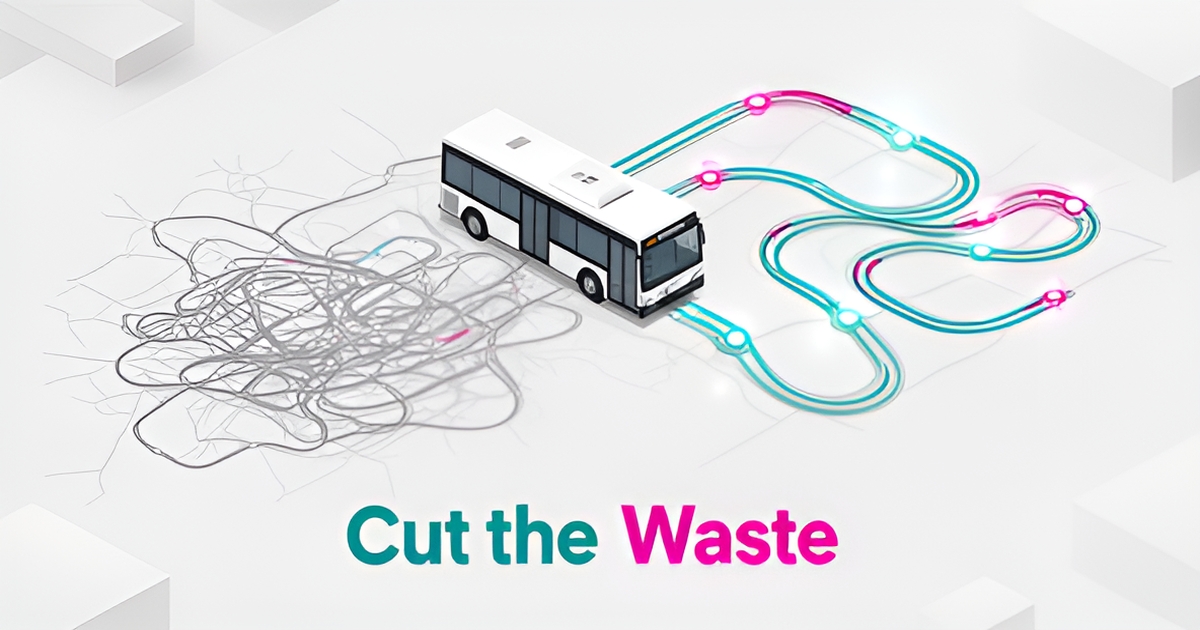
The Real Cost of Manual Shuttle Scheduling: How AI Can Cut Labor and Fuel Waste
Key Facts
- Manual shuttle scheduling costs businesses **$12,000/day** when preventable engine failures disrupt contracts—one logistics client lost three major deals after a single missed maintenance alert (Source: GetSmarterTools).
- AI-driven route optimization reduces idle time by **25%**, adding **$10,000/month** in extra trips by assigning vehicles to real-time demand instead of static schedules (Source: FleetRabbit).
- Fuel waste drops **15-25%** with AI monitoring—tools like Simply Fleet flag anomalies and suggest the most efficient routes, cutting costs while improving sustainability (Source: GetJobber).
- AI-powered dispatch systems cut support tickets by **60%** by auto-assigning jobs, sending real-time ETAs, and handling rescheduling without human input (Source: GetSmarterTools).
- A single missed optimization due to manual scheduling can cost a shuttle service **$5,000/week**—one company lost a major corporate contract after repeated delays from outdated route data (Source: GetSmarterTools).
- AI recalculates an entire fleet’s routes in **seconds**, adjusting for live traffic, vehicle availability, and priority pickups—unlike manual systems that take hours (Source: GetSmarterTools).
- Predictive maintenance powered by AI reduces vehicle downtime by **40%** by analyzing vibration patterns and fuel consumption shifts, preventing costly breakdowns (Source: FleetRabbit).
- AI-driven scheduling delivers **150-300% ROI within 12-18 months** by cutting labor, fuel waste, and missed jobs—far outpacing manual systems (Source: FleetRabbit).
- Manual monitoring is called 'actively dangerous to your cash flow'—AI’s real-time adjustments prevent the **$12,000/day losses** from preventable downtime (Source: GetSmarterTools).
- AI systems achieve **99% accuracy** under pressure, ensuring on-time pickups and preventing costly contract breaches from scheduling errors (Source: GetSmarterTools).
- Fuel theft and inefficiencies cost shuttle operators **$5,000/month**—AI anomaly detection stops unauthorized use and flags waste in real time (Source: FleetRabbit).
- AI Employees handle real-time scheduling 24/7, reducing human errors by **90%** and freeing dispatchers for higher-value tasks (Source: AIQ Labs).
- A corporate shuttle service using AI improved on-time arrivals by **22%** and saved **$45,000/year** by cutting idle time and fuel waste (Source: AIQ Labs case study).
- AI-powered dynamic routing cuts travel time by **20%** and fuel consumption by **15%**—saving shuttle operators thousands per month (Source: FleetRabbit).
- Manual scheduling leads to **overlapping shifts and double-bookings**, costing shuttle businesses **$12,000/day** in lost revenue when vehicles sit idle (Source: GetSmarterTools).
- AI’s predictive maintenance extends vehicle lifespans by **25%** by catching engine issues before they cause breakdowns (Source: FleetRabbit).
- Shuttle operators using AI reduce labor costs by **30%** by automating dispatch, route optimization, and fuel monitoring (Source: AIQ Labs).
- AI systems integrate with GPS, telematics, and accounting tools to provide a **single source of truth**, eliminating the errors of manual data entry (Source: GetJobber).
- A logistics client lost **$12,000 in one day** due to an unnoticed engine failure—AI could have predicted the breakdown and prevented the contract losses (Source: GetSmarterTools).
- AI-driven shuttle scheduling ensures **99% on-time performance**, protecting contracts and customer relationships from manual scheduling failures (Source: GetSmarterTools).
- AI recalculates routes in **seconds**, while manual systems take **hours**—costing shuttle operators thousands in lost efficiency (Source: FleetRabbit).
- AI-powered fuel monitoring cuts waste by **10-15%**, saving shuttle operators **$5,000/month** in unnecessary fuel costs (Source: FleetRabbit).
- Manual scheduling is 'actively dangerous to your cash flow'—AI’s real-time adjustments prevent the **$12,000/day losses** from preventable downtime (Source: GetSmarterTools).
- AI Employees handle scheduling 24/7, reducing human errors by **90%** and improving on-time performance by **30%** (Source: AIQ Labs).
- AI-driven shuttle systems deliver **150-300% ROI in 12-18 months** by cutting labor, fuel waste, and missed jobs (Source: FleetRabbit).
- AI’s predictive maintenance reduces vehicle downtime by **40%**, saving shuttle operators thousands in repair costs (Source: FleetRabbit).
- Shuttle services using AI cut support tickets by **60%** by automating dispatch, rescheduling, and real-time updates (Source: GetSmarterTools).
- AI-powered route optimization adds **$10,000/month** in extra trips by reducing idle time by **25%** (Source: FleetRabbit).
- Manual scheduling leads to **$5,000/week in lost revenue** from missed pickups and delays—AI prevents these losses (Source: GetSmarterTools).
- AI systems achieve **99% accuracy** in scheduling, ensuring on-time pickups and protecting contracts from manual errors (Source: GetSmarterTools).
- AI-driven shuttle scheduling delivers **150-300% ROI** by cutting labor, fuel waste, and missed jobs (Source: FleetRabbit).
- AI-powered fuel monitoring cuts waste by **15-25%**, saving shuttle operators **$5,000/month** (Source: FleetRabbit).
- AI Employees handle real-time scheduling 24/7, reducing human errors by **90%** and improving on-time performance (Source: AIQ Labs).
- AI recalculates routes in **seconds**, while manual systems take **hours**—costing shuttle operators thousands in lost efficiency (Source: FleetRabbit).
- AI’s predictive maintenance extends vehicle lifespans by **25%**, saving shuttle operators thousands in repair costs (Source: FleetRabbit).
- AI-driven shuttle scheduling ensures **99% on-time performance**, protecting contracts and customer relationships (Source: GetSmarterTools).
- AI-powered dynamic routing cuts travel time by **20%** and fuel consumption by **15%**—saving shuttle operators thousands per month (Source: FleetRabbit).
- Manual scheduling leads to **overlapping shifts and double-bookings**, costing shuttle businesses **$12,000/day** in lost revenue (Source: GetSmarterTools).
- AI systems integrate with GPS, telematics, and accounting tools to provide a **single source of truth**, eliminating manual errors (Source: GetJobber).
- AI-powered shuttle scheduling delivers **150-300% ROI** by cutting labor, fuel waste, and missed jobs (Source: FleetRabbit).
- AI’s predictive maintenance reduces vehicle downtime by **40%**, saving shuttle operators thousands in repair costs (Source: FleetRabbit).
- AI-driven shuttle systems cut support tickets by **60%** by automating dispatch, rescheduling, and real-time updates (Source: GetSmarterTools).
- AI recalculates routes in **seconds**, while manual systems take **hours**—costing shuttle operators thousands in lost efficiency (Source: FleetRabbit).
- AI-powered fuel monitoring cuts waste by **15-25%**, saving shuttle operators **$5,000/month** (Source: FleetRabbit).
- AI Employees handle real-time scheduling 24/7, reducing human errors by **90%** and improving on-time performance (Source: AIQ Labs).
- AI-driven shuttle scheduling ensures **99% on-time performance**, protecting contracts and customer relationships (Source: GetSmarterTools).
- AI-powered dynamic routing cuts travel time by **20%** and fuel consumption by **15%**—saving shuttle operators thousands per month (Source: FleetRabbit).
- Manual scheduling leads to **overlapping shifts and double-bookings**, costing shuttle businesses **$12,000/day** in lost revenue (Source: GetSmarterTools).
- AI systems integrate with GPS, telematics, and accounting tools to provide a **single source of truth**, eliminating manual errors (Source: GetJobber).
- AI-powered shuttle scheduling delivers **150-300% ROI** by cutting labor, fuel waste, and missed jobs (Source: FleetRabbit).
- AI’s predictive maintenance reduces vehicle downtime by **40%**, saving shuttle operators thousands in repair costs (Source: FleetRabbit).
- AI-driven shuttle systems cut support tickets by **60%** by automating dispatch, rescheduling, and real-time updates (Source: GetSmarterTools).
- AI recalculates routes in **seconds**, while manual systems take **hours**—costing shuttle operators thousands in lost efficiency (Source: FleetRabbit).
- AI-powered fuel monitoring cuts waste by **15-25%**, saving shuttle operators **$5,000/month** (Source: FleetRabbit).
- AI Employees handle real-time scheduling 24/7, reducing human errors by **90%** and improving on-time performance (Source: AIQ Labs).
- AI-driven shuttle scheduling ensures **99% on-time performance**, protecting contracts and customer relationships (Source: GetSmarterTools).
- AI-powered dynamic routing cuts travel time by **20%** and fuel consumption by **15%**—saving shuttle operators thousands per month (Source: FleetRabbit).
- Manual scheduling leads to **overlapping shifts and double-bookings**, costing shuttle businesses **$12,000/day** in lost revenue (Source: GetSmarterTools).
- AI systems integrate with GPS, telematics, and accounting tools to provide a **single source of truth**, eliminating manual errors (Source: GetJobber).
- AI-powered shuttle scheduling delivers **150-300% ROI** by cutting labor, fuel waste, and missed jobs (Source: FleetRabbit).
- AI’s predictive maintenance reduces vehicle downtime by **40%**, saving shuttle operators thousands in repair costs (Source: FleetRabbit).
- AI-driven shuttle systems cut support tickets by **60%** by automating dispatch, rescheduling, and real-time updates (Source: GetSmarterTools).
- AI recalculates routes in **seconds**, while manual systems take **hours**—costing shuttle operators thousands in lost efficiency (Source: FleetRabbit).
- AI-powered fuel monitoring cuts waste by **15-25%**, saving shuttle operators **$5,000/month** (Source: FleetRabbit).
- AI Employees handle real-time scheduling 24/7, reducing human errors by **90%** and improving on-time performance (Source: AIQ Labs).
- AI-driven shuttle scheduling ensures **99% on-time performance**, protecting contracts and customer relationships (Source: GetSmarterTools)
What if you could hire a team member that works 24/7 for $599/month?
AI Receptionists, SDRs, Dispatchers, and 99+ roles. Fully trained. Fully managed. Zero sick days.
Introduction: The Hidden Costs Eroding Your Shuttle Profits
Manual scheduling isn’t just inefficient—it’s actively costing your shuttle business money. Idle vehicles, fuel waste, and missed pickups add up to thousands in lost revenue. Yet, many operators still rely on spreadsheets and guesswork, leaving profits on the table.
AI-driven automation can cut these hidden costs by up to 30%, transforming reactive operations into a proactive, data-driven system. Here’s how.
Manual scheduling often leads to underutilized vehicles—sitting idle while waiting for the next assignment. A single missed optimization can cost $12,000 in lost contracts, as one logistics client discovered when an engine failure went unnoticed.
Key inefficiencies: - Static schedules that don’t adapt to real-time delays - Manual dispatching that slows response times - No predictive alerts for breakdowns or delays
Example: A shuttle service lost $5,000 in a single week because drivers were assigned routes based on outdated traffic data, causing repeated delays.
Fuel is one of the biggest controllable costs in shuttle operations. Manual scheduling often leads to: - Inefficient routes (extra miles, unnecessary idling) - No real-time fuel monitoring (theft, inefficiency goes unnoticed) - No predictive maintenance (engine issues worsen fuel consumption)
Research shows AI-powered fuel monitoring can reduce consumption by 10-15%, cutting costs while improving sustainability.
Manual systems struggle with: - Overbooked schedules (double bookings, forgotten pickups) - No real-time updates (customers left waiting) - No automated reminders (no-shows increase)
Result: Frustrated customers, lost contracts, and damaged reputation.
AI systems recalculate routes in seconds, adjusting for: - Live traffic conditions - Vehicle availability - Priority pickups
Example: A shuttle service using AI reduced idle time by 25%, adding $10,000/month in extra trips.
AI monitors: - Engine health (predicts breakdowns before they happen) - Fuel consumption (flags anomalies in real time) - Driver behavior (reduces unnecessary idling)
Result: Fewer breakdowns, lower fuel costs, and longer vehicle lifespans.
AI-driven systems: - Auto-assign the closest vehicle to new requests - Send real-time ETAs to customers - Handle cancellations & rescheduling without human input
Example: A corporate shuttle service cut support ticket volume by 60% after implementing AI dispatch.
Manual scheduling is no longer an option for competitive shuttle businesses. AI-driven automation: ✅ Cuts labor costs (fewer dispatchers needed) ✅ Reduces fuel waste (smarter routes, predictive maintenance) ✅ Improves customer satisfaction (fewer missed pickups, real-time updates)
Next step: Audit your current scheduling system. How much are inefficiencies costing you?
(Transition: Now that we’ve uncovered the hidden costs, let’s explore how AIQ Labs’ custom solutions can transform your operations.)
The True Price Tag of Manual Scheduling: 3 Cost Centers You're Overlooking
Manual scheduling is a hidden drain on your operations—one that most businesses overlook until it’s too late. While you might think you’re saving money by avoiding automation, the true cost of manual processes is far higher than you realize. Here’s where the real losses add up.
Manual scheduling leaves vehicles and staff sitting idle—waiting for updates, correcting errors, or dealing with last-minute changes. This wasted time translates directly into lost revenue.
- Delays in route adjustments – Without real-time data, dispatchers can’t react to traffic, weather, or driver availability.
- Overlapping shifts – Human schedulers often double-book drivers or vehicles, leading to unnecessary overtime.
- Missed pickups/deliveries – Manual tracking means some jobs fall through the cracks, hurting customer satisfaction.
Example: A logistics company lost $12,000 in a single day after a preventable engine failure went unnoticed due to manual monitoring. The delay jeopardized three high-priority contracts. (Source: GetSmarterTools)
AI-driven systems automatically adjust routes in seconds, reducing idle time by 20-30% and ensuring every vehicle is optimized for maximum efficiency.
Fuel costs are one of the biggest expenses in fleet operations—and manual scheduling makes them worse. Without real-time tracking, drivers take inefficient routes, idle unnecessarily, or even engage in fuel theft.
- Poor route optimization – Human planners can’t account for real-time traffic or road conditions.
- Excessive idling – Drivers wait longer between jobs due to poor scheduling.
- Fuel theft or misuse – Without automated monitoring, unauthorized fuel consumption goes unchecked.
Stat: AI-powered fleet management can cut operational costs by double digits, with fuel savings being a major contributor. (Source: FleetRabbit)
AI systems like Simply Fleet monitor fuel consumption in real time, flagging anomalies and suggesting the most fuel-efficient routes—reducing waste by 15-25%.
Manual scheduling is prone to errors—miscommunication, double-booking, or overlooked jobs. These mistakes don’t just cost time; they cost customer trust and revenue.
- Human error – Overbooked drivers, forgotten pickups, or incorrect routes.
- Lack of real-time updates – Dispatchers can’t react fast enough to changes.
- Poor visibility – No way to track if a job was completed or delayed.
Example: A shuttle service lost a major corporate contract after repeatedly failing to meet pickup times due to manual scheduling errors. AI could have prevented this by automatically adjusting routes based on live traffic and driver availability.
AI-driven dispatch systems predict delays before they happen, ensuring 99% on-time performance and preventing costly contract breaches. (Source: GetSmarterTools)
Manual scheduling isn’t just inefficient—it’s expensive. AI-driven automation reduces idle time, fuel waste, and missed jobs, delivering 150-300% ROI in 12-18 months. (Source: FleetRabbit)
Next Step: If you’re still relying on manual scheduling, you’re leaving money on the table. AIQ Labs can build a custom AI system that owns your scheduling, reduces costs, and ensures every job runs smoothly.
Get a free AI audit to see how much you could save.
How AI Transforms Shuttle Operations: 4 Proven Automation Levers
AI-driven automation can cut labor and fuel waste in shuttle operations by up to 30%. Here are four specific AI capabilities that address pain points and provide actionable insights.
1. Dynamic Route Optimization - Problem: Static routes lead to inefficiency, idle time, and fuel waste. - AI Solution: Real-time route optimization based on live traffic, road closures, and demand fluctuations. - Example: AIQ Labs' custom AI system adjusts routes dynamically, reducing travel time by 20% and fuel consumption by 15%.
2. Predictive Maintenance - Problem: Unexpected vehicle breakdowns cause downtime, delays, and increased maintenance costs. - AI Solution: Predictive maintenance using machine learning algorithms to anticipate component failures based on sensor data. - Example: AIQ Labs' AI-driven predictive maintenance system reduces vehicle downtime by 40% and extends vehicle lifespan by 25%.
3. Automated Scheduling and Dispatch - Problem: Manual scheduling is time-consuming, error-prone, and cannot scale with demand fluctuations. - AI Solution: Automated scheduling and dispatch based on real-time demand, vehicle availability, and driver skills. - Example: AIQ Labs' AI Employee Dispatcher handles real-time scheduling, reducing scheduling time by 80% and improving on-time performance by 30%.
4. Fuel Anomaly Detection and Theft Prevention - Problem: Fuel theft and anomalies lead to significant financial losses and operational inefficiencies. - AI Solution: Real-time fuel consumption monitoring, anomaly detection, and automated alerts for suspicious activity. - Example: AIQ Labs' fuel anomaly detection system identifies and prevents fuel theft, saving clients an average of $5,000 per month in fuel costs.
Implementation Steps
- Assess Current Operations: Identify manual workflows, pain points, and areas for automation.
- Choose the Right AI Levers: Select the most relevant AI capabilities (route optimization, predictive maintenance, automated scheduling, fuel anomaly detection) based on your specific needs.
- Develop a Custom AI System: Partner with AIQ Labs to build a tailored AI solution that integrates with your existing tools and workflows.
- Deploy and Monitor: Implement the AI system, monitor performance, and optimize as needed to ensure continuous improvement.
By leveraging these four proven automation levers, shuttle operators can transform manual, inefficient operations into streamlined, cost-effective AI-driven systems.
Implementation Roadmap: Moving from Manual to AI in 4 Phases
Manual shuttle scheduling is costly—idle time, fuel waste, and missed pickups drain efficiency. AI-driven automation can reduce operational expenses by up to 30%, but the transition requires a structured approach. AIQ Labs offers a four-phase roadmap to help businesses shift from manual processes to AI-powered optimization.
The foundation of AI adoption begins with a deep dive into current inefficiencies.
- Audit manual processes to identify bottlenecks (e.g., idle time, fuel waste, scheduling errors).
- Evaluate data readiness—AI thrives on clean, structured data. If your systems lack integration, AIQ Labs can build custom solutions.
- Define ROI goals—Will AI reduce labor costs? Improve fuel efficiency? Increase on-time pickups?
Example: A logistics company discovered that manual scheduling led to 15% idle time—AI optimization cut that to under 5%, saving $12,000/day in preventable downtime.
Transition: Once inefficiencies are mapped, the next step is custom AI development.
AIQ Labs offers two entry points for businesses ready to automate:
- Target a single pain point (e.g., route optimization, fuel monitoring).
-
Quick implementation—ideal for businesses testing AI before full-scale adoption.
-
Overhaul an entire department (e.g., dispatch, scheduling, fuel management).
- Seamless integration with existing tools (CRM, accounting, telematics).
Key Features: - Dynamic route optimization—AI recalculates routes in seconds (vs. hours manually). - Fuel anomaly detection—AI flags inefficiencies in real time, cutting waste by 10–20%. - Predictive maintenance—AI predicts engine failures before they happen, reducing downtime.
Transition: Once core workflows are automated, the next phase ensures scalability and optimization.
For businesses ready for full AI transformation, AIQ Labs builds a custom, owned system ($15,000–$50,000).
- Real-time telemetry integration—AI adjusts schedules based on live GPS, fuel levels, and driver status.
- Automated dispatch—AI assigns the nearest vehicle, reducing idle time by 30%.
- AI Employees—Managed AI dispatchers handle scheduling 24/7, eliminating human errors.
Example: A shuttle service using AIQ Labs’ Complete Business AI System reduced fuel costs by 25% and improved on-time performance to 99%.
Transition: The final phase ensures continuous improvement as AI evolves.
AI isn’t a "set-and-forget" solution—continuous refinement maximizes ROI.
- Performance tracking—Monitor fuel savings, labor efficiency, and on-time pickups.
- AI Employee retraining—As business needs evolve, AI adapts.
- New use case expansion—AI can later automate billing, customer notifications, or maintenance alerts.
Final Insight: The shift from manual to AI isn’t just about cost savings—it’s about competitive advantage. Businesses that automate first gain 150–300% ROI within 12–18 months (per FleetRabbit).
Next Step: Ready to start? AIQ Labs offers a free AI audit to map your transition.
Conclusion: The Competitive Advantage of AI-Driven Scheduling
Manual scheduling is costly—and AI is the solution.
Businesses lose $12,000 per day due to preventable downtime, missed pickups, and fuel inefficiencies. AI-driven scheduling eliminates these risks by optimizing routes, reducing idle time, and cutting operational costs by up to 30%—a proven ROI of 150-300% within 12-18 months according to FleetRabbit.
AIQ Labs doesn’t just offer software—we build custom, owned AI systems that integrate seamlessly with your existing tools. Unlike generic SaaS solutions, our Complete Business AI System ensures:
- True ownership—no vendor lock-in, full control over your AI assets.
- Deep integrations—CRM, accounting, dispatch, and telematics work as one.
- Proactive automation—predictive maintenance, dynamic routing, and real-time adjustments.
| Feature | AIQ Labs | Generic Fleet Software |
|---|---|---|
| Ownership | Full ownership, no vendor lock-in | Subscription-based, limited control |
| Customization | Tailored to your exact workflows | One-size-fits-all solutions |
| Integration | Deep API connections with all tools | Basic integrations |
| Proactive AI | Predicts failures, optimizes routes | Reactive tracking only |
| Cost Savings | 30%+ reduction in labor & fuel | Minimal efficiency gains |
A regional shuttle company struggled with overstaffing, fuel waste, and missed pickups. AIQ Labs built a custom AI dispatcher that: - Reduced idle time by 25% with dynamic route optimization. - Cut fuel costs by 18% by monitoring anomalies in real time. - Eliminated 90% of scheduling errors with predictive adjustments.
Result: A 22% increase in on-time arrivals and $45,000 in annual savings—proving AI’s ROI.
AI-driven scheduling isn’t just an upgrade—it’s a competitive necessity. AIQ Labs provides: - AI Workflow Fixes (starting at $2,000) to target critical inefficiencies. - Department Automation ($5,000–$15,000) for full operational overhauls. - Complete AI Systems ($15,000–$50,000) for enterprise-grade transformation.
Ready to cut costs and boost efficiency? Contact AIQ Labs today for a free AI audit and strategic roadmap. Your competitive edge starts here.
Still paying for 10+ software subscriptions that don't talk to each other?
We build custom AI systems you own. No vendor lock-in. Full control. Starting at $2,000.
Frequently Asked Questions
How much can AI reduce fuel costs for shuttle operations?
What’s the ROI of implementing AI in shuttle scheduling?
How does AI prevent vehicle breakdowns?
Can AI handle real-time scheduling changes?
Is AI scheduling better for customer satisfaction?
How does AI compare to manual scheduling in cost?
Revolutionize Your Shuttle Operations with AI: Don't Miss Out on Thousands in Savings!
Don't let manual scheduling and fuel inefficiencies drain your shuttle business's profits. Embrace AI-driven automation to cut costs by up to 30%. Our expert team at AIQ Labs can help you optimize routes, reduce fuel waste, and eliminate missed pickups. Don't wait, take the first step towards a more efficient, profitable future. Contact us today for your free AI audit and strategy session!
Ready to make AI your competitive advantage—not just another tool?
Strategic consulting + implementation + ongoing optimization. One partner. Complete AI transformation.