What to Look for in an AI Partner for Auto Electrical Repair Shops
Key Facts
- AI-powered multi-system analysis can significantly reduce diagnostic time when codes flow directly into the diagnostic workflow.
- Repair severity for five-year-old vehicles has risen sharply since 2019, per industry research.
- EV repairs typically require several extra labor hours and cost meaningfully more than ICE vehicle repairs according to repair data.
- Independent repair shops typically operate on thin single-digit net margins, leaving little room for profit leaks.
- AI tools can reduce human error in repair cost estimating when embedded in the estimator's existing process.
- A majority of auto repair shops are expected to use some form of AI by late 2026, as adoption accelerates.
- The average vehicle age has climbed past 12 years, driving more unpredictable electrical issues industry data finds.
Hire a team member that works 24/7 — for less than a part-time wage.
AI receptionists, SDRs, dispatchers and 99+ roles. Trained on your business, fully managed.
Not sure where to start? Ask our AI planner
The Growing Complexity of Auto Electrical Repair Demands Smarter Tools
The auto electrical repair landscape is evolving rapidly, with vehicles becoming more technologically advanced and repair demands growing more complex. This shift is placing real pressure on shops to adapt or risk falling behind in both efficiency and profitability.
Today's repair environment is defined by rising vehicle complexity and shrinking margins. Industry research shows repair severity for five-year-old vehicles has increased substantially since 2019, while EV repairs typically require several more labor hours and carry higher labor costs compared to internal combustion engine vehicles. At the same time, the average independent shop operates on thin single-digit net margins, leaving little room for inefficiencies or errors in estimation and diagnostics.
These challenges are amplified by the growing age of the vehicle fleet, with the average vehicle age now exceeding 12 years. Older vehicles often present unpredictable electrical issues that demand deeper diagnostic insight, while newer models bring advanced systems requiring specialized calibration and software integration. Together, these trends are driving a critical need for smarter, more responsive tools that can keep pace with both technological advancement and financial pressure.
To meet these demands, forward-thinking shops are turning to AI partners that understand the nuances of automotive electrical systems—not just generic AI platforms. The right partner delivers seamless integration with diagnostic codes, real-time access to comprehensive vehicle databases, and workflows designed around the actual roles of technicians and service advisors. This ensures AI enhances human expertise rather than disrupting it, turning complexity into a manageable, even advantageous, part of daily operations. For shops navigating this evolving terrain, selecting an AI partner with deep industry alignment isn't just beneficial—it's becoming essential for sustainable growth. Shops ready to explore how AI can address their specific electrical repair challenges can start with a free 30-minute strategy call to identify high-impact opportunities tailored to their workflow.
What to Look for in an AI Partner: Diagnostic Integration and Workflow Alignment
Choosing an AI partner that actually fits an auto electrical shop saves months of frustration and protects margins. The right integration turns AI from a novelty into a daily productivity tool for technicians.
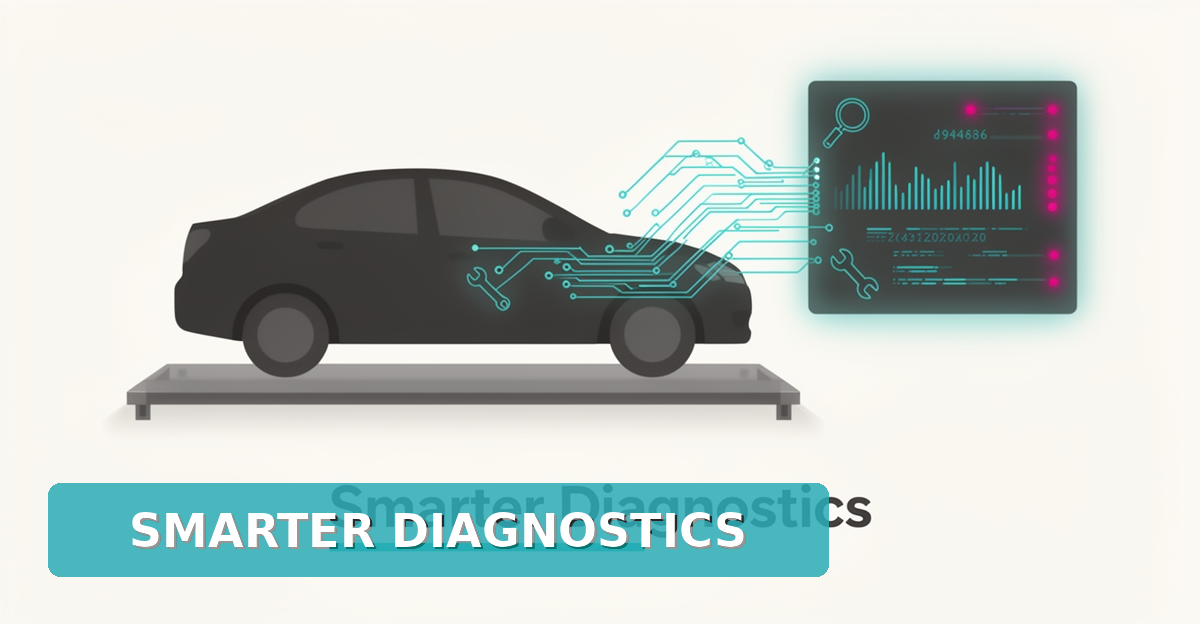
Diagnostic code integration is the first non-negotiable. Shops need seamless ingestion of OBD2 codes, sensor readings, performance metrics and historical patterns into a single workflow. Industry research suggests diagnostic time can be reduced substantially with AI-powered multi-system analysis, but only when codes flow directly into the diagnostic engine without manual re-entry.
Vehicle database compatibility determines real-world usefulness. Coverage must match the makes, models and years you actually see, with OEM-aligned specs for electrical schematics and calibrations. Industry reporting indicates a majority of collision repair shops now use AI-powered diagnostic tools to improve accuracy, largely because comprehensive vehicle data underpins reliable recommendations.
Alignment with technician roles ensures adoption instead of resistance. The best partners design for the bay, not the boardroom, with context-sensitive guidance that elevates human expertise rather than replacing it. Research suggests AI tools help reduce human error in estimating repair costs when the system is embedded in the estimator's and technician's existing process.
Shops evaluating vendors should pressure-test for:
- Native diagnostic code integration with shop management systems and scan tools
- Comprehensive vehicle database coverage for electrical systems and ADAS calibrations
- Workflow alignment with technician roles, from intake to final verification
- Real-time processing and report generation for customer communication
Vendor selection is an evaluation problem, not just a tech purchase. AIQ Labs approaches this strategy-first, mapping existing diagnostic workflows before recommending architecture—whether that's a single high-cost workflow rebuilt as a fixed-price Workflow Build or managed AI Employees handling phones, scheduling, and back-office tasks. That lens helps auto electrical shops avoid point solutions that create data silos.
A partner that understands automotive repair workflows will prioritize seamless diagnostic integration, broad vehicle coverage, and role-based adoption. Those three criteria separate tools that deliver sustained efficiency from those that stall at pilot stage.
Start with High-ROI Applications Before Scaling to Diagnostics
Starting with high-ROI applications lets auto electrical repair shops capture immediate value before scaling to more complex AI investments. Research shows that financial reconciliation delivers the fastest, most measurable ROI by recovering money already owed to the shop—such as missed vendor credits or duplicate charges that erode already-thin net margins. Implementing an AI-powered accounts payable workflow can catch these profit leaks in real time, directly improving cash flow without requiring technician retraining or workflow disruption.
Next, fixing customer communication through an AI receptionist addresses the second-fastest payback opportunity. Every missed call represents a lost repair order, and an AI receptionist answers every call, books appointments, and routes inquiries 24/7/365 without fatigue. This approach is especially valuable during peak hours when technicians are bayside and unable to answer phones, ensuring no opportunity slips through the cracks. Unlike diagnostic tools that require integration with vehicle databases and OEM compliance, AI receptionists deploy quickly and at a fraction of the cost of a front-desk hire.
Only after stabilizing back-office operations and customer flow should shops consider layering in diagnostic AI. Starting here avoids the common pitfall of investing in complex tools before foundational efficiencies are in place. By first capturing recoverable revenue and preventing missed opportunities, shops build both the financial runway and operational confidence needed to successfully adopt AI diagnostics later—where the biggest time savings and estimating gains can then be fully realized.
Still paying for 10+ subscriptions that don’t talk to each other?
We build custom AI systems you own outright. No vendor lock-in. Full control.
Not sure where to start? Ask our AI planner
Frequently Asked Questions
What should I look for when choosing an AI partner for my auto electrical repair shop?
How much time can AI diagnostics actually save in the bay?
Will AI replace my technicians?
Where should a shop start with AI if we have a tight budget?
Why are repair shops under more pressure now than a few years ago?
How do I know if an AI vendor actually understands automotive repair workflows?
Turn Complexity Into Competitive Advantage
Auto electrical repair is becoming more complex, but complexity doesn't have to erode your margins. The shops that win are choosing AI partners built for automotive workflows, not generic platforms, with native diagnostic code integration, comprehensive vehicle database coverage, and role-based adoption that elevates technicians instead of disrupting them. Starting with high-ROI foundations like financial reconciliation and customer communication builds the cash flow and confidence needed before layering in diagnostic AI. With a majority of auto repair shops expected to use some form of AI by late 2026 according to industry research, the gap between early adopters and laggards is widening fast. AIQ Labs has deployed 200+ multi-agent systems and runs four live SaaS products daily, helping auto electrical shops map existing workflows first, then design a strategy-first implementation that avoids data silos and point solutions. Start the 2-minute Fit Check at https://aiqlabs.ai/apply to book a free 30-minute strategy call and identify your highest-impact opportunities, or reach the team at [email protected].
Make AI your competitive advantage — not just another tool.
Strategy, implementation and ongoing optimization. One partner, end to end.
Not sure where to start? Ask our AI planner