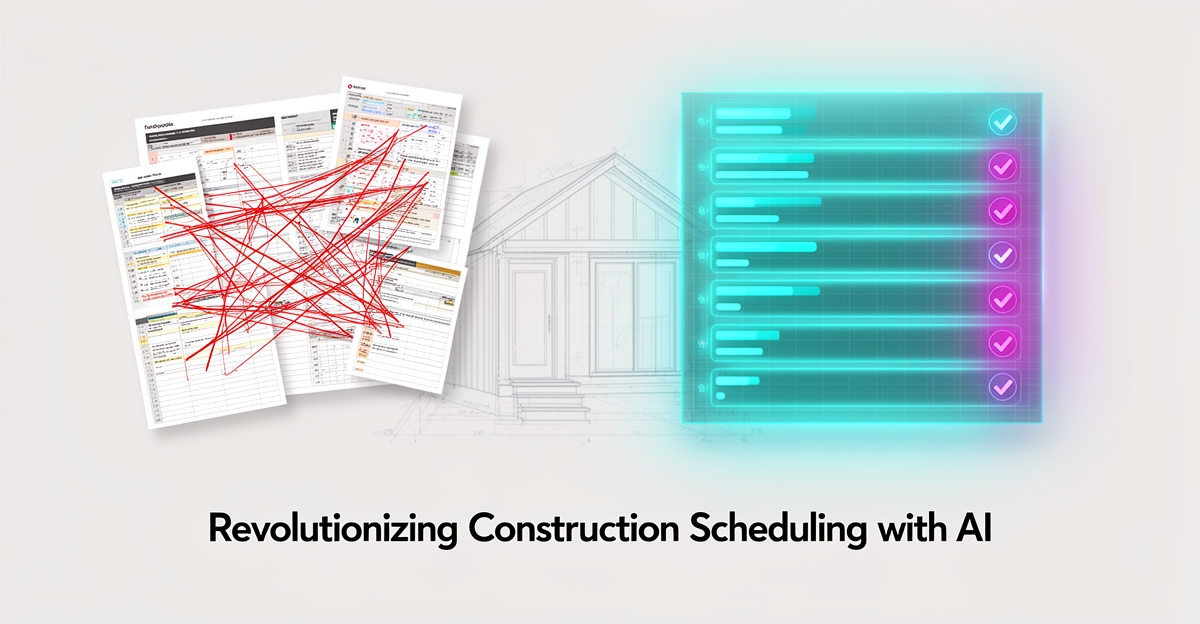
Why Most ADU Builders Still Use Manual Scheduling — And How AI Fixes It
Key Facts
- Construction has historically lagged most other industries in year-over-year AI technology spending, as of late 2026.
- Manual ADU scheduling causes double-bookings, missed site visits and permitting delays.
- AI automation can ease labor strain on managers and builders alike by taking over routine coordination work.
- A practical AI implementation follows three phases: discovery, development and deployment.
- AIQ Labs has deployed 200+ multi-agent systems and runs 4 live SaaS products daily.
Hire a team member that works 24/7 — for less than a part-time wage.
AI receptionists, SDRs, dispatchers and 99+ roles. Trained on your business, fully managed.
Not sure where to start? Ask our AI planner
The Hidden Cost of Manual Scheduling in ADU Projects
Manual scheduling looks cheap until the delays start compounding on site. In ADU workflows, a single missed handoff between trades, inspectors, and homeowners can cascade into weeks of idle crew time and rescheduling fees.
Builders still rely on spreadsheets, texts, and memory because the cost of errors feels familiar. The result is double-bookings, missed site visits, and permitting delays that erode margin on small-footprint projects where schedule float is minimal. Manual coordination also creates timeline overruns that are hard to trace back to a single cause.
Construction has historically trailed most other industries in year-over-year spending increases on AI technology, as of late 2026. That lag helps explain why manual methods persist despite the operational drag. The industry is also facing persistent labor shortages, and AI has real potential to ease that strain by taking routine coordination work off managers and builders alike.
The hidden costs show up across the project lifecycle:
- Crew downtime from double-booked site visits and conflicting trade windows
- Permit and inspection rescheduling fees caused by missed appointments and incomplete documentation
- Rework and material waste when sequencing errors force out-of-order work
- Client churn and reputation risk from unpredictable timelines on ADU builds
Modern AI planning systems analyze past project data, labor productivity rates, and external factors to build schedules and budgets that hold up under real conditions. Applied to ADU operations, that means automated scheduling across teams, real-time conflict prevention, and timeline accuracy that improves with each project.
AIQ Labs builds production-ready automation for real-world ADU operations — from a single AI employee handling dispatch to a full workflow rebuild. When scheduling is automated, builders remove the friction that drives burnout and rework, letting teams do more with the people they already have.
Without automation, manual scheduling remains a tax on every ADU.
How AI Automation Solves Scheduling Chaos in Real-World ADU Operations
Manual scheduling in ADU builds creates a cascade of missed site visits, double-booked crews, and permits that slip. AI-powered coordination replaces spreadsheets with live, self-correcting workflows that keep teams, trades, and inspections aligned.
AI automation systems ingest past project data, labor productivity rates, and external factors to create optimal schedules and budgets. That historical context lets the system anticipate bottlenecks before they hit the jobsite and re-sequence tasks automatically when conditions change.
In production ADU operations, multi-agent systems coordinate task handoffs across sales, permitting, site prep, framing, and finish teams. One agent monitors calendar availability, another tracks permit status, and a third confirms material deliveries, with real-time calendar integration preventing conflicts as soon as they emerge.
The result is improved timeline accuracy and fewer manual checks. Automated scheduling prevents double-bookings, flags resource constraints early, and updates downstream crews instantly, which is critical when a single site visit delay can stall an entire ADU timeline.
AIQ Labs builds these kinds of production-ready systems for real-world ADU operations, using multi-agent orchestration and tool integration to unify disconnected processes into a single source of truth — with 200+ multi-agent systems deployed to date.
Industry pressure is mounting. Construction continues to trail most other industries in AI spending growth as of late 2026, even as the cost of manual coordination keeps rising. The sector's labor shortage makes the case sharper: every hour a manager spends chasing confirmations is an hour not spent on the build.
Real-world benefits show up across the workflow:
- Automated task coordination across teams with real-time calendar sync and conflict prevention
- Predictive rescheduling based on permit approvals, weather, and crew availability
- Centralized visibility for site visits, inspections, and deliveries to reduce rework
- Continuous monitoring and adjustment as project data changes during construction
Beyond scheduling, AI-driven planning supports broader efficiency goals. Field capture tools — including drone imagery analyzed for defects and out-of-spec work — can feed quality signals back into the schedule, so problems surface before they stall the timeline.
Builders who move from manual boards to AI automation typically report less burnout and fewer rework cycles. The pattern is consistent: AI handles routine scheduling decisions while humans focus on exceptions and client relationships.
The shift is from reactive firefighting to proactive coordination. With AI agents handling routine scheduling decisions and people focusing on exceptions and client relationships, ADU builders gain timeline reliability without adding headcount.
From Manual to AI: A Practical Implementation Path for ADU Builders
Manual scheduling still dominates ADU builds because the pain feels familiar. Builders patch spreadsheets, texts, and call logs, then absorb the cost in double-bookings, missed site visits, and permitting delays.
A practical shift starts with honest assessment, not a wholesale rip-and-replace. Most teams already know where the process breaks: crew availability conflicts with inspection windows, material deliveries drift, and permit follow-ups slip between people.
Assess the current scheduling process. Map every handoff from site visit to permit closeout. Log where double-bookings occur, how long confirmations take, and where timeline accuracy degrades. Builders who document these friction points create a clear baseline for automation.
Evaluate AI automation options against real workflows. Look for systems that automate scheduling, prevent double-bookings, and improve timeline accuracy without forcing crew adoption. Automation can extend beyond the office into field verification, from photo-based progress tracking to automated inspection prep.
A production-ready path aligns with a three-phase implementation process:
- Discovery & Architecture: process analysis, data assessment, and solution design with ROI projection
- Development & Integration: custom build and integration with CRM, scheduling, and permitting tools
- Deployment & Training: go-live, role-based training, and monitoring setup
Payment models shape how builders start. Start Monthly lets a team launch one AI employee for scheduling and dispatch — setup, build, and training included, with the ability to pause or adjust anytime. Build in Milestones splits a workflow rebuild into phases, with approval and payment per phase and the ability to stop anytime while keeping what is built. Own It Outright gives builders a system they own with no ongoing licensing.
AIQ Labs builds production-ready automation for real-world ADU operations, with systems that integrate with existing tools and are owned outright. Continuous monitoring after launch closes the loop, with adjustments based on actual crew utilization, permit cycle times, and booking accuracy.
The goal is not to eliminate people from scheduling, but to remove the manual rework that creates burnout and eats margin.
Trade the Spreadsheet for a Schedule That Runs Itself
Manual scheduling persists in ADU construction because it feels familiar, but the hidden costs — double-booked crews, missed inspections, and permitting delays — compound quickly on projects where timeline float is minimal. Construction remains one of the slower industries to adopt AI as of late 2026, yet builders who move to automated coordination get immediate relief from scheduling chaos. The shift doesn't require ripping out existing systems overnight; it starts with mapping current handoffs, identifying where double-bookings and delays originate, and implementing AI agents that sync calendars, track permits, and adjust sequences in real time. AIQ Labs builds these production-ready systems for ADU operations — from a single AI employee handling dispatch to a milestone-based rebuild of your entire coordination layer. Ready to eliminate the scheduling tax on your next ADU project? Start with the two-minute Fit Check at https://aiqlabs.ai/apply, then book a free 30-minute strategy call to map your specific bottlenecks and identify the highest-ROI automation opportunity.
Make AI your competitive advantage — not just another tool.
Strategy, implementation and ongoing optimization. One partner, end to end.
Not sure where to start? Ask our AI planner