Why Most Ice Skating Rinks Fail at AI Implementation – And How to Avoid It
Key Facts
- Vertical SaaS platforms like Omnify and ROLLER are rented, not owned—your operations live inside a vendor's roadmap according to industry analysis
- Layering AI on top of disconnected scheduling, POS, and inventory systems is a primary cause of implementation failure per AIQ Labs research
- AIQ Labs has deployed 200+ multi-agent systems in production and runs 4 live SaaS products daily, demonstrating production-scale capability
- AI Employees typically cost roughly 80% less than an equivalent human hire while covering roles like receptionist, SDR, and dispatcher
- Predictive maintenance approaches are increasingly used in rink operations to shift ice upkeep from reactive repairs to scheduled, data-driven tasks per SENTHAI findings
- Rinks that unify their data before layering AI typically see meaningful gains in admin time and revenue compared to those stuck in manual reconciliation
Hire a team member that works 24/7 — for less than a part-time wage.
AI receptionists, SDRs, dispatchers and 99+ roles. Trained on your business, fully managed.
Not sure where to start? Ask our AI planner
The Subscription Trap: Why Renting AI Leads to Rink Failure
Most ice skating rinks don't fail at AI because the technology doesn't work—they fail because they rent it. The moment a rink treats AI as just another software subscription, it inherits a hidden trap: vendor lock-in. This is the single biggest reason AI initiatives stall, delivering rigid systems that can't adapt to the unique chaos of rink operations.
The problem is structural. Platforms like Omnify and ROLLER are built for speed, not flexibility. They offer pre-configured workflows that get a rink up and running quickly, but at a cost. As one industry analysis puts it, these are "vertical SaaS platforms you rent," not assets you own. This means when your rink's needs evolve—say, you add a new hockey league, change your rental pricing model, or integrate a new POS system—you're at the mercy of the vendor's development roadmap.
This rigidity creates cascading failures. A rented platform might shave some admin time off your week, but if it can't sync with your existing accounting software or custom scheduling logic, you're just automating chaos. The data remains siloed, staff resort to manual workarounds, and the promised efficiency gains evaporate. The system works against you, not for you.
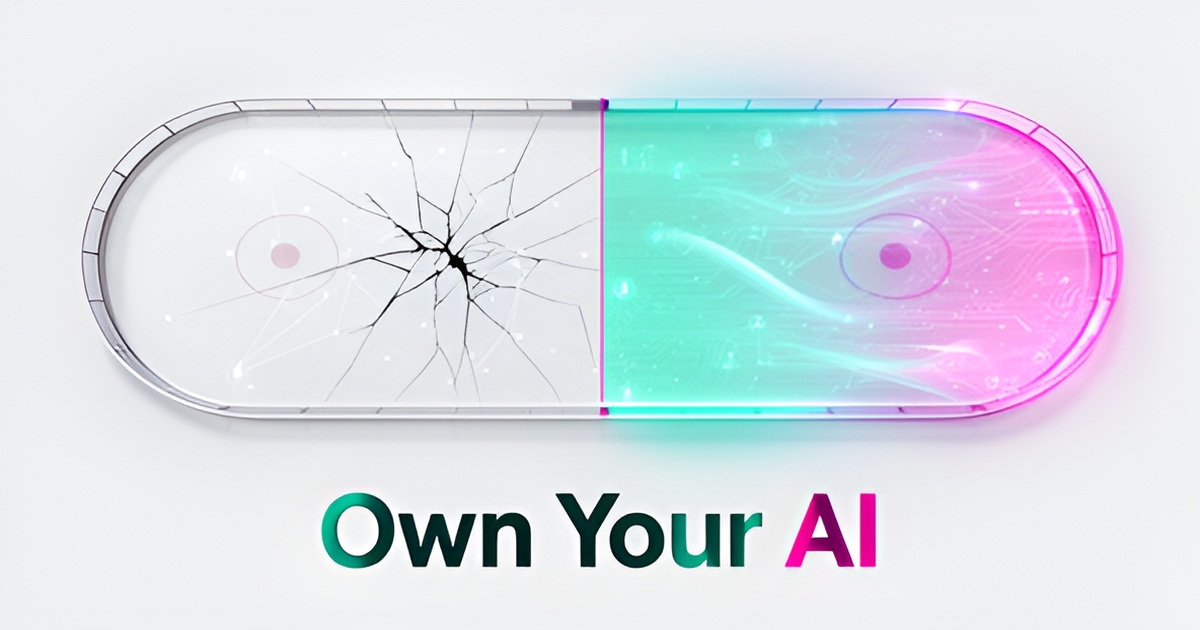
The alternative isn't just a different tool; it's a different philosophy. The rinks pulling ahead in 2026 aren't just buying software; they're building AI capabilities they control. This means shifting from a renter's mindset to an owner's mindset. Instead of fitting your operations into a vendor's box, you build a system that fits your operations perfectly.
This ownership model delivers three critical advantages that rented platforms can't match:
- Complete customization to your rink's unique workflows, from public session scheduling to skate rental inventory.
- Deep integration with your existing tech stack—CRM, POS, accounting—creating a single source of truth.
- Full control over your data and intellectual property, eliminating dependency on a third-party vendor's survival.
This is where a strategic partner like AIQ Labs changes the equation. Through AI Workflow Builds, they rebuild the one workflow that costs you the most—at a fixed price, in phases—so you own the result outright. The result isn't just a tool that works today, but a scalable foundation that grows with your business, ensuring your AI investment appreciates rather than becomes a recurring liability.
The Data Integration Nightmare: When Scheduling, POS, and Inventory Don't Talk
When an ice rink's scheduling software, point-of-sale, membership billing, and inventory systems operate in isolation, AI becomes a spectator rather than a player. The result is a data integration nightmare where no algorithm can access the unified information needed to automate workflows effectively.
Rinks face unique operational complexity, juggling public sessions, figure skating programs, hockey leagues, skate rentals, and concession inventory simultaneously. According to industry analysis, attempting to layer AI on top of these disconnected processes without first unifying them is a primary cause of implementation failure. When your booking platform cannot communicate with your inventory management, AI cannot predict skate rental demand or optimize ice time allocation.
The consequences manifest in daily frustrations: double-booked ice time, inventory stockouts during peak hours, and billing errors that erode member trust. Deep integration with existing tools—rather than wholesale replacement—allows AI to synchronize data across your entire tech stack. Rinks that unify their data before automating typically see significant reductions in manual admin work compared to those still reconciling spreadsheets by hand.
Consider these critical integration points where silos typically form:
- Scheduling software that fails to update POS systems when sessions change
- Membership billing platforms disconnected from access control and attendance tracking
- Inventory systems for skate rentals and concessions operating independently of booking data
- Maintenance logs isolated from operational scheduling and equipment usage patterns
Even specialized functions suffer when data remains trapped. For example, predictive maintenance systems require integrated sensor data to transform ice upkeep from reactive repairs to scheduled, data-driven tasks. Without connections between equipment monitoring and operational calendars, AI cannot optimize ice resurfacing or blade replacement schedules.
AIQ Labs addresses this fragmentation through custom workflow integration using Model Context Protocol and API development, creating a single source of truth across your entire operation. For rinks ready to go further, AI Operating Systems connect the whole business into one operating layer, built in phases and owned outright. This approach transforms disconnected processes into a unified, intelligent system where AI can finally access the comprehensive data needed to automate scheduling, billing, and inventory workflows effectively.
Ignoring the Human Element: Staff Training and Change Management Failures
Technology alone doesn't transform a business; the people who use it do. Many rink owners invest in sophisticated AI platforms only to watch them gather dust because the front-desk team was never taught how to work alongside the new system.
When AI arrives without a clear explanation of how roles will evolve, employees naturally view it as a threat to their livelihood rather than a tool for their benefit. This resistance manifests as passive non-compliance—staff revert to old manual processes, ignore automated alerts, or bypass the system entirely, rendering the investment useless.
The most successful implementations deliberately redesign workflows so that automation handles repetitive data entry while humans manage complex exceptions. In ice maintenance, predictive AI systems now monitor equipment health continuously, allowing staff to shift from routine clipboard inspections to exception handling, diagnostics, and higher-value repairs. This requires a fundamental mindset shift: your team stops being task-doers and becomes overseers of intelligent systems.
To avoid the trap of underutilized technology, rink operators must prioritize these change-management essentials:
- Role-specific onboarding that shows each employee exactly how AI makes their specific job easier, not obsolete
- Clear documentation and standard operating procedures for when to trust the automation and when to intervene
- Feedback loops that empower staff to report false positives or workflow friction without fear of blame
- Redefining job descriptions to emphasize high-touch customer service and complex problem-solving over manual data entry
Without this human infrastructure, even the most advanced tools fail. AI-assisted systems in competitive skating contexts have shown what's possible, but those results only materialize because officials and coaches underwent rigorous training to interpret and manage the automated outputs. The technology provided the data, but humans provided the judgment.
This is where strategic guidance becomes critical. AIQ Labs builds role-specific training directly into its deployment process, ensuring your team understands how to collaborate with custom AI workflows or managed AI Employees from day one. Rather than dropping software on your doorstep, their approach includes the documentation and hands-on coaching necessary to turn skeptical staff into confident operators who trust the system to handle routine work while they focus on creating exceptional customer experiences.
When employees understand that AI handles the mundane so they can handle the meaningful, adoption follows naturally. The rinks that succeed treat change management as seriously as the technology itself.
The Three-Pillar Solution: How Successful Rinks Build AI They Own
The path forward for ice skating rinks isn't found in another subscription box, but in building AI capabilities they truly own. Successful implementation requires moving beyond point solutions to a strategic, integrated approach that addresses the root causes of failure: disconnected systems, lack of ownership, and unprepared teams. The most effective rinks in 2026 are adopting a three-pillar model that ensures AI becomes a sustainable competitive advantage, not a temporary experiment. AIQ Labs' framework provides the structure to build, manage, and strategically evolve AI systems that are fully aligned with a rink's unique operational DNA.
This integrated solution starts with AI Workflow Builds: rebuild the one workflow that costs your rink the most—scheduling, billing, inventory, or something else—at a fixed price, delivered in phases, and owned outright. The second pillar deploys AI Employees: managed AI staff covering 99+ roles—receptionist, SDR, dispatcher, collections—at roughly 80% less cost than a human hire, working alongside your team around the clock. Finally, AI Operating Systems connect everything into one operating layer, built in phases so you're never betting the whole rink on a single big-bang project. Payment models match the commitment level: Start Monthly, Build in Milestones, or Own It Outright—no fake prices, no invented case-study numbers. Together, these pillars transform AI from a costly experiment into an owned, scalable asset that compounds in value over time.
- AI Workflow Builds: Rebuild the workflow that costs you the most, at a fixed price, in phases.
- AI Employees: Managed AI staff for 99+ roles—receptionist, SDR, dispatcher—at a fraction of the cost of a human hire.
- AI Operating Systems: One connected operating layer for the whole rink, built in phases, owned outright.
This approach directly counters the pitfalls of vendor lock-in, poor integration, and ignored human factors by placing control, customization, and partnership at the heart of the implementation. Rinks stop renting temporary fixes and start building enduring AI capabilities that compound in value over time—exactly what separates the leaders from those still stuck in the pilot phase. To explore how this model applies to your rink's specific bottlenecks, start with the 2-minute Fit Check, then book a free 30-minute strategy call to map your highest-ROI opportunities—no obligation, just a real working session with an AI engineer.
Still paying for 10+ subscriptions that don’t talk to each other?
We build custom AI systems you own outright. No vendor lock-in. Full control.
Not sure where to start? Ask our AI planner
Frequently Asked Questions
Why do most ice skating rinks fail when they try to implement AI?
What's the difference between renting AI platforms like Omnify and building AI you own with a partner like AIQ Labs?
How much can ice skating rinks actually save with proper AI implementation?
What happens if I implement AI without training my staff or changing workflows?
Can AI really help with ice maintenance, or is it just for scheduling and billing?
What does AIQ Labs' three-pillar approach to AI transformation include?
The Ice Doesn't Wait: Build Your AI Foundation Now
The difference between rinks that thrive with AI and those that stall isn't the technology—it's the approach. Avoid the subscription trap that locks you into rigid systems, solve the data integration nightmare by unifying your scheduling, POS, and inventory, and prioritize your team's transition with proper change management. When you shift from renting software to building owned capabilities, you create a foundation that grows with your business rather than constraining it. The rinks pulling ahead didn't wait for perfect conditions; they started with a clear strategy and the right partner. AIQ Labs helps ice rinks navigate this exact transformation—with 200+ multi-agent systems deployed and 4 live SaaS products run daily, they know what works in production, and you own what you build outright. Don't let another season pass with manual workarounds and disconnected systems. Start with the 2-minute Fit Check, then book a free 30-minute strategy call to map your highest-ROI opportunities for your rink today.
Make AI your competitive advantage — not just another tool.
Strategy, implementation and ongoing optimization. One partner, end to end.
Not sure where to start? Ask our AI planner