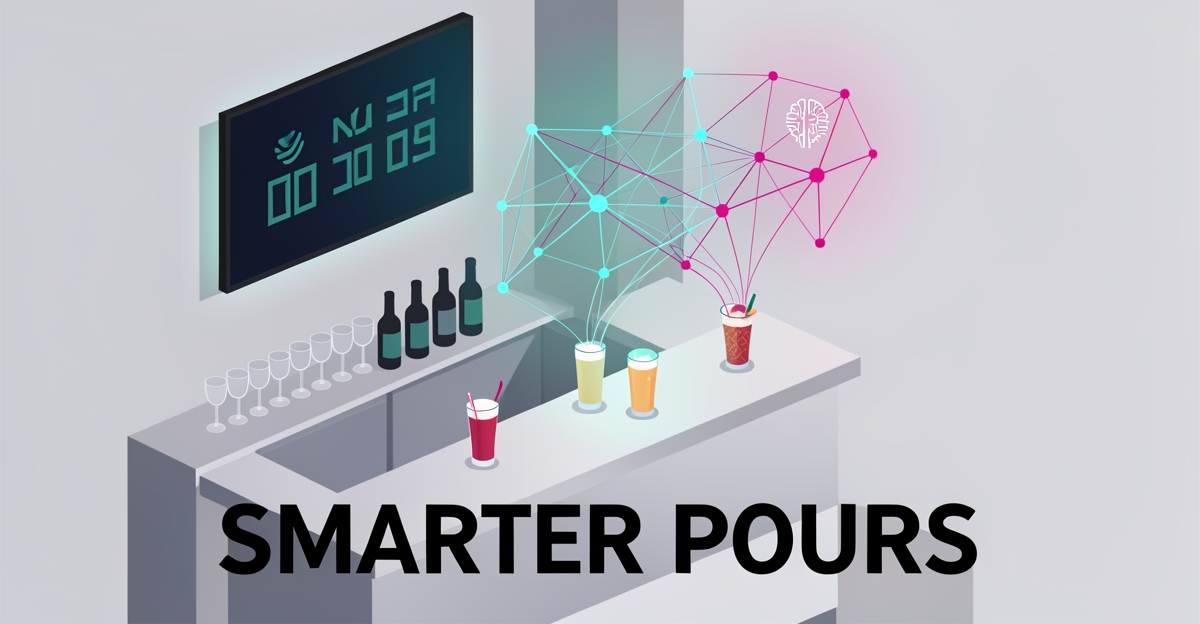
Why Most Sports Bars Are Missing Out on AI-Powered Drink Recommendations
Key Facts
- Agentic AI performs specific tasks autonomously within existing workflows rather than just generating content, as of late 2026 the clear industry direction
- The enterprise AI gold rush has faded as companies shift from generative experiments to agentic systems embedded in daily operations
- Sports bars can typically increase sales by suggesting drinks based on customer history, time of day, and past visits, according to hospitality AI research
- AI-driven personalization analyzes patron behavior patterns to deliver targeted offers during high-traffic games
- AIQ Labs has deployed 200+ multi-agent systems and runs four live SaaS products daily, so recommendations are built on production experience, not demos
Hire a team member that works 24/7 — for less than a part-time wage.
AI receptionists, SDRs, dispatchers and 99+ roles. Trained on your business, fully managed.
Not sure where to start? Ask our AI planner
The Hidden Revenue Leak in High-Traffic Sports Bars
Sports bars thrive on energy, but their service often misses the mark during peak moments. Manual ordering and generic upselling fail to capture individual preferences, leaving revenue on the table when it matters most. This gap becomes especially costly during high-traffic games, where every minute counts and personalized engagement drives repeat visits.
Without leveraging patron history or time-of-day patterns, bars overlook signals that indicate readiness to spend. A regular who orders a craft IPA during afternoon games might prefer a whiskey neat during evening playoffs, but staff rarely act on these cues. As a result, opportunities to increase average check size through timely, relevant suggestions slip away unnoticed.
This missed personalization creates a hidden revenue leak rooted in disconnected service. Staff rely on memory or assumption rather than data, leading to inconsistent experiences and forgotten regulars. Over time, this erodes loyalty, as customers feel unseen despite frequent visits. The problem isn't lack of effort, it's lack of insight into behavior patterns that could inform smarter service.
AI-driven journey optimization closes this gap by turning visit history into actionable intelligence. By analyzing past orders, visit frequency, and game-time trends, systems can prompt staff, or automated interfaces, to recommend drinks aligned with individual habits. For example, suggesting a seasonal brew to a fan who orders one every third visit, or promoting a non-alcoholic option during early-game arrivals, increases relevance without feeling pushy.
Such personalization doesn't just boost sales, it builds connection. When patrons feel understood, they're more likely to return, spend more, and recommend the bar to others. In high-volume environments, even small lifts in conversion per interaction compound significantly over a season. The technology exists to make this seamless; the barrier is recognizing that service personalization isn't optional, it's a revenue driver.
AIQ Labs helps sports bars implement these insights through AI-powered customer journey systems that learn from real-time behavior and deliver context-aware recommendations, turning every visit into a chance to deepen engagement and increase value. To explore how this applies to your operation, start the 2-minute Fit Check and book a free 30-minute strategy call focused on your biggest bottlenecks.
From Generative Hype to Agentic Deployment
The generative demo era is over. Sports bars that still rely on chat widgets and novelty prompts are watching competitors move past hype into systems that actually run the floor.
The enterprise AI landscape has shifted from generative experimentation to practical deployment of agentic AI. The initial gold rush phase has faded as industry analysis notes the real challenge is integration into real-world operations at scale. For bars, that means autonomous task execution inside POS and CRM workflows, not a chatbot that suggests a cocktail.
Agentic AI is designed to perform specific tasks autonomously within existing workflows. As of late 2026, the market has moved beyond proof-of-concept toward tangible business value. A recommendation engine that reads time of day, past visits, and purchase history and then triggers a targeted offer to the server tablet is agentic. A prompt box that writes drink descriptions is generative.
Deployment expertise is now the bottleneck. Organizations struggle to integrate models, manage data, and ensure responsible deployment. The lesson across industries is consistent: successful adoption requires not just access to technology but the expertise to implement it effectively.
Sports bars need that same discipline. AI-driven personalization can suggest drinks based on customer history, time of day, or past visits to increase sales and engagement. That requires:
- Real-time pattern analysis in POS and CRM data
- Autonomous offer generation tied to server actions
- Seamless integration with existing ordering and loyalty systems
- Continuous learning from repeat visits and spend behavior
The gap between hype and results is deployment. Agentic systems running in their own environment give teams lasting AI skills, workflows, and patterns they can use to innovate independently. AIQ Labs builds these kinds of data-aware customer journey systems for SMBs, through managed AI employees or a focused workflow build, delivering owned, production-ready agents rather than subscription widgets.
Bars that wait for a perfect generative feature will miss the window. The winners embed autonomous recommendation and journey optimization into the tools staff already use, every game, every shift.
How AI Reads Patron Behavior to Recommend Drinks
Most sports bars still rely on guesswork to upsell drinks, while agentic AI turns every visit into a readable signal. The systems don't just log orders; they connect behavior patterns to the moment a patron is most likely to say yes.
Agentic systems read visit history to build a preference profile that updates with each check-in. Time of day is layered in to match energy levels and price sensitivity, so a pre-game crowd sees different offers than a late-night regulars table. Game context adds the final trigger, score, quarter, and team momentum shape which drinks get surfaced when attention peaks.
Spend patterns complete the picture. Frequency, average check size, and category loyalty let the model predict willingness to try a premium or bundled option without feeling pushed. That is AI Customer Journey Optimization in practice: analyzing patterns in patron behavior and delivering targeted offers based on customer history, time of day, or past visits.
The deployment logic mirrors what enterprise leaders now prioritize. The enterprise AI gold rush has shifted from generative experiments to agentic systems that perform complex tasks autonomously within existing workflows. Across industries, integration, not model access, determines value.
For a sports bar, the same principles apply to revenue and engagement:
- Visit history maps loyalty tiers and favorite categories for personalization
- Time of day adjusts offer pricing and bundle composition to demand
- Game context triggers timely prompts during commercial breaks or momentum swings
- Spend patterns identify upsell windows without alienating price-sensitive guests
When these signals run together, recommendations feel natural rather than intrusive. AIQ Labs helps implement this through smart, data-aware customer journey systems that analyze behavior and deliver targeted offers. The focus stays on practical applications that increase sales and engagement, not novelty.
Bars that capture these signals first create a compounding advantage: better recommendations, higher average checks, and patrons who feel understood during the moments that matter most.
A Practical AI Rollout for SMB Sports Bars
Most sports bars capture game-day traffic but lose the personalization that turns regulars into high-value patrons. Agentic AI now shifts focus from generative demos to autonomous task execution within existing workflows, and that shift matters for SMBs with tight margins.
A lean rollout starts with data readiness. POS and loyalty history provide the foundation for recommendations based on customer history, time of day, or past visits. Clean, accessible patron data reduces integration complexity and enables responsible AI deployment, a known hurdle for organizations integrating models into existing infrastructure.
POS integration comes next. Connect the bar's point-of-sale, reservation, and loyalty tools so the AI can read real-time behavior and act on it. Successful adoption requires not just access to technology but expertise to implement and manage it effectively.
Managed AI employees then handle recommendations end-to-end. Instead of a chatbot widget, a production-grade agent books, qualifies, and suggests drinks in natural conversation, learning and improving from performance data. This mirrors the broader market move toward agentic AI, where systems perform specific tasks autonomously within workflows rather than generate content.
For small and medium bars, payment flexibility lowers risk. Start Monthly delivers a managed AI employee with setup plus a flat monthly plan, typically a fraction of the cost of a human hire, including build, training, integrations, monitoring, and improvements, with the option to pause or adjust anytime. Build in Milestones splits a workflow or department system into phases you approve and pay per phase, keeping everything built so far. Own It Outright provides a full AI operating system with full ownership of code, agents, and data when complete. See the current options on the pricing page.
A practical rollout path looks like this:
- Audit POS and loyalty data for completeness, consent, and daily sync.
- Map high-value moments: pre-game, halftime, post-game, and happy hour triggers.
- Integrate POS and CRM via API so recommendations reflect real-time spend and preferences.
- Deploy a managed AI employee for personalized drink suggestions and targeted offers.
- Measure lift in average check, repeat visits, and engagement, then optimize.
AIQ Labs applies this deployment-first approach to customer journey optimization for SMBs, building owned systems that suggest drinks based on history and context without vendor lock-in.
Still paying for 10+ subscriptions that don’t talk to each other?
We build custom AI systems you own outright. No vendor lock-in. Full control.
Not sure where to start? Ask our AI planner
Frequently Asked Questions
Is AI for sports bars just chatbots and drink suggestions?
How does AI actually read patron behavior to recommend drinks?
Will AI recommendations feel pushy to regulars?
Is deployment hard for a small sports bar?
What does it cost to get started?
What's the practical first step to roll this out?
Turn Every Visit Into a Competitive Edge
The sports bar industry is at a turning point where personalization isn't just nice to have, it's a direct driver of revenue and loyalty. By moving beyond guesswork and leveraging AI to analyze visit history, time of day, and game context, bars can deliver drink recommendations that feel timely and relevant, increasing average check size without alienating guests. This shift from generic upselling to agentic, behavior-based engagement turns routine interactions into opportunities to deepen connections and boost repeat business. The technology exists to make this seamless, and the real advantage goes to those who deploy it thoughtfully within their existing workflows. To see how this applies to your bar's biggest bottlenecks, start with a free strategy session: start the 2-minute Fit Check.
Make AI your competitive advantage — not just another tool.
Strategy, implementation and ongoing optimization. One partner, end to end.
Not sure where to start? Ask our AI planner