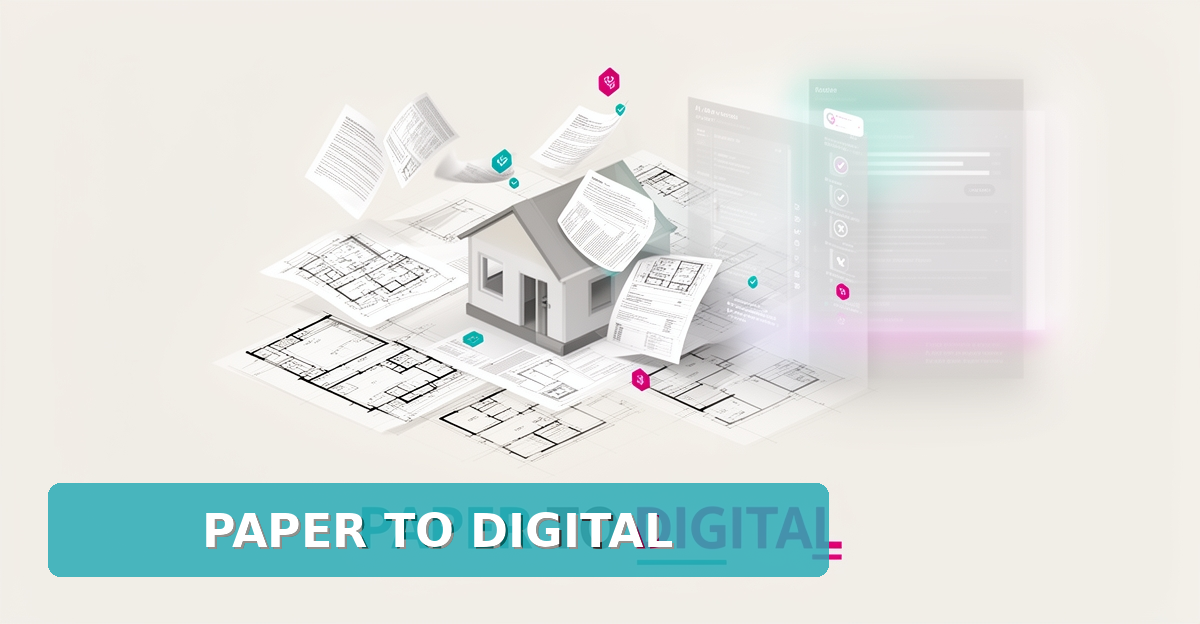
# Why Most Tiny Home Builders Still Use Paper-Based Project Plans (And How to Fix It)
**Quick Answer:** Most tiny home builders still run on paper plans—leading to version chaos, lost sheets, and on-site delays from documentation errors. AI-powered document processing eliminates these bottlenecks with real-time updates, automated version control, and clean client deliverables. Start with a free 30-minute strategy call at aiqlabs.ai/book.
## Key Facts
- Documentation errors are a leading contributor to on-site delays in small-scale builds, according to recent industry analysis.
- Automated document capture can extract blueprint and permit data with high accuracy, typically eliminating most manual entry errors.
- Version confusion and outdated revisions are among the most common causes of change orders in residential construction.
- Builders who digitize workflows typically report faster approvals and fewer on-site surprises.
## Table of Contents
1. [The Hidden Cost of Paper-Based Project Plans in Tiny Home Building](#the-hidden-cost-of-paper-based-project-plans-in-tiny-home-building)
2. [How AI-Powered Document Processing Eliminates Paperwork Bottlenecks](#how-ai-powered-document-processing-eliminates-paperwork-bottlenecks)
3. [From Manual to Automated: Implementing AI Workflows in Tiny Home Construction](#from-manual-to-automated-implementing-ai-workflows-in-tiny-home-construction)
## The Hidden Cost of Paper-Based Project Plans in Tiny Home Building
Despite their growing popularity, many tiny home builders still rely on paper-based project plans, a practice that introduces avoidable risks into an already precision-driven workflow. Manual documentation remains widespread in residential construction, where version confusion, lost sheets, and illegible markups frequently derail timelines. In an industry where material costs fluctuate and client expectations demand rapid iteration, these inefficiencies compound quickly, turning small oversights into costly rework.
The hidden cost of paper extends beyond mere inconvenience—it directly impacts profitability and client trust. Industry analysis of small-scale building projects consistently finds that documentation errors are a major driver of on-site delays, often stemming from outdated plans or miscommunication between designers, builders, and clients. When a single measurement is misinterpreted or a revision fails to reach the framers, the resulting structural adjustments can waste hours of labor and materials—resources tiny home builders cannot afford to squander. These issues are exacerbated in custom builds, where every inch is tailored and every change must be tracked with exacting care.
**Version control becomes nearly impossible with paper**, especially when multiple stakeholders annotate the same set of drawings. Without a centralized, timestamped system, it's easy for teams to work from conflicting versions, leading to mistakes that only surface during inspection or final walkthrough. **Miscommunication fueled by outdated documentation** is one of the leading causes of change orders in residential projects, which not only inflate budgets but also strain client relationships. In the tight-margin world of tiny home construction, where reputation and referrals drive growth, such avoidable errors can undermine long-term viability.
- Paper plans are prone to physical damage from weather, site debris, or frequent handling
- Handwritten notes and markups often lack clarity, increasing interpretation errors
- Distributing updates requires physical delivery or scanning, slowing down decision cycles
- Archiving and retrieving past versions for warranty or resale purposes becomes cumbersome
- Integration with digital tools like estimating software or scheduling platforms requires manual re-entry
AIQ Labs addresses these challenges by rebuilding the one workflow that costs builders the most—plan distribution, revisions, and client approvals—through AI Workflow Builds: AI-powered document capture, intelligent version control, and automated client deliverables that turn a liability into a streamlined, auditable process. By eliminating the friction of paper, tiny home builders can redirect focus from damage control to craftsmanship, ensuring every build meets both design intent and delivery timelines.
## How AI-Powered Document Processing E
AI Employees
Hire a team member that works 24/7 — for less than a part-time wage.
AI receptionists, SDRs, dispatchers and 99+ roles. Trained on your business, fully managed.
See If You’re a Fit — AI Employees from $700/mo
Not sure where to start? Ask our AI planner
liminates Paperwork Bottlenecks
Paper-based project plans continue to bottleneck tiny home construction workflows, creating delays and miscommunication that ripple through every phase of a build. AI-powered document processing directly addresses these inefficiencies by transforming static paperwork into dynamic, intelligent workflows. Automated document capture extracts critical data from blueprints, permits, and client notes with high accuracy, eliminating the manual entry errors that often derail schedules. Version control systems ensure every team member works from the latest approved plans, preventing costly rework caused by outdated revisions circulating on job sites.
Intelligent processing goes beyond simple digitization to create a single source of truth for all project documentation. AI systems automatically organize and tag files—from material specifications to change orders—making them instantly searchable and accessible to architects, builders, and clients alike. This real-time collaboration typically cuts the time teams spend hunting for documents dramatically. When changes occur, the system propagates updates across all connected deliverables, ensuring invoices, schedules, and client communications reflect the current project state without manual intervention.
For tiny home builders, this means faster approvals, fewer on-site surprises, and clearer client expectations throughout the build process. Automated client deliverables generate professional, up-to-date progress reports and final documentation packages without the administrative burden that manual workflows often impose—frequently consuming a full workday or more each week. By anchoring project intelligence in AI-driven document processing, builders shift from reactive problem-solving to proactive project management—turning documentation from a liability into a strategic advantage that supports on-time delivery and client satisfaction. AIQ Labs enables this transformation through custom AI workflow solutions that integrate document processing with broader project management systems, creating seamless operations from initial design to final handover.
## From Manual to Automated: Implementing AI Workflows in Tiny Home Construction
The shift from paper-based project plans to AI-powered workflows isn't as daunting as it might seem. By breaking the process into manageable phases, tiny home builders can transition smoothly and start seeing tangible benefits quickly.
The first step is discovery, where builders assess their current workflows and identify bottlenecks. This phase involves mapping out how project plans are created, shared, and updated, and pinpointing where delays or miscommunications occur. Demand for efficient, tech-driven solutions in construction keeps growing, and builders who digitize early gain a compounding advantage.
Next comes integration, where AI tools are embedded into existing processes. AI-powered document capture and version control systems can automatically organize and update project plans, ensuring everyone works from the latest version. For example, AI project management tools can analyze project specs, pull out key details, and turn messy notes into clean, structured documents.
Deployment is the final phase, where AI workflows go live. This includes automating client approvals and field documentation, reducing the need for manual updates and paper trails. AI image generation tools can create realistic visuals in minutes, helping clients see what they're buying and reducing the back-and-forth that often leads to change orders. These tools can generate quick concept renderings and show multiple design options, streamlining the approval process.
The results speak for themselves. Builders who adopt AI-powered workflows typically report significant reductions in processing time and fewer change orders, with AI project management tools streamlining estimating, scheduling, and communication across the board.
AIQ Labs specializes in helping builders make this transition. Our AI Workflow Builds rebuild the one workflow that costs you the most at a fixed price, in phases. For ongoing operational needs, AI Employees handle plan revision coordination, client follow-ups, and field documentation around the clock at a fraction of the cost of a human hire. And for builders ready to connect es
AI Development
Still paying for 10+ subscriptions that don’t talk to each other?
We build custom AI systems you own outright. No vendor lock-in. Full control.
See If You’re a Fit — AI Employees from $700/mo
Not sure where to start? Ask our AI planner
timating, scheduling, and client communication into one system, AI Operating Systems provide a single connected operating layer you own outright. By partnering with us, builders can focus on what they do best—building high-quality tiny homes—while the systems handle the rest.
- Discovery: Assess current workflows and identify bottlenecks.
- Integration: Embed AI tools into existing processes.
- Deployment: Automate client approvals and field documentation.
- Results: Reduced processing time and fewer change orders.
The future of tiny home construction is here, and it's powered by AI. By embracing these technologies, builders can stay ahead of the curve and deliver exceptional results for their clients.
## Frequently Asked Questions
### Why do most tiny home builders still use paper-based project plans despite the availability of digital tools?
Many tiny home builders continue using paper-based plans due to established workflows, resistance to change, and concerns about complexity or cost of digital tools, even though paper introduces risks like version confusion, lost sheets, and illegible markups that derail timelines and increase rework.
### How much do documentation errors contribute to on-site delays in tiny home construction projects?
Documentation errors are a leading contributor to on-site delays in small-scale building projects, often stemming from outdated plans or miscommunication between designers, builders, and clients, which can waste hours of labor and materials.
### What are the main risks of using paper-based project plans in custom tiny home builds?
Paper-based plans in custom tiny home builds are prone to physical damage, unclear handwritten notes, slow update distribution, difficult version tracking, and cumbersome archiving—each increasing the likelihood of errors, rework, and strained client relationships due to miscommunication.
### How does AI-powered document processing improve version control in tiny home construction?
AI-powered document processing ensures every team member works from the latest approved plans through intelligent version control, preventing costly rework caused by outdated revisions circulating on job sites and eliminating the confusion that arises when multiple stakeholders annotate paper drawings.
### Can AI tools really reduce the time spent searching for project documents?
Yes. AI-powered document processing automatically organizes and tags files—from material specs to change orders—making them instantly searchable and accessible to all stakeholders, which typically cuts document search time dramatically compared to paper or scattered digital folders.
### What is the first step for tiny home builders looking to transition from paper to AI-powered workflows?
The first step is discovery, where builders assess their current workflows, map how project plans are created and shared, and identify bottlenecks or points of miscommunication that cause delays—laying the foundation for a smooth integration of AI tools.
## Build Smarter, Not Harder: Your Paper-Free Blueprint
Paper plans may feel familiar, but in tiny home construction they quietly cost you time, margin, and trust. Version confusion, lost sheets, and manual re-entry create delays and change orders that hit hardest in custom builds where every inch matters. Moving to AI-powered document capture, intelligent version control, and automated client deliverables creates a single source of truth that keeps designers, builders, and clients aligned from first sketch to final handover. The shift is practical and phased: assess current bottlenecks, embed AI tools into existing workflows, then automate approvals and field documentation for faster, cleaner builds. As demand for efficient, tech-driven construction grows, builders who digitize now protect reputation and referrals. AIQ Labs has deployed 200+ multi-agent systems and runs four live SaaS products daily, so the workflows we build are the ones we use ourselves. Start the 2-minute Fit Check at aiqlabs.ai/apply, or book a free 30-minute strategy call at aiqlabs.ai/book to map your biggest bottleneck. Questions first? Reach us at [email protected].
AI Transformation Partner
Make AI your competitive advantage — not just another tool.
Strategy, implementation and ongoing optimization. One partner, end to end.
See If You’re a Fit — AI Employees from $700/mo
Not sure where to start? Ask our AI planner