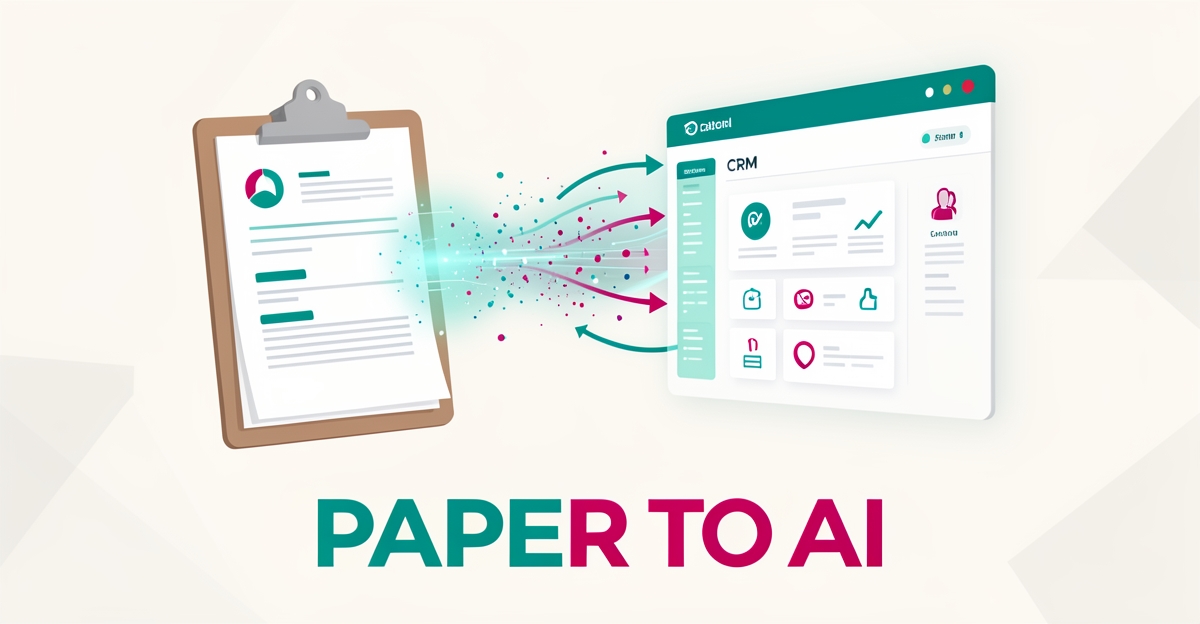
Why Most Trailer Dealerships Still Use Manual Customer Intake Forms (And How AI Fixes It)
Key Facts
- The vast majority of customers research trailers online before making a purchase according to industry research
- A majority of automotive dealerships report AI has positively impacted their operations in industry research
- AI and digital tool adoption among dealerships has been growing but uneven as of late 2026 per market analysis
- The semi-trailer dealership market is projected to grow steadily through 2034 according to forecasts
- Digital retail processes are now standard at a large share of automotive dealerships per industry insights
- Higher financing costs and rate volatility have deferred a meaningful share of deals in recent years in market data
- Fleet operators account for the largest share of demand as modernization accelerates per market research
Hire a team member that works 24/7 — for less than a part-time wage.
AI receptionists, SDRs, dispatchers and 99+ roles. Trained on your business, fully managed.
Not sure where to start? Ask our AI planner
The Research-to-Reality Gap at the Lot
The modern trailer buyer arrives on the lot already sold. They have spent hours comparing specs on YouTube, manufacturer sites, and AI summaries before they ever shake a salesperson’s hand, yet the intake process they meet is still paper, clipboard, and manual entry.
According to industry research, the overwhelming majority of customers research trailers online before making a purchase. That research creates clarity instead of curiosity. Buyers form opinions about service levels while they research, and they expect real-time quotes, digital trade-in valuations, and instant configuration when they arrive.
Dealerships are still catching up. Many remain tethered to manual, paper-based intake that requires physical presence and delays CRM entry. The result is a clear tension between how buyers research and how dealers sell. Value shifts from explaining what a trailer is to validating whether it is the right solution, a judgment call that requires immediate access to accurate data manual forms cannot provide.
Fragmentation makes the gap worse. Dealers are pulled toward multiple platforms that do not communicate with each other, creating silos instead of speed. Data collected online rarely flows seamlessly into the Dealership Management System or CRM, so intent captured during research is lost before a conversation starts.
AI adoption is growing but uneven. Market analysis shows a meaningful share of dealerships have adopted AI and digital tools to raise conversion and optimize service scheduling, though adoption remains uneven as of late 2026. In the broader automotive sector, industry research finds a majority of dealerships report that AI has positively impacted their operations.
The misalignment costs conversions in three practical ways:
- Friction at first touch: informed buyers face slow, manual data capture instead of digital immediacy
- Dirty CRM data: paper entry creates errors and delays that undermine targeting and follow-up
- Lost pre-arrival opportunity: quotes, deposits, and deal prep cannot happen before the customer arrives
This is where AI-powered intake changes the dynamic. Intelligent intake systems can collect, validate, and store data instantly, directly addressing fragmentation caused by non-communicating platforms. When intake is automated, CRM accuracy improves and sales teams can focus on high-value relationship building and judgment calls AI cannot replicate.
AIQ Labs builds intelligent intake and data systems as part of its [AI Workflow Builds](/workflow-builds) service — rebuilding the one workflow that costs you the most, at a fixed price, in phases. The goal is simple: turn the research-to-reality gap into a conversion advantage.
Fragmented Tech Stacks and the Cost of Manual Data Entry
The average trailer dealership operates like a digital archipelago, where islands of customer data remain isolated by incompatible software that refuses to communicate. This fragmentation forces sales teams to become glorified data entry clerks, manually shuttling information between systems that should work together seamlessly.
According to industry analysis from NATDA, many dealers are being pulled toward multiple platforms that don't communicate with each other, resulting not in efficiency but in fragmentation. When your website configurator can't talk to your CRM, and your CRM won't sync with your dealership management system, every customer interaction becomes a manual transcription exercise prone to human error and delay.
The cost extends beyond wasted hours. With AI adoption among dealerships still uneven as of late 2026, the majority still rely on fragmented workflows that create information silos. These silos slow down critical sales decisions, prevent real-time inventory matching, and force sales professionals to spend their days typing rather than selling.
The administrative burden manifests in several specific ways:
- Customer details entered into web forms never reach the CRM without manual re-typing
- Trade-in valuations calculated in one system must be recreated in another for financing
- Service histories remain trapped in departmental databases, invisible to sales teams
- Follow-up tasks fall through cracks between scheduling software and communication platforms
This technological disconnection directly undermines the industry's necessary evolution from product expert to trusted advisor. As industry observers note, the dealer's value has shifted from explaining specifications to validating solutions and providing judgment calls that AI cannot replicate. However, when salespeople spend their mornings reconciling disparate databases instead of preparing for customer consultations, they cannot fulfill this higher-value advisory role.
Clean, connected data has become a competitive weapon precisely because it remains rare. Dealerships that unify their intake processes gain immediate visibility into customer intent, enabling them to quote prices and secure deposits before buyers ever step onto the lot. Those still wrestling with fragmented tech stacks find themselves perpetually reactive, unable to leverage the rich research modern customers conduct online.
AIQ Labs addresses this fragmentation by building intelligent intake systems that integrate directly with existing CRM and dealership management software, eliminating the manual bridges between platforms. By automating data collection and validation at the point of entry, these systems ensure that customer information flows instantly into a single source of truth, freeing sales teams from administrative quicksand to focus on relationship building and complex problem-solving. For dealers who want a managed team handling intake, follow-up, and scheduling around the clock, [AI Employees](/ai-employees) cover 99+ roles at roughly 80% less cost than a human hire.
How AI-Powered Intake Collects, Validates, and Stores Data Instantly
Modern trailer buyers arrive at dealerships already armed with hours of online research, yet many are still greeted by paper forms that demand they repeat information they’ve already provided. This disconnect creates friction at the exact moment when dealers should be capitalizing on buyer intent. AI-powered intake systems solve this by acting as a real-time bridge between customer research and dealership operations, collecting, validating, and storing data the moment it’s submitted—whether online or in person. These systems integrate directly with existing CRM and DMS platforms, ensuring that every lead, specification, and preference flows instantly into a unified customer profile without manual re-entry.
By automating data capture and validation, AI intake eliminates the delays and errors inherent in paper-based processes, enabling dealers to generate accurate quotes, process deposits, and prepare deals before the customer even steps onto the lot. This shift allows sales teams to move beyond administrative tasks and focus on high-value interactions—validating solutions, building trust, and making judgment calls that only humans can provide. As noted in industry research, a majority of dealerships report that AI has positively impacted their operations, underscoring its role in transforming intake from a bottleneck into a strategic advantage. For trailer dealers navigating a market where most customers research trailers online before purchasing, intelligent intake isn’t just about efficiency—it’s about meeting the modern buyer where they are and turning intent into action with speed and precision. buyer behavior studies show that when intake is automated, dealers can respond to informed customers with the immediacy they expect. technology integration insights confirm that intake systems designed to work with existing dealership software keep data flowing securely into CRM and DMS platforms without disruption. This enables dealers to leverage AI not as a replacement for human expertise, but as a tool that amplifies it—freeing staff to focus on the nuanced, relationship-driven aspects of sales that technology cannot replicate. To explore how AI-powered intake can transform your customer acquisition process, start with a free strategy call to assess your current workflow and identify high-impact automation opportunities. Schedule your free 30-minute strategy call today.
From Paper Forms to Proactive Sales: A Practical Transition Plan
The path from paper forms to proactive sales begins with a clear assessment of where your dealership stands today. Many trailer businesses operate with disconnected systems—online lead forms that don’t sync with inventory, trade-in valuations done on clipboards, and F&I processes that require customers to wait while staff re-enter data. This fragmentation creates delays, errors, and missed opportunities, especially when most customers research trailers online before purchasing. A practical transition starts by auditing your current tech stack to identify silos and prioritize integration points that will unlock real-time data flow.
Once gaps are identified, the next steps follow industry best practices for modernization. Deploy online configurators that let buyers build specs and see real-time pricing, ensuring leads arrive pre-loaded with intent. Integrate AI assistants that pull from live DMS inventory to guide customers through needs analysis, quote accurately, and even secure deposits before they step onto the lot. Digitize trade-ins and F&I to provide transparent, connected valuations tied to the configured unit. Optimize your online presence for AI visibility by structuring content so LLMs can accurately recommend your dealership to researchers. Finally, adopt CRM and follow-up systems that use automated phone, email, and text sequences to nurture leads based on their digital footprint—turning intake into a proactive sales engine. These steps align with AIQ Labs’ phased approach, whether you Start Monthly with a single AI Employee, Build in Milestones department by department, or Own It Outright as a full [AI Operating System](/ai-operating-systems) — one connected operating layer you own outright. Each phase delivers measurable progress toward a unified, intelligent workflow that reduces manual entry, improves CRM accuracy, and lets your team focus on validation and relationship-building—the human elements AI can’t replicate.
Still paying for 10+ subscriptions that don’t talk to each other?
We build custom AI systems you own outright. No vendor lock-in. Full control.
Not sure where to start? Ask our AI planner
Frequently Asked Questions
Why do trailer dealerships still use paper intake forms if most buyers research online first?
How does AI-powered intake actually improve the sales process at a dealership?
What's the real cost of fragmented software and manual data entry for dealers?
Are most trailer dealerships actually adopting AI, or is it still rare?
Will AI replace my salespeople if we automate customer intake?
How do I start moving my dealership from paper forms to AI-driven intake?
Turn Research Into Revenue Before They Reach the Lot
The gap between how buyers research and how dealers sell is costing more than time — it’s costing conversions. With the vast majority of customers researching trailers online before they ever visit a lot, manual forms create friction at first touch, dirty CRM data, and lost pre-arrival opportunities for quotes and deposits. Fragmented tech stacks only make it worse, forcing sales teams into data entry instead of validation and relationship building. AI-powered intake closes that gap by collecting, validating, and storing data instantly and flowing it directly into your existing CRM or dealership management software. The result is cleaner data, faster decisions, and sales teams free to do the judgment work AI can’t replicate. Start by auditing your current intake flow for silos, then map where automated capture can move quote and deposit steps earlier. Ready to see what’s possible for your lot? Start the 2-minute Fit Check at [aiqlabs.ai/apply](/apply) for a free 30-minute strategy call to map your biggest bottleneck and high-ROI automation opportunities.
Make AI your competitive advantage — not just another tool.
Strategy, implementation and ongoing optimization. One partner, end to end.
Not sure where to start? Ask our AI planner