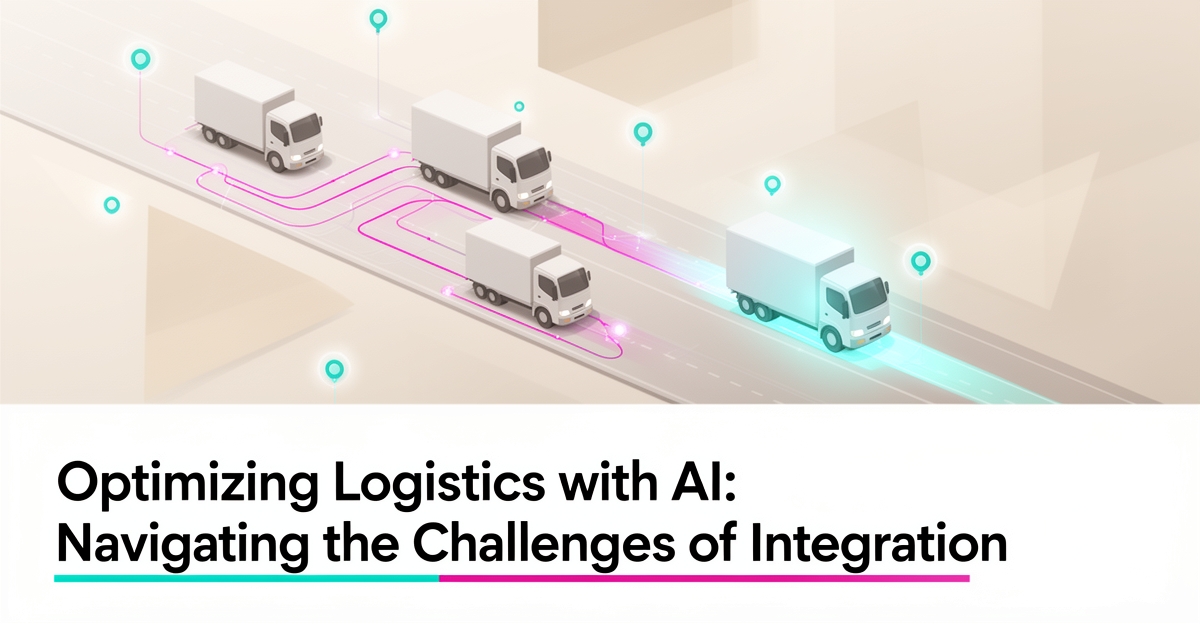
Why Most Truck Rental Companies Fail at AI Integration — And How to Avoid It
Key Facts
- Fleet analysis reports 15-25% fuel cost reductions via optimized routing and driver coaching in AI vs manual process comparisons
- Predictive maintenance is typically credited with 20-30% maintenance cost reductions in fleet management analysis
- AI-optimized routes are associated with 10-15% lower fuel consumption per industry comparisons
- AI dispatch comparisons report 20-35% fewer miles driven versus manual dispatch
- Some fleet research reports first-year ROI figures as high as 280% with 1-3 month break-even — results that depend heavily on data quality and adoption per industry comparisons
- Poor data quality, lack of staff training, and misaligned goals are the most common reasons AI pilots stall in truck rental
Hire a team member that works 24/7 — for less than a part-time wage.
AI receptionists, SDRs, dispatchers and 99+ roles. Trained on your business, fully managed.
Not sure where to start? Ask our AI planner
Introduction
Truck rental companies are chasing AI for fleet optimization, but the promise of lower costs and faster dispatch often stalls before it scales. The gap is rarely the technology itself — it is how the organization prepares for it.
AI can deliver measurable operational gains when it is adopted well. Fleet management analysis reports 15-25% reductions in fuel costs through optimized routing and driver behavior coaching, and 20-30% reductions in maintenance costs through predictive maintenance. Industry comparisons also report 10-15% lower fuel consumption through AI-optimized routes, with some operators citing strong first-year ROI and fast break-even.
Those returns depend on readiness, not just software. Most failures trace back to foundational issues that surface after deployment, when teams are expected to trust and act on algorithmic recommendations without clear support.
Common pitfalls that derail AI integration in truck rental include:
- Poor data quality that undermines routing, utilization, and predictive maintenance models
- Lack of staff training, leaving dispatchers and fleet managers unable to interpret or override AI decisions
- Misaligned goals between leadership targets and frontline operational realities
- Weak change management, so processes and culture do not evolve with the new system
Change management is crucial for successful AI adoption in truck rental companies. It involves preparing the organization for the changes that come with AI implementation, including training staff, updating processes, and addressing cultural implications. Without that preparation, even capable AI dispatch systems remain underused.
AIQ Labs approaches adoption as an operating problem, not a vendor install. Through [AI Workflow Builds](/workflow-builds), the team rebuilds the one workflow that costs the most — often dispatch or maintenance coordination — at a fixed price and in phases, so results are validated before scaling. For companies that want AI staff handling calls, follow-ups, and scheduling, [AI Employees](/ai-employees) provide managed AI staff across 99+ roles at roughly 80% less cost than a human hire.
The industry trend is clear. AI adoption across truck rental and fleet operations keeps accelerating, and the operators pulling ahead are the ones treating it as an operating model rather than a pilot.
Success requires a comprehensive approach to AI adoption, including change management and ongoing support and training. When those elements are in place, AI shifts from an experiment to an operating layer that improves efficiency, reduces costs, and enhances customer experience.
Key Concepts
Despite the clear benefits of AI in fleet management, many truck rental companies struggle to move beyond pilot projects. Research suggests AI can deliver strong first-year ROI and fast break-even in favorable conditions, but those gains remain unrealized when foundational barriers are overlooked. The gap between potential and performance often stems not from the technology itself, but from how organizations prepare for and manage the transition.
Common pitfalls include poor data quality, which undermines the accuracy of AI-driven routing and predictive maintenance systems; insufficient staff training, leading to low adoption and workarounds; and misaligned goals between leadership and operational teams. Without addressing these issues, even advanced AI tools fail to deliver consistent value. For example, AI-optimized routes can reduce fuel consumption by 10-15% and cut miles driven by 20-35%, but only if data inputs are reliable and drivers trust and follow the system's recommendations.
Successful AI integration requires more than deploying software — it demands a structured change management approach. This involves assessing readiness, involving employees early, providing role-specific training, and aligning incentives with new workflows. AIQ Labs supports this process by building systems that stick: phased [workflow builds](/workflow-builds) and, where the operation warrants it, a connected [AI Operating System](/ai-operating-systems) that the company owns outright. By treating AI adoption as a human-centered transformation rather than a technical upgrade, companies can unlock sustainable improvements in efficiency, cost savings, and service reliability.
Best Practices
Truck rental companies don't fail at AI because the technology is immature. They fail because adoption is treated as a software install instead of an operational change.
Successful integration starts with readiness, not rollout. Assess data quality, staff capabilities, and business goals before any model is built. Industry analysis consistently shows poor data quality, lack of staff training, and misaligned goals are the common blockers that stall pilots.
Change management is the bridge between potential and performance. It means preparing the organization for new workflows, training drivers and dispatchers on AI-assisted decisions, and updating processes to match algorithmic optimization. Without it, even high-ROI tools sit unused.
Data foundations determine ROI. Clean, connected telematics and rental history enable the 15-25% reduction in fuel costs through optimized routing and driver behavior coaching reported by fleet management analysis. The same source notes 20-30% reductions in maintenance costs through predictive maintenance.
Route and dispatch improvements compound quickly. Fleet research documents 10-15% lower fuel consumption through AI-optimized routes, and dispatch comparisons add 20-35% fewer miles driven versus manual dispatch. Real-world payback varies — treat vendor ROI figures as a ceiling, not a promise.
Build adoption into the operating model with practical steps:
- Assess readiness for AI adoption across data, systems, and people
- Develop a customized implementation plan with clear milestones and owners
- Provide ongoing support and training tailored to dispatchers, drivers, and managers
- Monitor and evaluate effectiveness with fuel, maintenance, and utilization KPIs
Staff training should focus on human-AI collaboration, not replacement. Drivers and dispatchers need to understand how recommendations are made, when to override, and how feedback improves the system. This builds trust and prevents the cultural resistance that kills pilots.
Governance and alignment keep projects on track. Define success metrics up front, align leadership on goals, and establish a feedback loop between operations and the AI team. Change management and ongoing support are cited as essential for smooth adoption in truck rental operations.
AIQ Labs works with SMB fleet operators to structure this work end-to-end, from readiness assessment through adoption and scaling. The approach emphasizes phased, milestone-based builds and continuous training rather than point solutions — see the current [pricing models](/pricing) for how engagements are structured.
When change is managed deliberately, AI moves from pilot to permanent capability and delivers sustained efficiency gains.
Implementation
Most truck rental companies fail at AI integration because they treat it as a technology purchase rather than an organizational transformation. Success requires deliberate change management that addresses people, processes, and data quality simultaneously.
Start by auditing your data infrastructure. Poor data quality undermines AI systems before they launch, so cleanse and standardize your fleet records, maintenance logs, and customer information first. According to fleet management research, companies that optimize routing and driver behavior through AI see 15-25% reductions in fuel costs, but only when the underlying data is accurate and accessible.
Next, align your team around specific, measurable goals. Misaligned objectives between dispatchers, fleet managers, and executives create resistance that stalls adoption. Define what success looks like — whether that's cutting fuel spend, reducing manual dispatch errors, or improving utilization — and communicate these targets clearly across departments.
Training represents the most critical implementation phase. Staff need hands-on experience with AI tools before go-live, not just documentation. Address fears about job displacement directly by emphasizing how AI augments human judgment rather than replacing it. As industry experts note, AI is a powerful tool, but how it is deployed and used matters immensely.
- Conduct a data quality audit and cleanse legacy records
- Define specific KPIs aligned with business objectives
- Provide role-specific training before system launch
- Establish feedback loops for continuous improvement
- Partner with experienced builders for change management
AIQ Labs structures implementations through phased rollouts that minimize operational disruption. A [workflow build](/workflow-builds) starts with a short discovery to assess readiness, followed by milestone-based development that lets companies validate results before scaling. This methodical pacing helps teams adapt to AI-optimized dispatch, which can reduce miles driven by 20-35% compared to manual methods.
Monitor performance metrics weekly during the first ninety days. Track fuel consumption, maintenance costs, and driver satisfaction to identify adjustment needs early. With clean data and proper adoption support, operators typically reach break-even within the first few months — transforming AI from a risky investment into a competitive advantage.
Conclusion
The path to successful AI integration in truck rental isn't about the technology alone — it's about people, processes, and preparation. Companies that overlook change management often find their AI initiatives stalled, despite promising pilots and clear ROI projections. Sustainable adoption requires aligning teams, updating workflows, and building organizational readiness from the ground up.
AIQ Labs supports this journey through builds that address the human side of AI implementation. The approach includes assessing organizational readiness, designing phased rollout plans, and providing ongoing training and support to ensure staff confidence and proficiency. This structured methodology helps truck rental companies move beyond isolated pilots to a connected [AI Operating System](/ai-operating-systems) they own outright.
Key steps for avoiding common pitfalls include conducting thorough data quality assessments, investing in role-specific training programs, and establishing clear success metrics tied to business objectives. Regular feedback loops and adaptive planning allow organizations to refine their approach as they learn what works in their unique operational context. By treating AI adoption as a continuous improvement process rather than a one-time project, truck rental companies can unlock lasting value.
The evidence shows that when AI implementation is paired with disciplined change management, the results compound. Fleet analysis reports 15-25% reductions in fuel costs and 20-30% lower maintenance expenses through AI-driven optimization — achievable when technology deployment is matched with workforce enablement and process alignment.
For truck rental leaders ready to move beyond experimentation, the next step is a strategic assessment of current capabilities and readiness. AIQ Labs offers a free strategy call to help identify high-impact automation opportunities and map a realistic path forward. This no-obligation session focuses on your specific bottlenecks and goals — whether that's optimizing dispatch, reducing idle time, or improving vehicle utilization.
To begin, start the 2-minute Fit Check. From there, schedule your free 30-minute strategy call to discuss your unique challenges and opportunities. The journey to AI maturity starts with clarity — and the right partner to guide each phase.
Still paying for 10+ subscriptions that don’t talk to each other?
We build custom AI systems you own outright. No vendor lock-in. Full control.
Not sure where to start? Ask our AI planner
Frequently Asked Questions
Why do truck rental companies fail at AI even when the tech works?
How much can AI actually save on fuel and maintenance for a rental fleet?
What ROI and payback should we expect from AI dispatch?
Will AI replace dispatchers and drivers?
Do we need perfect data before starting AI?
What's the first practical step to avoid a failed pilot?
From Pilot to Profit: The Real Key to AI Success in Truck Rental
The promise of AI in truck rental is real — 15-25% lower fuel costs and 20-30% reduced maintenance expenses are within reach — but only when adoption is treated as a transformation, not a technology install. The most common reasons for failure aren't flaws in the AI itself, but overlooked fundamentals: dirty data, undertrained teams, and misaligned goals between leadership and frontline operations. Success comes from preparing people, refining processes, and building trust in the system before scaling. AIQ Labs helps truck rental companies navigate this shift with phased workflow builds and managed AI employees — assessing readiness, designing rollouts, and providing ongoing support so AI becomes a sustainable part of operations, not another shelfware experiment. If you're ready to move beyond pilots and start seeing measurable gains, begin with a free strategy call to uncover your highest-impact opportunities. Schedule your 30-minute strategy call today and take the first step toward AI that works for your fleet — not against it.
Make AI your competitive advantage — not just another tool.
Strategy, implementation and ongoing optimization. One partner, end to end.
Not sure where to start? Ask our AI planner